


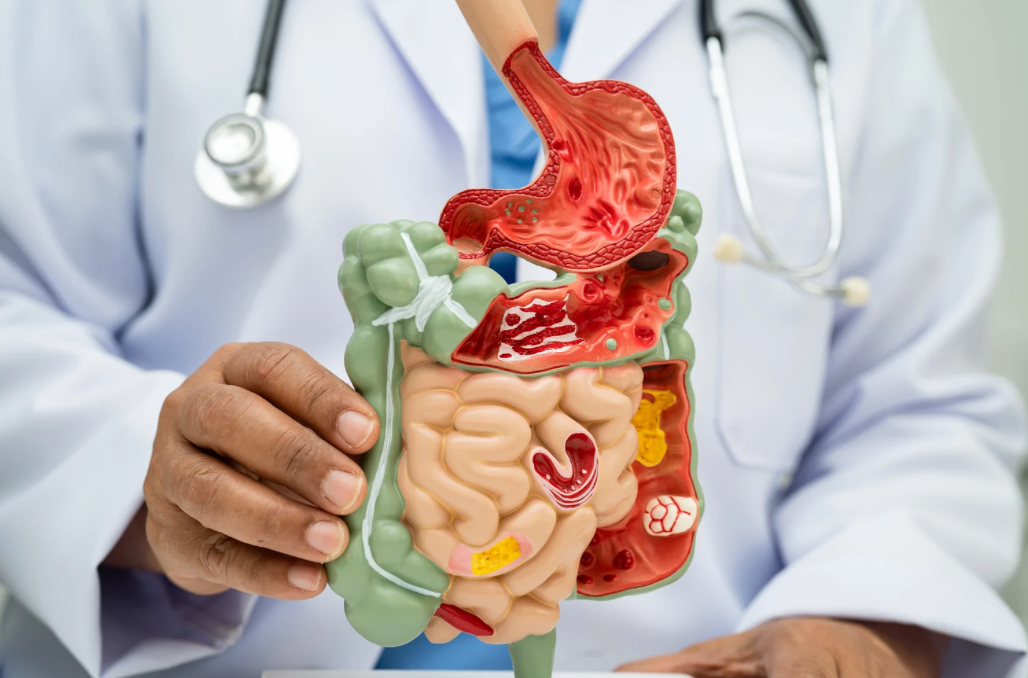
Gastrointestinal Involvement in Parkinson Disease and Its Impact on Levodopa Efficacy
July 11, 2025
 LeahJS
Recent research highlights that gastrointestinal (GI) problems are common in people with Parkinson’s disease (PD) and can interfere with how well oral medications like levodopa work. These issues may contribute to motor fluctuations or sudden "OFF" periods when symptoms return between doses.
⏳ Delayed Digestion & Infections Matter
Conditions such as delayed gastric emptying (gastroparesis) and Helicobacter pylori infection have been linked to symptoms like nausea, bloating, and gastritis. These GI disturbances may delay how quickly the body absorbs levodopa, leading to inconsistent treatment effects.
🗣️ Expert Insights from ATMRD 2025
At the 4th Annual Advanced Therapeutics in Movement and Related Disorders (ATMRD) Congress, a panel sponsored by Merz Therapeutics focused on how GI dysfunction can affect the predictability of oral carbidopa/levodopa therapy. Experts Dr. Ramsey Falconer and Dr. Laren Becker discussed practical strategies, including on-demand therapies, to better manage OFF episodes.
🧬 The Gut-Brain Connection in PD
Dr. Becker emphasized that dopaminergic enzymes are found in both the brain and the gut, making levodopa treatment more complex when the GI system is affected. He also explained how swallowing difficulties, slowed digestion, and constipation often progress in PD, reinforcing the need for a whole-body approach to care that includes digestive health.
🌱 A New Direction in PD Care
These findings are encouraging a shift in treatment thinking—one that looks beyond the brain to consider the gut’s role in medication response and overall quality of life. As research continues, comprehensive care plans that address GI health may offer more stability and relief for people living with Parkinson’s disease.
Comments (0)
Loading comments...