


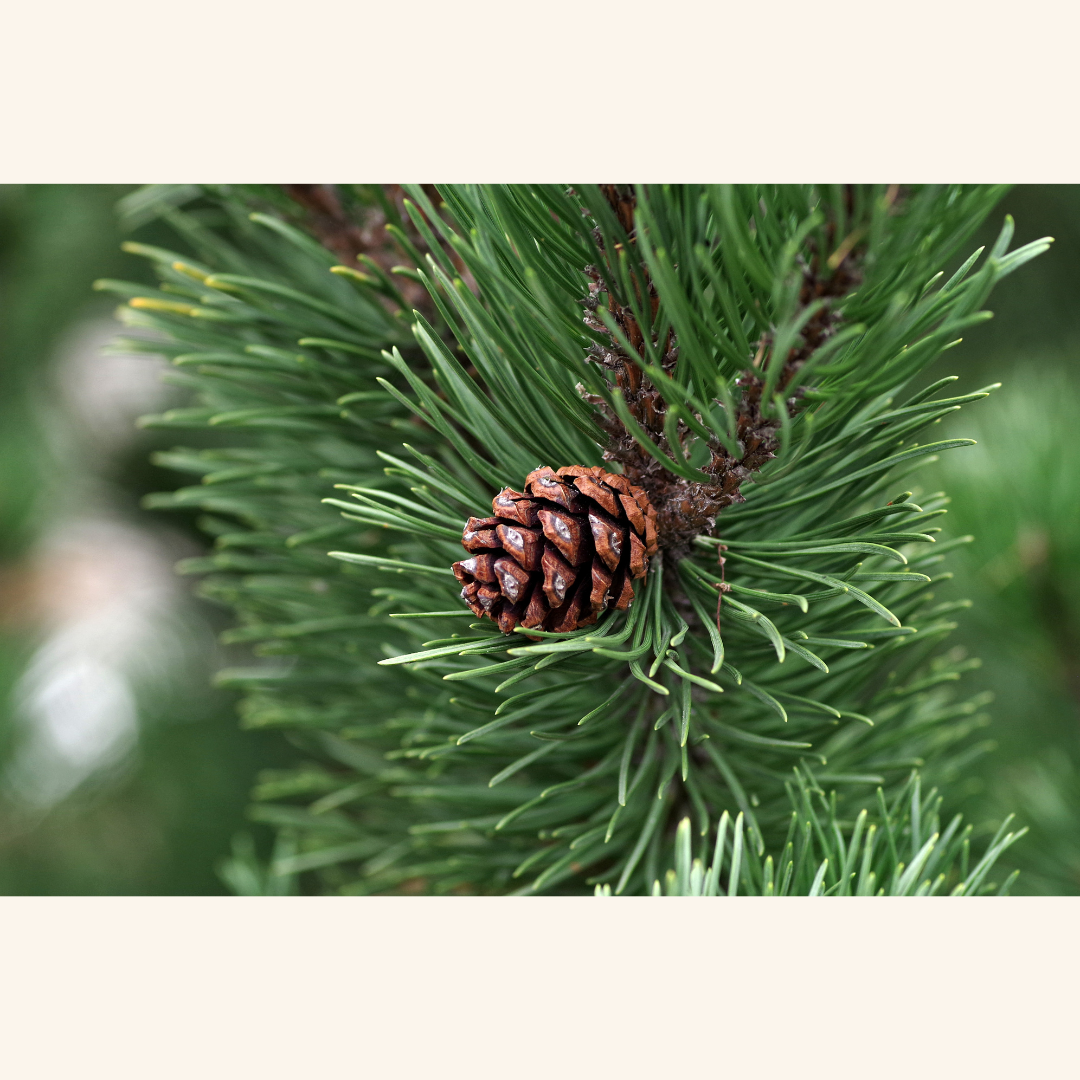
Can a Pine-Scented Molecule Help Protect the Brain from Parkinson’s?
September 8, 2025
Recent laboratory research has spotlighted alpha-pinene, a fragrant compound found in pine trees and commonly present in essential oils, as possessing noteworthy neuroprotective properties—especially related to Parkinson’s disease.
What Did the Study Reveal?
Scientists discovered that alpha-pinene appears to shield brain cells from stress, particularly by acting on the endoplasmic reticulum (ER), a critical factory inside our cells where proteins are made and processed. In Parkinson’s, ER stress is thought to play a harmful role by triggering distorted protein buildup—a hallmark of the disease. Although the study details were limited, it concluded that alpha-pinene could ease ER stress and help cells stay healthier under pressure.
Why This Could Matter for Parkinson’s
Parkinson’s disease often stems from a mix of genetic factors and environmental stressors—but many of the damaging pathways converge on how brain cells handle proteins. If alpha-pinene can ease ER stress, it may slow or reduce damage in the dopamine-producing neurons most central to movement and cognitive control.
This isn’t a miracle cure—but it is an intriguing beginning. If alpha-pinene can be shown consistently to protect neurons in more advanced lab and animal models, it might become part of a future strategy to delay onset or progression of Parkinson’s.
What We Don’t Yet Know
This finding is early-stage—meaning it was tested in petri dishes or similar experimental setups, not yet in living animals or humans. We still need to learn safety levels, effective dosages, and whether alpha-pinene can reach the brain in enough quantity to actually work. And of course, there’s no evidence yet that using pine-scented oils or supplements will offer any protection—so don’t swap your medication for essential oils just yet.
Comments (0)
Loading comments...