


When people with Parkinson's typically start device-aided therapies
August 19, 2026
 Beatrice
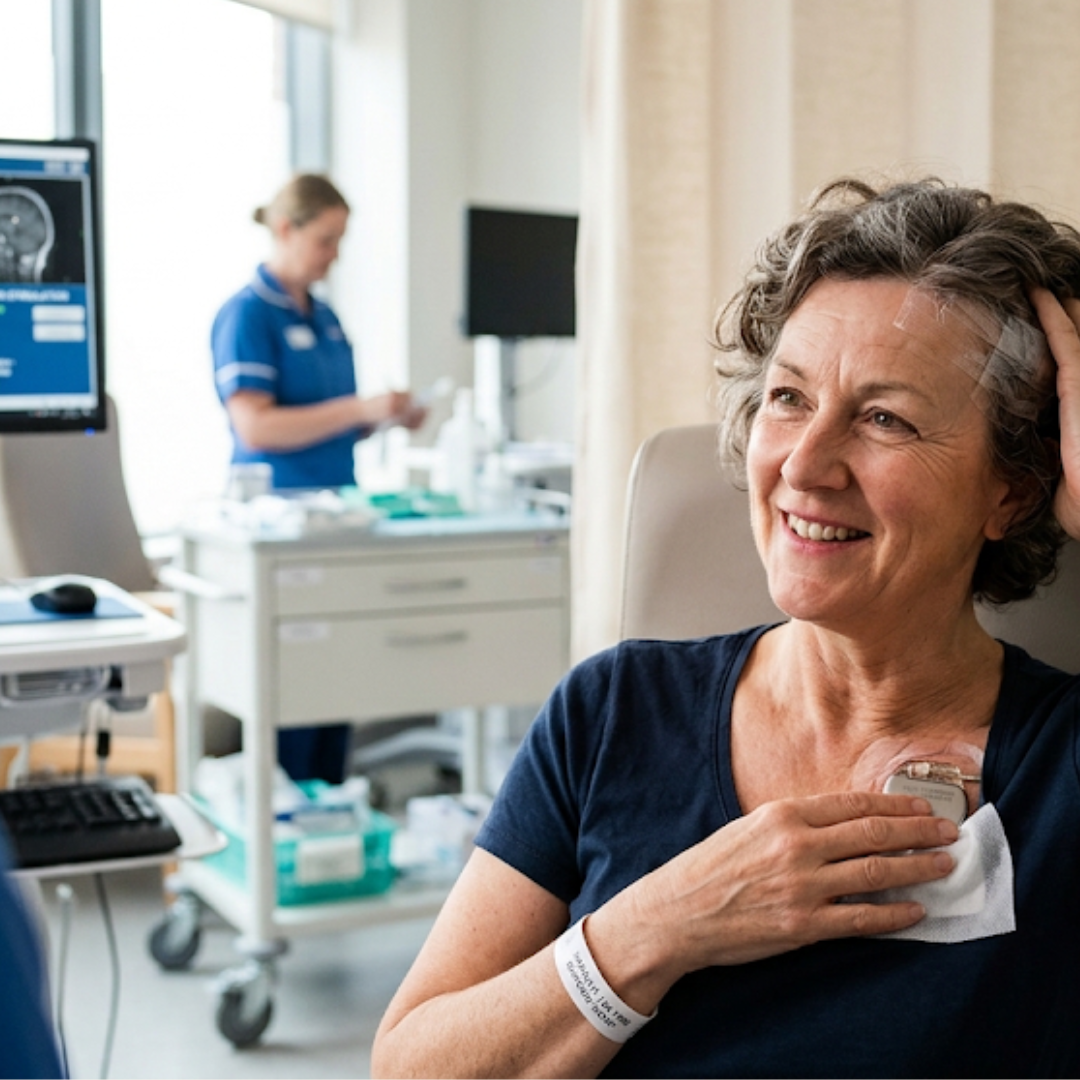
When oral tablets stop providing steady control, people with Parkinson's often experience unpredictable motor fluctuations, including rapid wearing-off and involuntary movements known as dyskinesia. At this stage, clinical teams evaluate device-aided therapies. These advanced treatments bypass the digestive system to deliver continuous symptom management, primarily through deep brain stimulation (fine electrodes implanted in the brain powered by an internal pulse generator) or continuous pump infusions (medications delivered steadily through a tube into the skin or intestine).
To determine the typical timeline and drivers for these treatments, Dr David Ledingham and researchers at Newcastle University analysed data from 1,454 participants in the international Parkinson's Progression Markers Initiative.
The findings establish clear milestones for when device-aided therapies are introduced in typical, sporadic Parkinson's:
Five years post-diagnosis: 2.5 per cent of individuals had initiated a device.
Eight and a half years post-diagnosis: 10 per cent of individuals had transitioned to a device.
Ten years post-diagnosis: 15.3 per cent of individuals had started a device.
Treatment selection: Deep brain stimulation accounted for 87.8 per cent of all device procedures recorded.
The study identified four distinct factors that significantly accelerate the transition to advanced devices:
Age at onset: Younger age at diagnosis strongly correlated with earlier device initiation.
Symptom profile: Severe resting tremors and early balance or postural instability prompted earlier intervention.
Genetics: Individuals carrying specific genetic variants, including LRRK2 and GBA mutations, reached the threshold for device therapies faster than those with sporadic forms.
Biological markers: Every sporadic participant who received a device tested positive at baseline for abnormal alpha-synuclein seed amplification in their cerebrospinal fluid. None of the participants who tested negative required a device during the study follow-up.
Comments (0)
Loading comments...