


A Breath of Trouble: Could Air Pollution Increase Parkinson’s Risk?
August 27, 2025
 mister green
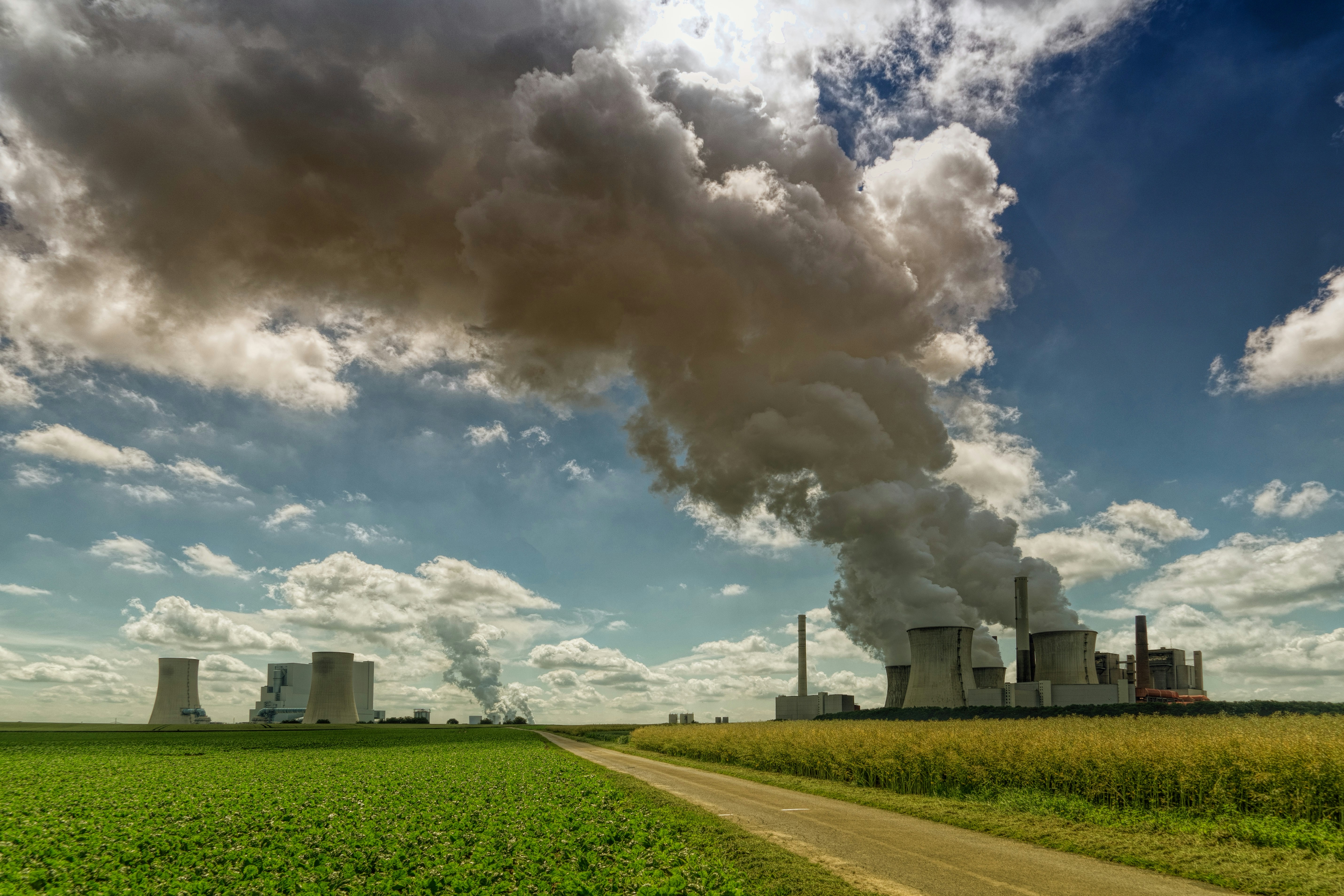
We all know that the air we breathe matters for our lungs and our hearts. But a new study suggests that long-term exposure to polluted air could also play a role in increasing the risk of Parkinson’s disease. This research, carried out in Taiwan and published in The Journal of Neurology, Neurosurgery & Psychiatry in July 2025, is one of the largest studies of its kind and adds weight to concerns that pollution may be affecting our brains as well as our bodies.
Parkinson’s is already recognised as a complex condition influenced by many factors, from age and genetics to the environment we live in. One theory is that the disease may actually begin outside the brain, in areas like the nose or gut, and then travel into the nervous system. Since these parts of the body are in constant contact with what we breathe in, scientists have long wondered whether air pollution could be a trigger.
To investigate this, researchers tracked more than five million people in Taiwan who were free of neurodegenerative diseases at the start. Over an average of eleven years, they identified just over twenty thousand new cases of Parkinson’s. They then compared people’s risk of the disease with their estimated exposure to six common air pollutants: fine particles (PM₂.₅ and PM₁₀), nitrogen dioxide, sulphur dioxide, carbon monoxide and ozone. Exposure levels were not measured individually but estimated using data from a national network of air monitoring stations, mapped with impressive precision to people’s neighbourhoods.
The results were striking. People who lived in areas with higher levels of fine particles, nitrogen dioxide and sulphur dioxide had a noticeably greater risk of developing Parkinson’s over time. The link with fine particles was particularly strong. Ozone, often thought of as a cleaner gas in the upper atmosphere, also showed a connection once the researchers adjusted for other pollutants. Even when all six pollutants were considered together, the increased risk did not disappear, suggesting that the findings are not just coincidence.
Of course, like any study of this type, there are limits. The researchers had to rely on medical records and prescriptions to identify cases, which may not capture everyone with Parkinson’s. They also worked with estimates of pollution exposure, rather than following people with personal air quality monitors. And while the team adjusted for other important factors like age, sex, and common health conditions such as diabetes and high blood pressure, there may still be hidden influences that were not accounted for.
Even with these caveats, the study is a powerful reminder of how closely our environment and our health are linked. We already know that cleaner air saves lives by reducing heart disease, asthma and other respiratory problems. Now, it seems increasingly possible that it might also help protect the brain and lower the risk of conditions like Parkinson’s.
For people living with Parkinson’s, this does not mean pollution caused the disease, nor that avoiding polluted areas will change its course. But it does underline the importance of clean air policies—not just as an environmental issue, but as a matter of public health and neurological wellbeing. On a personal level, small steps like avoiding busy roads during peak traffic, using air filters at home, or spending more time in green spaces may make a difference to overall health, even if they cannot prevent Parkinson’s directly.
The Taiwanese study adds another piece to a growing puzzle. Scientists will need to keep digging to understand exactly how pollutants might harm brain cells or influence the spread of abnormal proteins linked to Parkinson’s. For now, the message is clear: the quality of the air we breathe could be more important for our brains than we ever imagined.
Comments (0)
Loading comments...