


What the World’s Largest Parkinson’s Study Tells Us
September 20, 2025
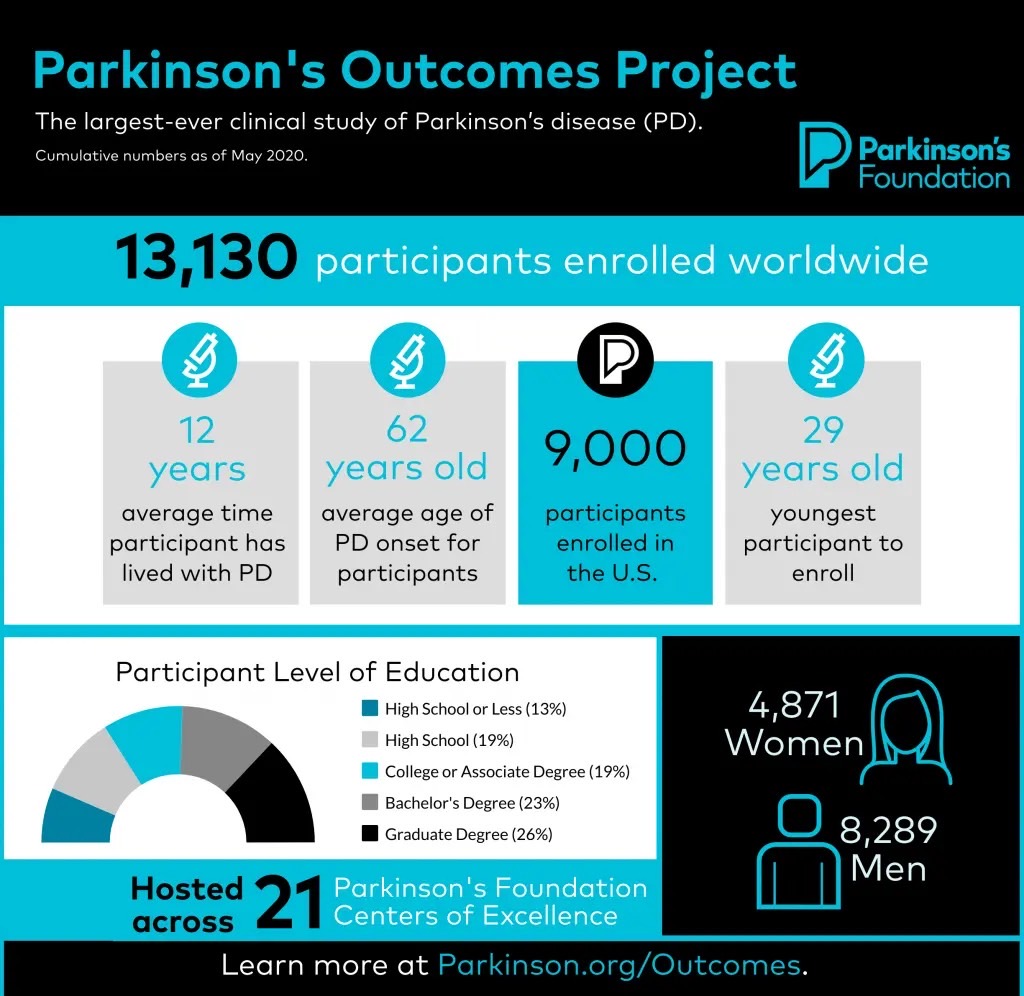
The Parkinson’s Outcomes Project is one of the largest long term studies of Parkinson’s in the world. It began in 2009 and has followed more than thirteen thousand people across several countries. The aim is simple and practical. Instead of focusing only on lab results, it asks what really helps people live better with Parkinson’s in everyday life. The study tracks people at every stage of the condition, from the newly diagnosed to those who have lived with it for decades, and records their treatments, symptoms, routines and quality of life over time.
What makes this project stand out is its focus on what works in real clinics. It looks at medicines, surgery, therapy and exercise, and it does so across many centres so it can tell the difference between general truths and local habits. It pays close attention to mental health and to the role of care partners. It also looks at how often people see specialists and how that affects outcomes. By collecting the same measures year after year, the project can spot patterns that short studies often miss.
Several clear messages come through. Regular care from a neurologist is linked with better outcomes and even with lower risk of death. Access to specialist care matters. People with similar symptoms can do very differently depending on the plan they follow and the place where they are treated. This suggests that the system around the person is as important as the person’s biology. Good care is not just about a prescription. It is about a joined up approach that includes movement, mood and social support.
Exercise is a consistent winner. People who manage at least two and a half hours of physical activity a week tend to maintain a better quality of life for longer. The benefit shows up across ages and stages. The type of exercise can vary. Walking, cycling, dance and strength work can all help. The key is regularity. The data add weight to the idea that exercise may have a protective effect on the nervous system and not just a short term effect on stiffness or balance.
Mood matters as much as movement. Depression and anxiety show a strong link to how well people live with Parkinson’s. When mood is treated with the same seriousness as motor symptoms, people do better. That can mean counselling, medication, peer support or a mix of these. The point is that mental health is not a side issue. It is central to day to day function, to energy and to the motivation needed to keep up with exercise and therapy.
Care partners are another pillar. The study shows that support from spouses, family and friends has a real impact on outcomes. People do better when their care partners are informed, supported and included in the plan. Training and respite can prevent burnout and help the whole household cope. This is not just a soft factor. It is part of the treatment.
The project also exposes gaps. People in some regions or clinics receive more consistent specialist care, better access to therapy and clearer exercise guidance. Others do not. The result is unequal outcomes that are not explained by the condition alone. This is uncomfortable but useful, because it points to specific changes that health systems can make. More specialist appointments, easier access to physiotherapy and occupational therapy, and clear exercise prescriptions are all practical steps.
For someone living with Parkinson’s the message is hopeful and concrete. See a specialist regularly. Move your body most days and aim for at least two and a half hours of activity a week. Treat mood with the same attention you give to movement. Involve your partner or close friend and give them the tools they need. These actions do not cure Parkinson’s, but the evidence says they can slow the decline in quality of life and even affect survival.
For clinicians and planners the message is equally clear. Standardised measures, routine screening for depression and anxiety, exercise advice that is specific and realistic, and regular specialist follow up should be built into care. When these pieces are in place, people do better. The Parkinson’s Outcomes Project turns thousands of lived experiences into a guide for everyday practice. It shows that what we do now, consistently and together, can change the path of the condition in ways that matter.
Comments (0)
Loading comments...