


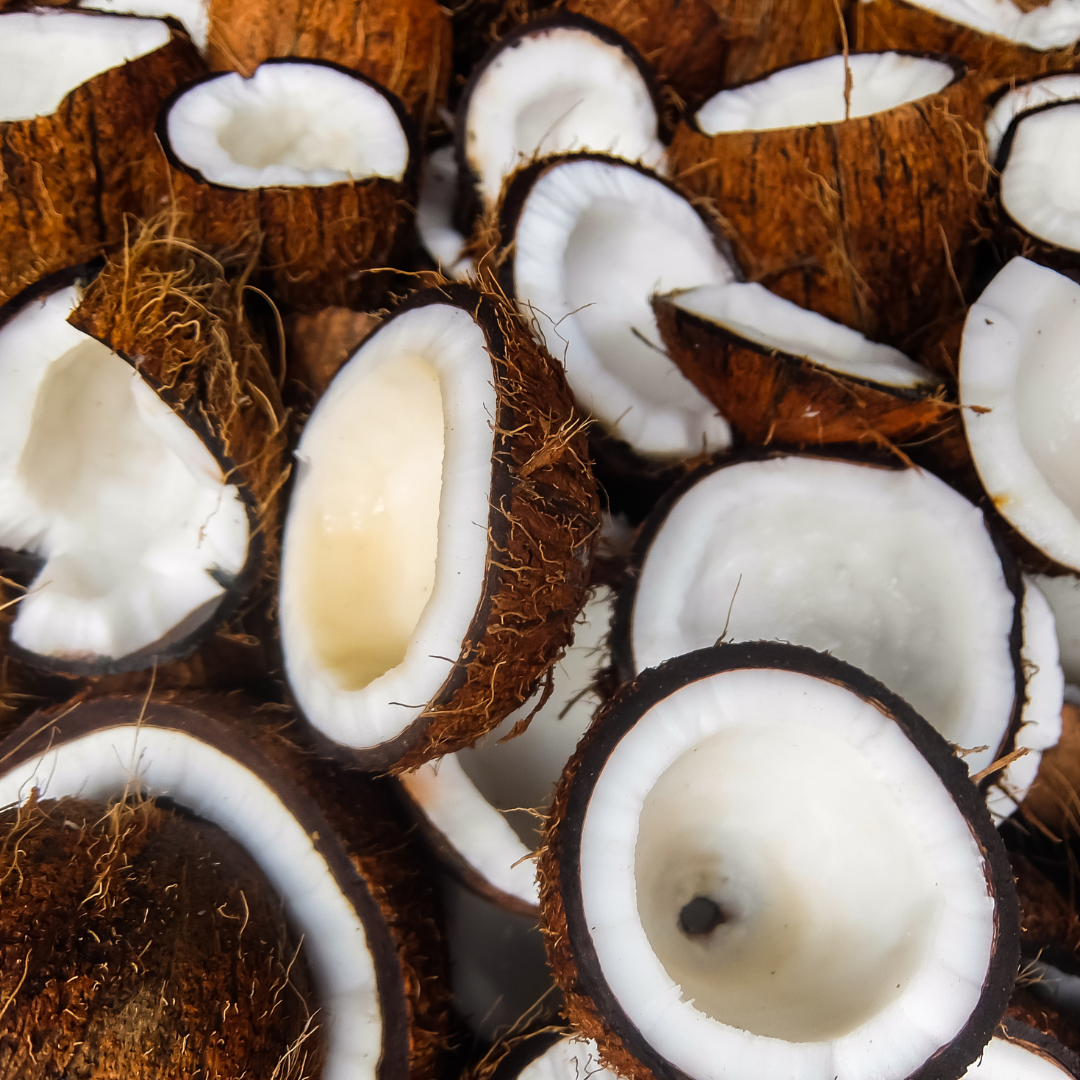
Coconut products and supplements may offer promising neuroprotective benefits for managing Parkinson's
May 22, 2026
A recent scientific review published in Current Nutrition Reports has highlighted the potential role of coconut-derived nutritional supplements as a supportive strategy for managing Parkinson's. The research focuses on how the natural components of coconut can influence the risk and progression of the condition by targetting key cellular challenges, specifically oxidative stress and mitochondrial dysfunction.
At a cellular level, Parkinson's involves the loss of dopamine-producing neurons, which is closely linked to damage within the mitochondria—the energy producers of our cells—and an increase in oxidative stress. Because standard treatments focus primarily on managing symptoms, researchers are increasingly looking toward nutritional approaches to find natural ways to protect these vital brain cells.
The review notes that various elements of the coconut, including the oil, milk, water, and kernel, are naturally packed with unique fatty acids, antioxidants, essential vitamins, and minerals. When digested, certain elements like coconut oil break down into medium-chain fatty acids and ketone bodies. These molecules are unique because they can easily cross the blood-brain barrier, providing an alternative and highly efficient energy source for struggling brain cells. This boost to mitochondrial function helps the cells maintain their energy levels and basic functions.
Beyond providing energy, the antioxidants and vitamins found in coconut products—such as vitamins C and E found in mature coconut water—act as a shield against oxidative stress. They neutralise unstable molecules that damage cellular structures, effectively reducing inflammation and preventing further neuronal harm. Interestingly, data from population studies also point to an inverse correlation between regular coconut consumption and the prevalence of the condition, suggesting that these dietary components might offer a natural layer of protection.
While these findings present an exciting perspective on how simple dietary additions might support brain health, scientists emphasise that more work is needed. The current evidence provides a strong foundation, but larger, targeted clinical trials are necessary to fully confirm the effectiveness of coconut-based supplements and precisely map how they shield the nervous system. Integrating these natural options could represent a promising, accessible tool for long-term health management.
Comments (0)
Loading comments...