


Deep sleep and healthy blood vessels protect movement and memory in Parkinson's
November 3, 2026
 Beatrice
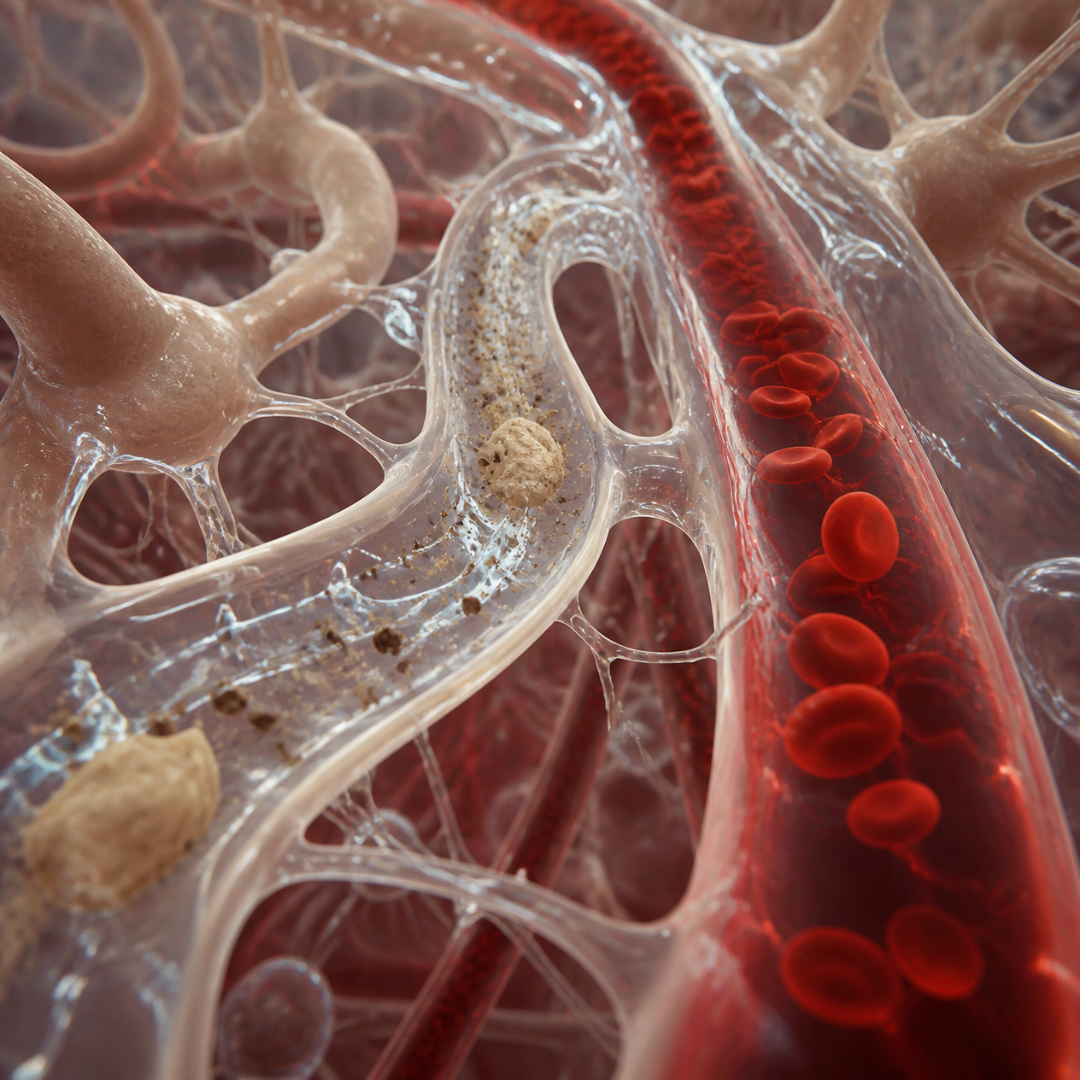
Getting a good night of deep sleep and looking after your heart and blood vessels might be two of the most practical ways to protect movement and memory. Every night while you rest, your brain switches on an internal cleaning system. Clear fluid washes through tiny channels alongside your blood vessels to flush out cellular rubbish and sticky proteins. When this natural plumbing slows down, toxic proteins build up and wear down the cells that produce dopamine, creating a cycle that worsens physical stiffness and memory.
To understand how this works, a 2026 study examined 207 people who had been diagnosed with the condition for an average of 18 months and were not yet taking medication. Instead of using painful spinal injections to check brain fluid, researchers used a painless magnetic resonance imaging technique to track how water naturally flows along brain blood vessels. They combined these scans with dopamine imaging and physical and cognitive assessments.
The results showed that a sluggish waste clearance system directly impacts movement and thinking, while also working indirectly by speeding up dopamine loss in key brain regions. The most striking discovery emerged when participants were grouped by their dopamine levels and plumbing efficiency. In individuals who still had relatively high levels of dopamine, a slow drainage system had little impact on daily symptoms.
However, for those whose dopamine levels had dropped severely, the health of their brain plumbing made a massive difference. People with low dopamine who maintained strong fluid flow tolerated the loss remarkably well, using their efficient cleaning system as a natural buffer to protect against severe symptoms. Conversely, those with both low dopamine and poor fluid clearance struggled significantly more.
While these scans offer an indirect measure and further research is still needed, the practical takeaway is clear. Taking care of your blood vessels, staying active, and prioritising deep sleep help support the natural fluid pump in the brain, giving you a powerful everyday tool to stay resilient.
Comments (0)
Loading comments...