


Can a High-Fat Diet Help Stem Cells Survive in the Parkinson’s Brain?
February 11, 2026
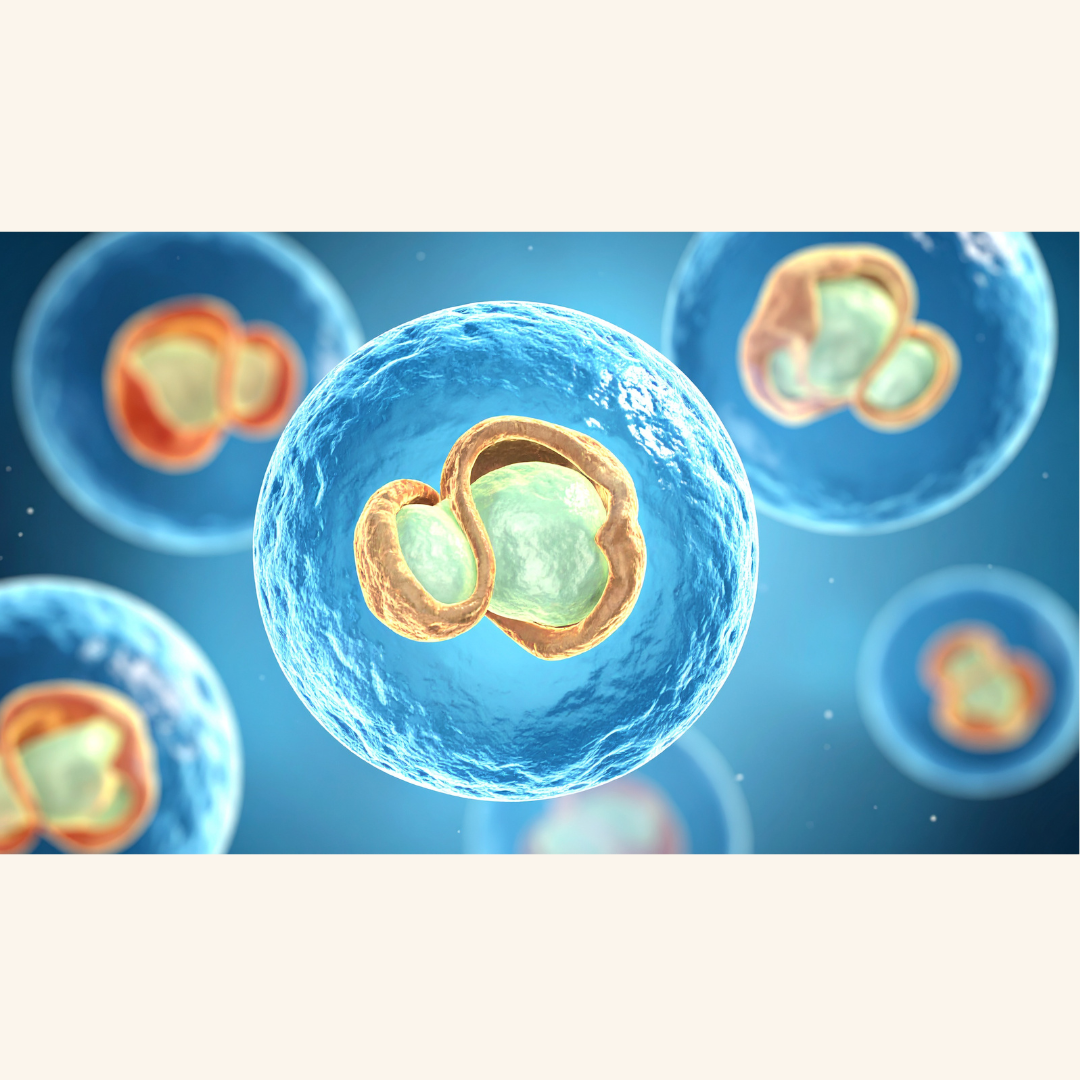
For years, the Parkinson’s community has pinned its hopes on stem cell therapy. The concept sounds perfect on paper, as scientists take new, healthy cells and plant them in the brain to replace the dopamine-producing neurons that have been lost. It is the closest thing to a "cure" we can imagine. However, the reality in clinical trials has often been frustratingly different. The problem is not necessarily the seeds we are planting, but the soil we are planting them in.
A fascinating new narrative review published in the journal Cureus suggests that the key to making stem cell therapy work might lie in the kitchen. The researchers propose that pairing the procedure with a Ketogenic diet could create the perfect biological environment for these new cells to survive and thrive.
The challenge with stem cell transplants has always been survival. When you introduce fresh young cells into a brain affected by Parkinson’s, you are dropping them into a hostile environment. The brain is often inflamed, riddled with oxidative stress, and struggling with energy failure. It is akin to planting a delicate orchid in a dry, scorching desert; no matter how good the seed is, it struggles to take root.
This is where the Ketogenic diet comes in. By drastically reducing carbohydrates and increasing healthy fats, the diet forces the body to switch its fuel source from glucose to ketones. The review highlights that ketones are not just a backup battery but a cleaner, more efficient fuel for the brain. They act like a fire extinguisher for inflammation.
The researchers argue that if a person adopts a Ketogenic lifestyle before and during stem cell therapy, the diet could act as a "pre-conditioning" treatment. The ketones would calm the neuroinflammation and boost the energy supply in the mitochondria, effectively turning that hostile desert into fertile soil. When the stem cells are finally transplanted, they would land in a cooler, calmer, and more energy-rich environment, giving them a significantly higher chance of connecting with existing neurons and restoring movement.
While this combination is still in the theoretical and early testing stages, the logic is compelling. It moves us away from the idea of a single "magic bullet" cure and towards a sophisticated, multi-pronged strategy. It suggests that in the future, the surgeon might do the transplant, but the diet will ensure it works.
Comments (0)
Loading comments...