


New Imaging Technology Aims to Advance Parkinson’s Research
May 12, 2025
 LeahJS
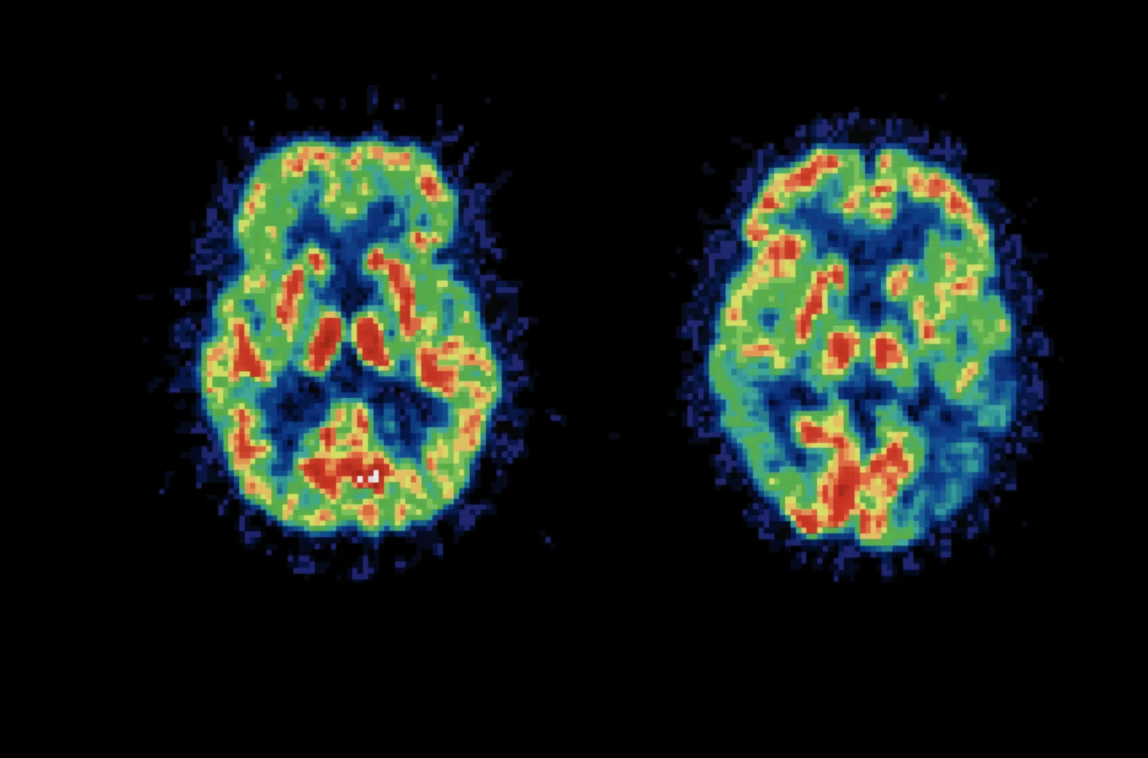
Xingimaging, a neuroimaging company, has announced the release of the NX PET Camera, a new tool designed to support research into Parkinson’s disease by offering advanced brain imaging capabilities. The camera is intended to improve how scientists detect and monitor changes in the brain that are linked to the disease.
Supporting Early Detection and Better Treatment
The NX PET Camera uses artificial intelligence (AI) and cutting-edge imaging technology to help researchers:
Detect early changes in the brain
Track how Parkinson’s disease progresses
Monitor how individuals respond to treatments
According to Gilles Tamagnan, CEO of Xingimaging, early and accurate identification of changes in the brain is crucial to understanding Parkinson’s disease and developing better treatments. The company believes the NX PET Camera offers the next generation of tools to support this mission.
A New Research Hub in the U.S.
Earlier this year, Xingimaging opened a state-of-the-art research facility in Connecticut. This center includes a clinic where people can participate in research studies, helping scientists gather important information in real time.
How PET Imaging Helps in Parkinson’s
Parkinson’s disease is linked to the loss of brain cells that produce dopamine, a chemical that helps control movement. While the exact causes of Parkinson’s remain unclear, researchers use positron emission tomography (PET) scans to:
Monitor dopamine activity in the brain
Detect proteins like alpha-synuclein, which can build up and damage brain cells
The NX PET Camera is designed to deliver highly detailed images and uses machine learning to improve the clarity and accuracy of scan results. It also aims to be noninvasive and more comfortable for those undergoing scans.
Backed by the Michael J. Fox Foundation
The Michael J. Fox Foundation for Parkinson’s Research (MJFF) has supported the development of the NX PET Camera. According to Jamie Eberling, PhD, a senior vice president at MJFF, recent progress in imaging and tracer development has brought researchers closer to being able to see brain changes clearly and accurately in people living with Parkinson’s.
Hope for the Future
Advances like the NX PET Camera offer hope for more precise diagnosis and improved treatment tracking in Parkinson’s disease. As imaging tools become more powerful and accurate, they bring the research community closer to understanding the disease and improving care for those living with it.
Comments (0)
Loading comments...