


Closing In on a Groundbreaking Imaging Tool for Parkinson's Disease
December 31, 2024
 LeahJS
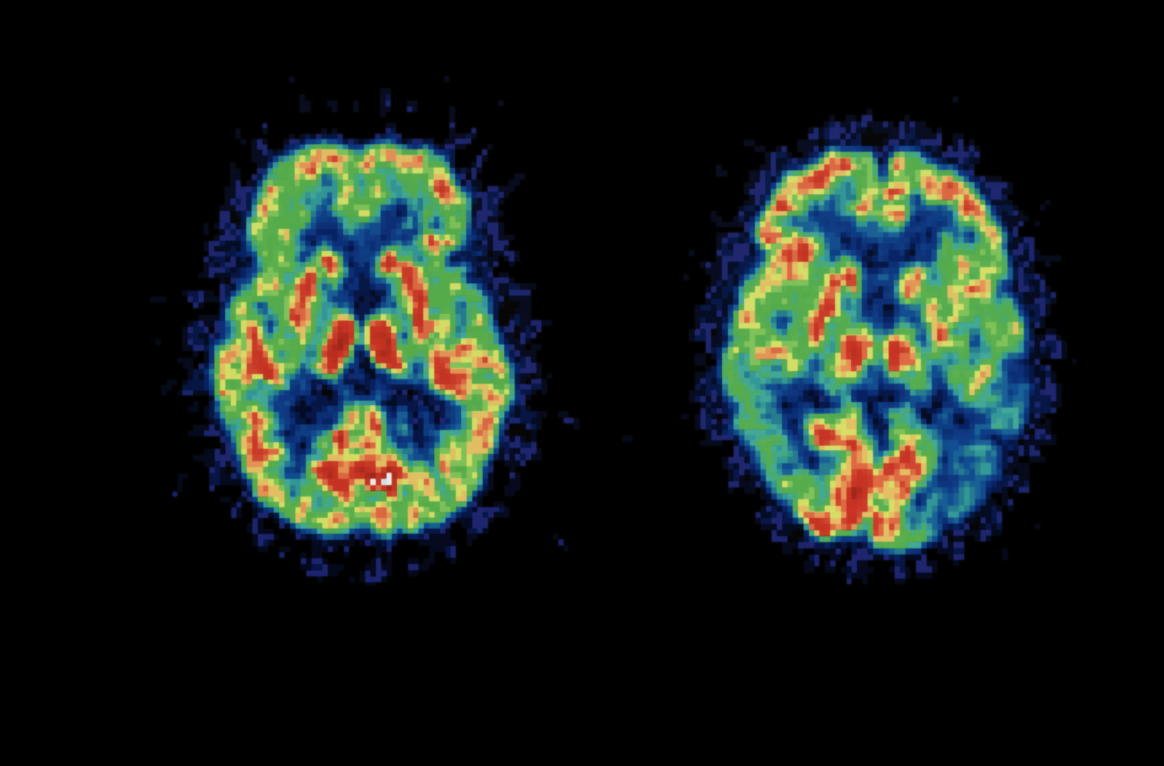
In recent years, Parkinson's disease research has made significant strides in developing tools to track misfolded alpha-synuclein, the protein associated with the disease. Last year, researchers identified a biomarker to detect these proteins in spinal fluid, and this year, efforts focus on a groundbreaking imaging tool to visualize them in living brains. Currently, such protein clumps are only detectable after death.
Dr. Jamie Eberling of The Michael J. Fox Foundation (MJFF) highlighted that six alpha-synuclein tracers have progressed to human trials, with initial results expected by early 2025. Success in these trials could revolutionize Parkinson's research by enabling real-time brain imaging, aiding early diagnosis, tracking disease progression, and improving drug development.
These imaging efforts utilize positron emission tomography (PET) to target alpha-synuclein. Similar approaches in Alzheimer's disease led to FDA-approved therapies after PET imaging of amyloid proteins transformed drug trials. MJFF’s decade-long investment culminated in a $10-million Ken Griffin Alpha-synuclein Imaging Competition, spurring progress by finalists such as Merck and AC Immune.
Beyond alpha-synuclein, MJFF supports broader imaging advancements, including tools to assess brain inflammation, synaptic function, and dopamine systems. A recent milestone demonstrated alpha-synuclein imaging is achievable, energizing the field to transform Parkinson's research and treatment possibilities.
Comments (0)
Loading comments...