


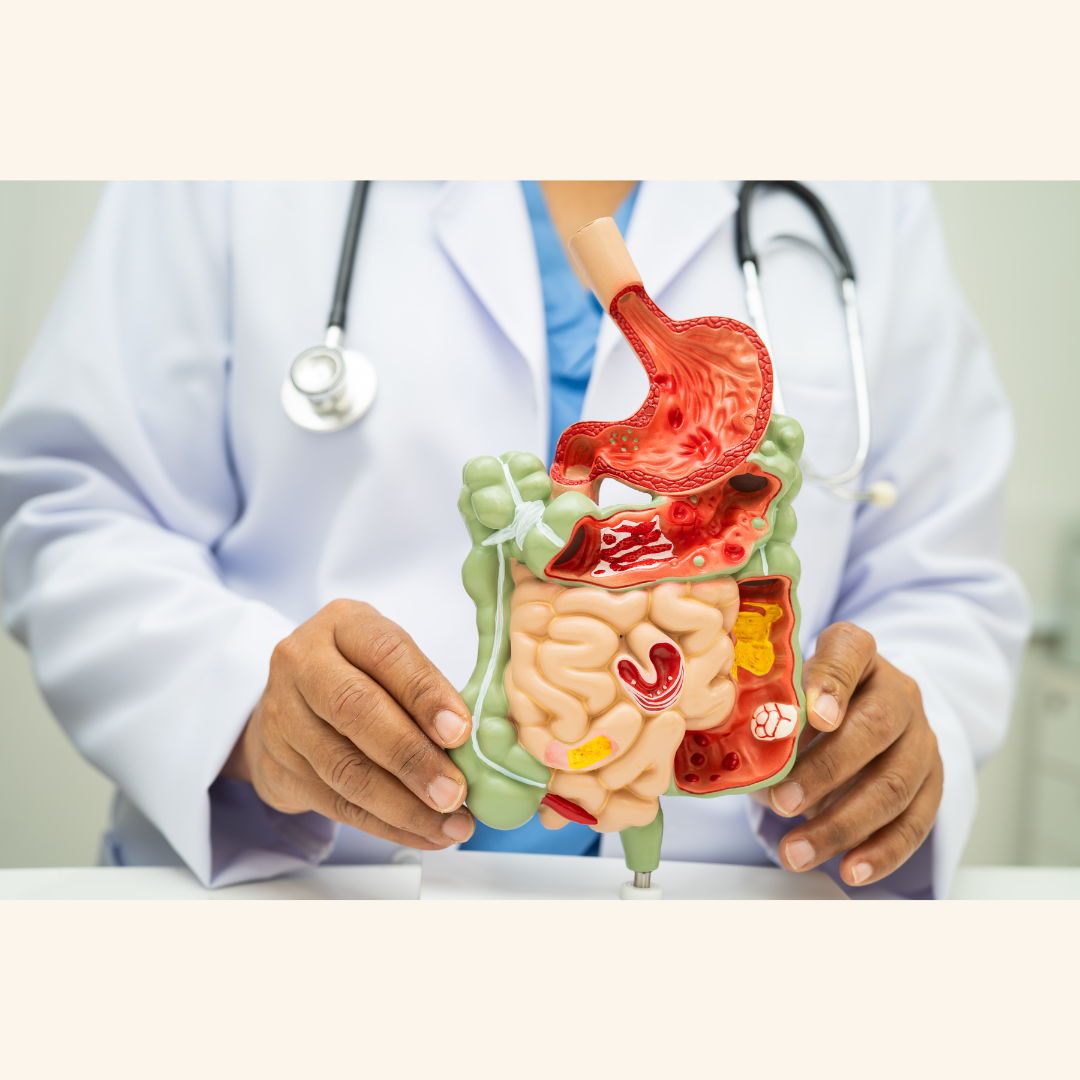
The "Second Brain" Rebellion: How the Gut Drives Parkinson’s
February 3, 2026
For nearly two centuries, medicine treated Parkinson’s as a problem confined to the top floor: the brain. We focused entirely on the loss of dopamine in the substantia nigra and the resulting tremor and stiffness. But a sweeping new collection of research published in Nature has effectively redrawn the map of this condition, confirming that for many, the trouble may start much lower down—in the gut.
This collection, focusing on the Gut-Brain Axis, pulls together evidence that transforms our understanding of Parkinson’s from a "brain disease" to a "whole-body" event. Here is what the latest science tells us about this hidden highway.
The "Gut-First" Hypothesis is No Longer Fringe
The most striking takeaway is the validation of the "gut-first" theory. The research highlights that long before a hand tremors or a foot drags, the gut is often in distress. Constipation, often dismissed as a minor nuisance, can precede motor symptoms by up to 20 years.
The collection details how alpha-synuclein—the sticky, toxic protein that clumps in the brains of people with Parkinson’s—has been found in the nerve cells of the gut wall in the very earliest stages of the condition. The prevailing theory is that these toxic clumps don't just magically appear in the brain; they may travel there.
The Vagus Nerve: The Superhighway of Disease?
Connecting your brain and your abdomen is the vagus nerve, a massive information superhighway. The new research suggests this nerve might be the physical route the disease takes. The toxic proteins can essentially "hitch a ride" from the gut, climbing up the vagus nerve fibre by fibre until they breach the brainstem.
This explains why symptoms often unfold in a specific order: first the gut (constipation), then the sleep centres (acting out dreams), and finally the motor centres (tremor). It is a slow, upward march of pathology.
A Civil War in the Microbiome
The collection also dives deep into the microbiome—the trillions of bacteria living in your intestines. In people with Parkinson’s, this ecosystem is often a war zone.
The Protectors are Missing: Beneficial bacteria that produce Short-Chain Fatty Acids (SCFAs)—molecules that calm inflammation and protect the brain—are significantly reduced.
The Agitators are Thriving: Pro-inflammatory bacteria are often overgrown. These "bad guys" erode the gut lining (leaky gut), allowing toxins to seep into the bloodstream and trigger a body-wide immune reaction that eventually inflames the brain.
Why This Matters for You
This shift in focus from the head to the stomach is not just academic; it changes the battlefield. If the gut is the engine driving some of the brain's inflammation, then "cooling down" the gut becomes a valid medical strategy.
While we cannot yet surgically block the disease from travelling up the vagus nerve, the research reinforces the power of what we put on our forks. Rebuilding the microbiome through anti-inflammatory nutrition, high fibre intake, and potentially specific probiotics isn't just about digestion—it is about cutting the supply line of inflammation to the brain.
In short, the gut is not just a bystander in Parkinson’s; it is an active player. And unlike the deep structures of the brain, the gut is accessible, modifiable, and responsive to how we treat it every single day.
Comments (0)
Loading comments...