


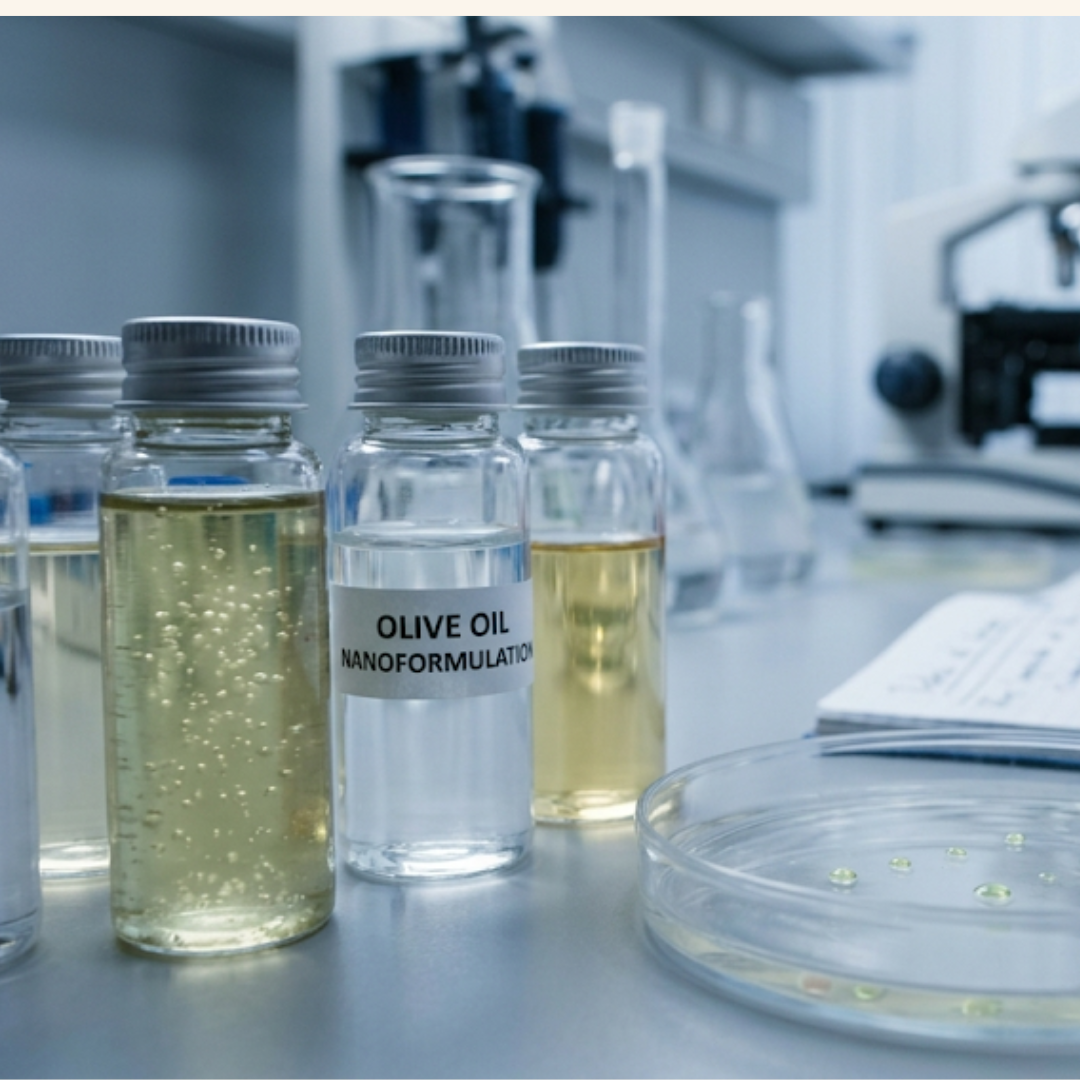
Olive oil and smart nano-packages build a dual-action shield to upgrade levodopa to work better
May 26, 2026
A fascinating new study has revealed that wrapping a standard medication called entacapone inside custom-designed, vitamin E-coated nanoparticles completely changes how the treatment behaves. Instead of just delivering the drug, these smart carriers provide a brilliant bonus by acting as powerful antioxidants and binding to excess iron, which are both fantastic ways to protect brain cells from damage.
The researchers set out to solve a frustrating medical puzzle. Entacapone is an excellent tool for keeping levodopa active in the body for longer, but it breaks down far too quickly in the bloodstream and struggles to pass through the highly protective blood-brain barrier. To build a better delivery system, the team experimented with different liquid bases, including natural choices like olive oil and coconut oil, alongside a specialized penetration enhancer called Transcutol HP.
The ingredients used drastically changed the physical size of the final product. The formulas built with the penetration enhancer created the smallest, most streamlined packages, followed closely by the olive oil mixtures, while coconut oil produced the largest ones.
Remarkably, these microscopic packages showed an ability to stick to natural bodily proteins and mucous layers. This might sound minor, but it is actually a massive win because it means the new formulation could easily be absorbed as a standard oral pill or even a simple nasal spray, potentially bypassing the traditional digestive route entirely. When tested on human cells, including liver, nerve, and nasal tissue, the formulations proved to be entirely safe and non-toxic.
Even better, the olive oil and penetration-enhancing formulas did not reduce the drug's strength. In laboratory cell tests, they fully maintained entacapone’s ability to block the enzymes that break down levodopa, whilst offering that extra layer of antioxidant and iron-mopping protection.
To see how the formula works in a living system, the scientists tested it on microscopic organisms specially engineered to mimic Parkinson's. The results were incredibly reassuring, showing survival rates of over eighty per cent even at high doses, alongside measurable antioxidant protection inside the living cells. By completely redesigning how medication travels through the body, this innovative technology opens up exciting new possibilities for steadier, more effective treatment for people living with the condition.
Comments (0)
Loading comments...