


Red Blood Cell Vans Deliver Healthy Mitochondria to Brain Cells
March 30, 2026
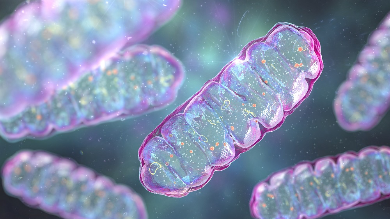
Scientists have developed a clever way to repair the internal power stations of brain cells by using red blood cells as a delivery service. In people with Parkinson's, the mitochondria—the tiny engines that provide energy to our cells—often become damaged and stop working correctly. When these engines fail, the brain cells that produce dopamine struggle to survive. This new research focuses on physically replacing those broken engines with healthy ones to see if the cells can be rescued.
The challenge has always been getting fresh mitochondria into the brain without the body's immune system attacking them. To solve this, researchers stripped the outer coating from red blood cells and used it to wrap up healthy mitochondria. This "camouflage" allows the tiny powerhouses to circulate through the bloodstream and reach the brain undetected. Once they arrive, these shielded units are absorbed by the struggling neurons.
In recent tests involving mice, this delivery method showed remarkable results. After receiving the healthy mitochondria, the mice experienced a significant recovery in their movement and coordination. The new mitochondria successfully integrated into the brain cells, restoring energy levels and preventing further cell death. Most importantly, the improvements lasted for several months after the treatment, suggesting that the cells weren't just temporarily boosted but were actually becoming healthier.
This approach represents a shift in how we think about treating Parkinson's. Instead of just replacing the dopamine that is lost, scientists are looking at how to fix the cellular machinery responsible for producing it in the first place. By using a delivery system derived from the body's own cells, this method bypasses many of the hurdles that usually stop new treatments from working. While still in the early stages, the success of these "powerhouse deliveries" offers a hopeful path toward protecting and restoring the brain's vital functions.
Comments (0)
Loading comments...