


Bayer Moves Parkinson's Cell Therapy Into Fnal Stage Trial
September 23, 2025
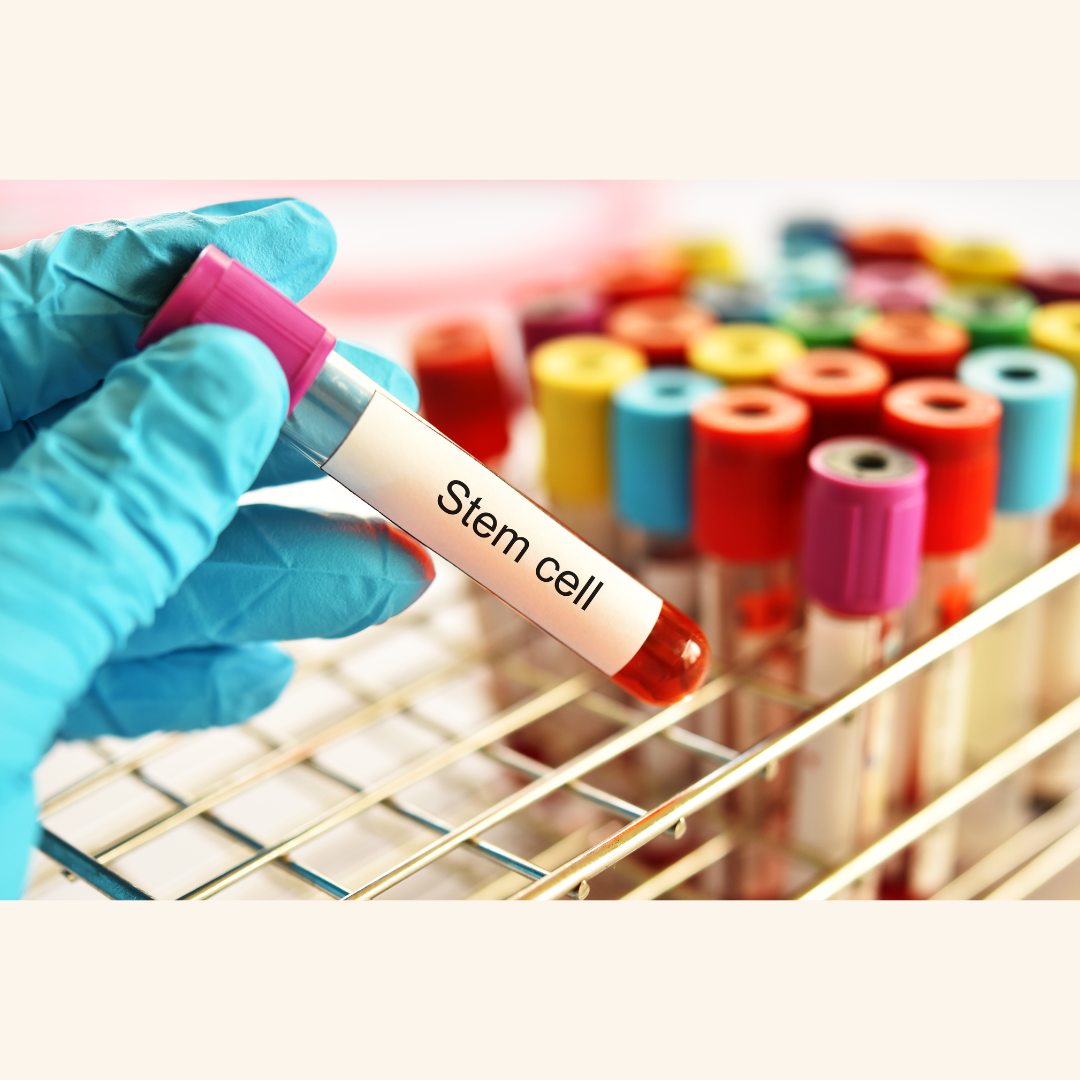
Bayer has taken a bold step forward in the search for better treatments for Parkinson’s disease by launching the first large-scale Phase III trial of a stem cell-based therapy. The treatment, called bemdaneprocel and developed through Bayer’s subsidiary BlueRock Therapeutics, is designed to replace the very brain cells that Parkinson’s slowly destroys.
Parkinson’s disease is driven by the loss of dopamine-producing neurons in the brain, which are vital for smooth movement and control. Current medications can ease symptoms for a time, but they do not stop the underlying cell loss. Bemdaneprocel takes a different approach. It uses stem cells that have been carefully engineered to become new dopamine-producing neurons. The hope is that once transplanted, these cells will integrate into the patient’s brain, restore the circuits damaged by Parkinson’s, and bring back lost function.
This is not just theory. In earlier Phase I trials, a small group of patients received the treatment and were closely followed for two years. The therapy appeared safe and well tolerated, with encouraging signs that the transplanted cells survived and began working in the brain. Those early results paved the way for the much larger and more ambitious study now under way.
The new trial, named exPDite-2, will recruit just over one hundred people with moderate Parkinson’s. It will run for 78 weeks and compare outcomes between patients who receive the therapy and those who undergo a placebo surgery. The main measure will be how much quality “on” time patients gain—those hours when medication is working without troublesome side effects like involuntary movements. Researchers will also track improvements in daily activities, mood, sleep, and overall quality of life.
Bayer has already committed heavily to this project, including investing a quarter of a billion dollars in a new manufacturing plant in California to ensure the therapy can be produced reliably and at scale. That level of commitment reflects both the promise and the challenge of bringing such a complex treatment to market.
There are still many questions. Cell therapy is expensive and logistically difficult, and it will take time to see whether the benefits can last for many years without serious risks. But the move into a pivotal trial is a milestone for the entire Parkinson’s community. For decades, treatment has focused only on managing symptoms. This is one of the first real attempts to restore what the disease has taken away.
It is not a cure, and results are still years away. Yet for people living with Parkinson’s and their families, Bayer’s bold step represents something new: the possibility that future therapies could go beyond slowing the decline and begin to rebuild the brain itself.
Comments (0)
Loading comments...