


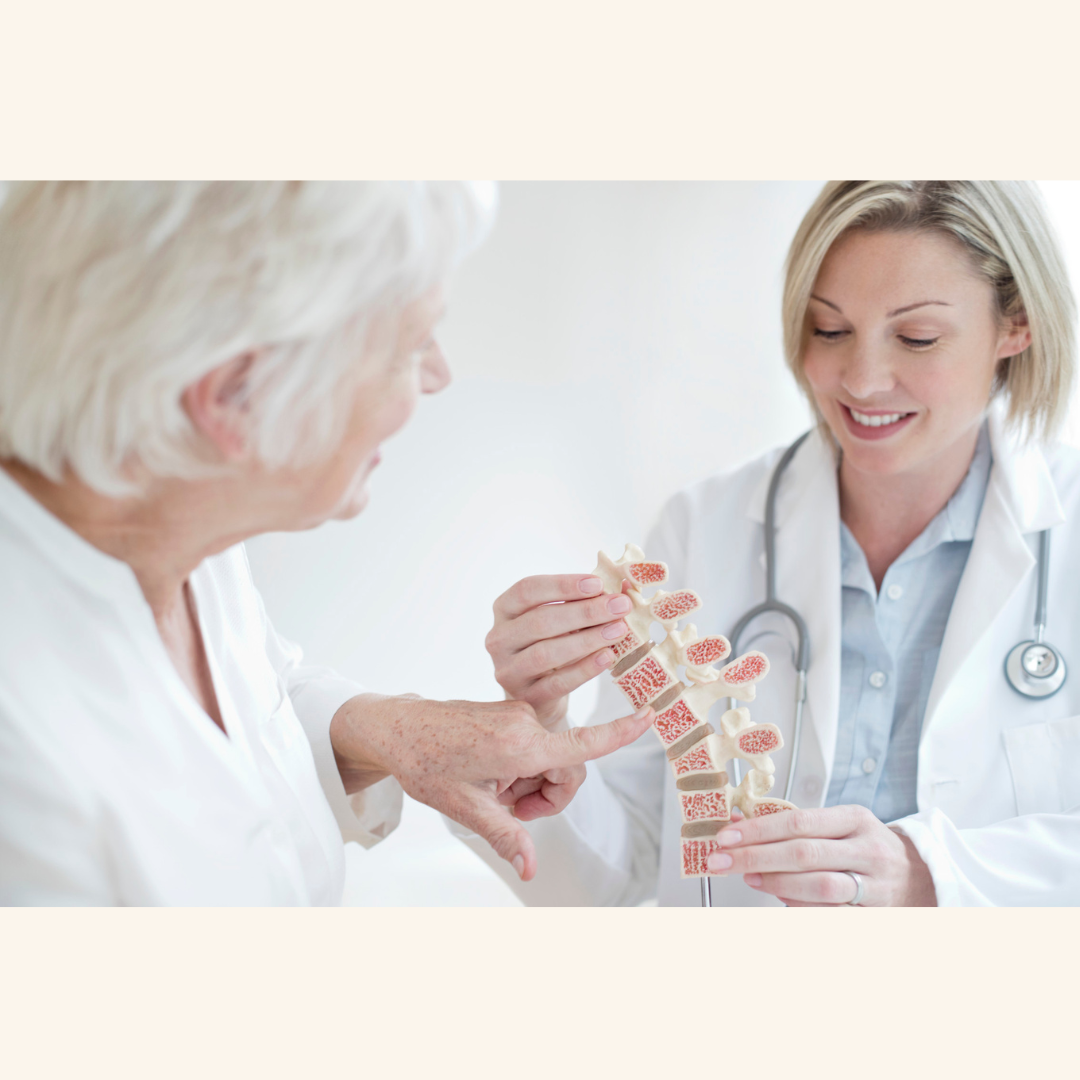
Educating About Osteoporosis May Help Prevent Falls
December 21, 2024
A new study suggests that educating people with Parkinson’s disease about osteoporosis—a condition that weakens bones—could help reduce their risk of falls and encourage better habits for bone health, like increasing calcium intake.
Osteoporosis is common in Parkinson’s patients and significantly raises the risk of fractures, particularly in the hip. Researchers in Turkey found that even simple educational efforts, such as providing an informational brochure, had a positive impact on participants’ knowledge and behavior. When combined with verbal education sessions, the benefits were even greater.
Study Highlights
The research, published in the Turkish Journal of Physical Medicine and Rehabilitation, involved 54 Parkinson’s patients (34 men and 20 women) with an average age of 68.5. Participants were split into two groups:
- One group received only a brochure explaining osteoporosis.
- The other group received the same brochure plus verbal education sessions.
Over 12 weeks, researchers tracked physical activity, calcium intake, number of falls, and other habits like smoking and alcohol use.
Key Findings:
- Fewer Falls: Patients who received both the brochure and verbal education had fewer falls than those who only got the brochure.
- Better Knowledge: Both groups improved their understanding of osteoporosis, but those who received verbal education showed greater improvements.
- Healthier Habits: Verbal education also led to better physical activity levels and leisure habits.
While handing out brochures alone wasn’t enough to create major changes, combining them with verbal education helped patients make meaningful lifestyle adjustments.
Why Education Matters
Osteoporosis makes bones brittle, increasing the likelihood of fractures during falls—a serious concern for older adults with Parkinson’s, who are already prone to falling. By improving knowledge and encouraging self-management, education can empower patients to adopt healthier habits.
“Although education alone may not fully change behavior, it can encourage individuals to take control of their condition and make positive choices,” the researchers noted.
Next Steps
The team recommends further research with larger groups, longer follow-up periods, and more interactive educational methods to confirm these findings. For now, their study underscores the value of patient education in managing Parkinson’s and osteoporosis together, potentially reducing the risks associated with both conditions.
Comments (0)
Loading comments...