


Lab-grown brain cells help uncover new targets for Parkinson’s treatments
December 2, 2024
Scientists have made an exciting breakthrough in understanding how Parkinson’s disease develops. A team at The Neuro (Montreal Neurological Institute-Hospital) at McGill University has found that the immune system plays a key role in forming toxic protein clumps in the brain, called Lewy bodies, which are a hallmark of Parkinson’s disease.
This discovery suggests that factors triggering the immune system, like chronic inflammation, exposure to toxins, or long-term stress, might not just be linked to Parkinson’s but could actually help cause it.
“Anyone could potentially develop Parkinson’s if exposed to the right environment,” said Dr. Peter McPherson, senior researcher on the study. “This means a genetic predisposition might not be necessary.”
The findings, published in Nature Neuroscience, could lead to new treatments that target the immune system to slow or prevent Parkinson’s progression.
Recreating Parkinson’s in the Lab
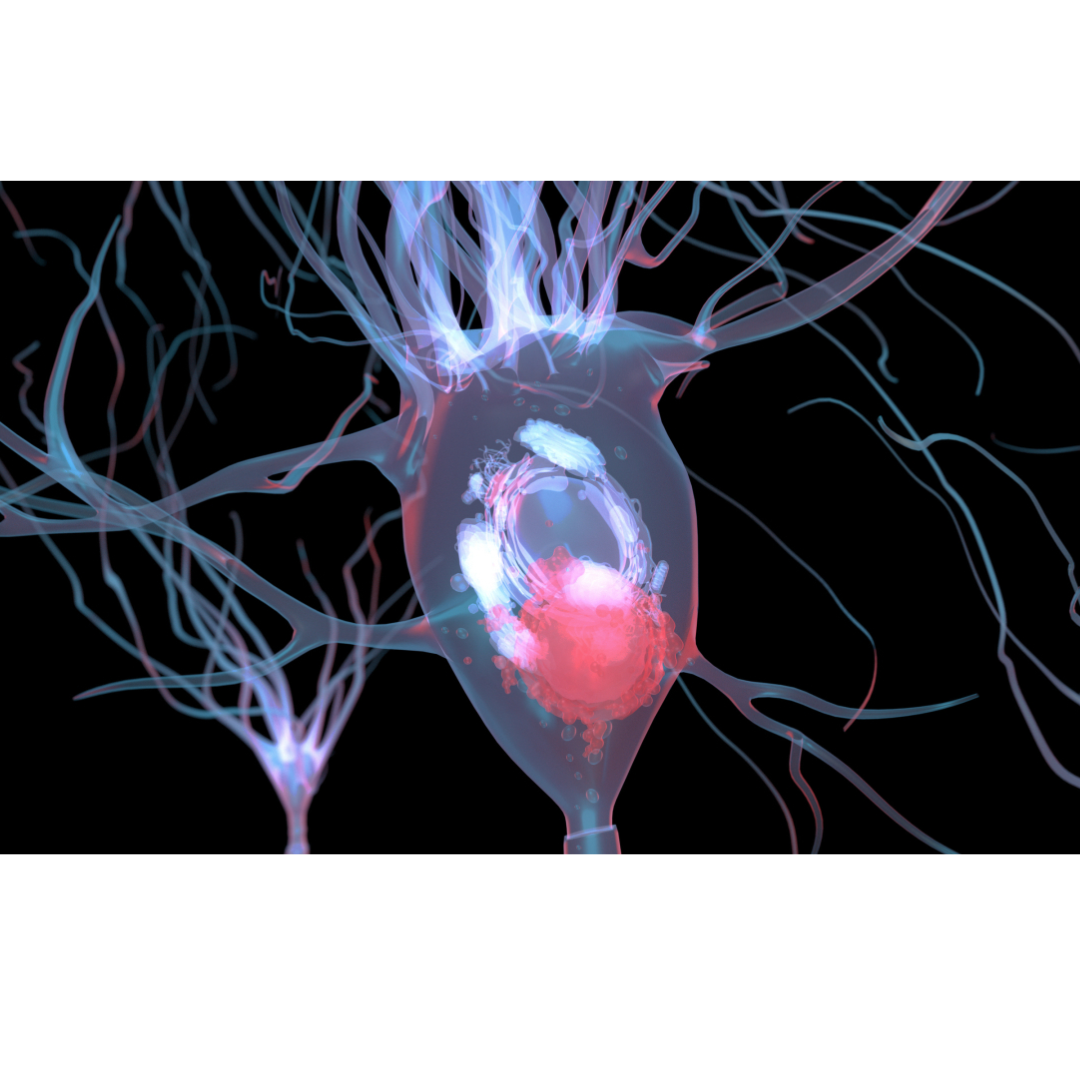
For the first time, scientists were able to recreate Lewy bodies in living human brain cells derived from stem cells. They observed how these clumps formed in real-time and found that two things were needed:
A protein called α-synuclein, known to play a role in Parkinson’s.
An immune response triggering inflammation.
Interestingly, these protein clumps only formed in dopamine-producing brain cells—the same cells that are damaged in Parkinson’s. Until now, researchers could only study Lewy bodies in brain tissue after death, which limited their ability to understand how they develop.
The study also revealed that Lewy bodies are more complex than previously thought. Alongside misfolded proteins, they contain other parts of the cell, providing researchers with new insights that could help develop targeted therapies.
Why the Immune System Matters
This research builds on earlier studies linking the immune system to Parkinson’s. It highlights how an overactive immune response, combined with α-synuclein, can create the conditions for Lewy bodies to form.
“These findings bring us closer to understanding how Parkinson’s develops and could pave the way for new treatments,” said Armin Bayati, a PhD candidate and lead author of the study.
The study was funded by several Canadian research organizations and is an important step forward in the fight against Parkinson’s, a condition that affects over 100,000 Canadians and millions worldwide.
What’s Next?
The researchers hope their discovery will inspire more studies to explore how managing the immune system might help prevent or slow the progression of Parkinson’s. This could mean a future where fewer people are impacted by this life-changing disease.
Comments (0)
Loading comments...