


Understanding the practical reality of inhaled levodopa for Parkinson's
August 11, 2026
 Beatrice
Inhaled levodopa rescue therapy offers fast relief from off episodes, though manufacturer sponsorship and high financial costs highlight the need for a realistic look at how it compares with standard oral treatments.
A 12 week study across 5 Spanish centres evaluated 40 people with Parkinson's between March 2024 and November 2025 to measure how inhaled levodopa impacts daily living and non motor symptoms. The trial, titled INLEVO LIFE PD and published in the European Journal of Neurology, was sponsored and funded by Esteve, the pharmaceutical company that distributes the medication in Spain and parts of Europe. Participants using the treatment experienced an average reduction in daily off time of 1.6 hours, alongside improvements in non motor symptoms such as anxiety, fatigue, and pain measured at 30, 60, and 90 minutes after inhalation. Total quality of life scores improved from 43.6 at the start to 31.4 by the end of the 12 weeks, with 85 percent of participants completing the full trial.
Understanding how the treatment works helps explain why researchers are exploring lung delivery for sudden movement dips. Standard oral levodopa tablets must pass through the stomach and small intestine before entering the bloodstream. When an off state occurs, delayed stomach emptying often stalls drug absorption, taking 45 to 60 minutes or longer for an oral dose to take effect. Inhaled levodopa bypasses the digestive tract entirely by taking dry powder straight into the lungs, allowing active levodopa to reach the bloodstream within 10 to 20 minutes to restore movement.
Despite the rapid speed of relief, inhaled levodopa is designed strictly as an intermittent rescue therapy rather than a replacement for routine daily oral medication. Users are limited to a maximum of five rescue doses per day to manage sudden or unpredictable off periods.
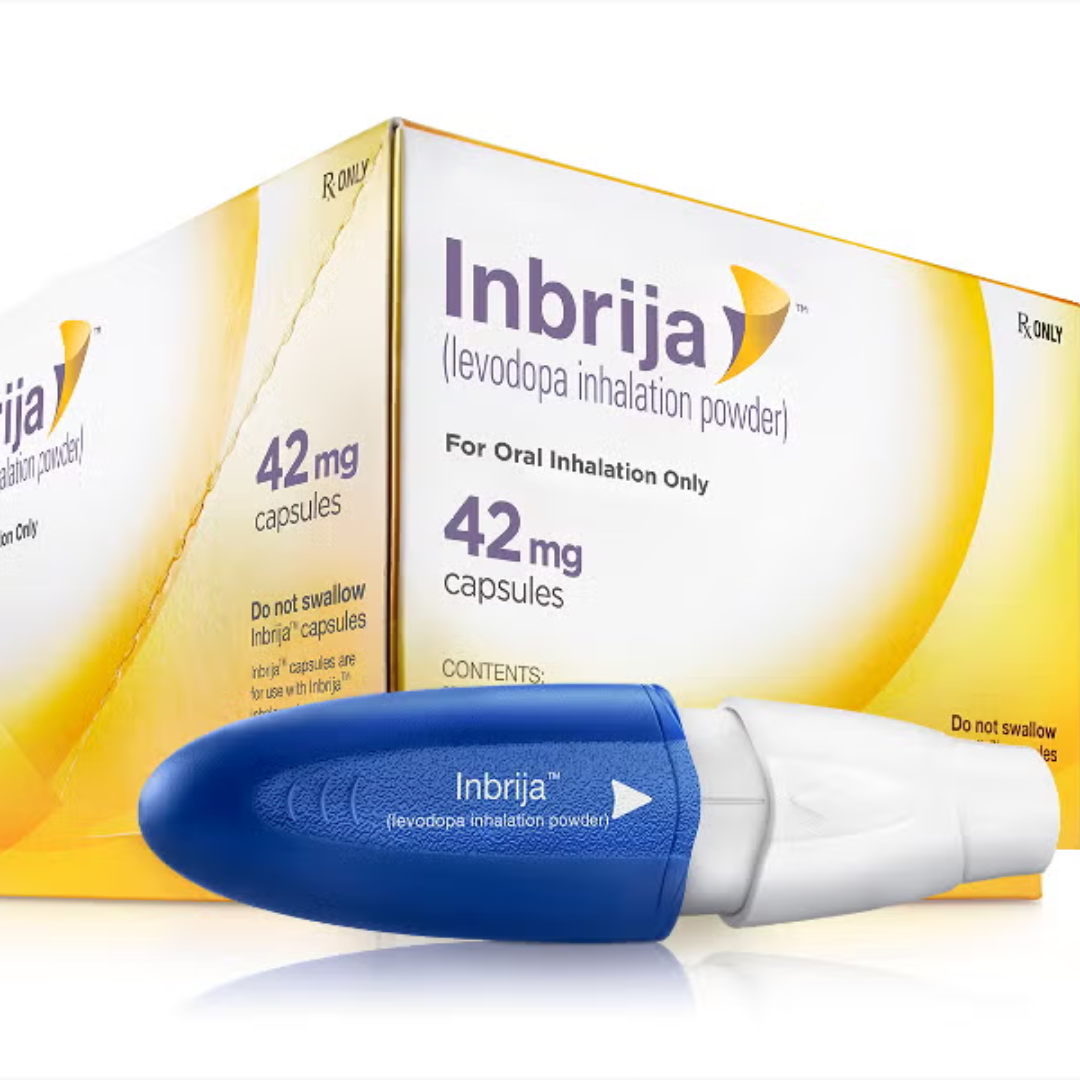
The financial expense remains a central drawback. Inhaled levodopa is dramatically more expensive than conventional oral tablets. In countries where it is sold commercially, monthly costs frequently reach hundreds of pounds or Euros. While the drug holds regulatory approval in the United States under the brand name Inbrija and across the European Union, widespread NHS availability in the UK remains tightly restricted. Health authorities often compare its high price tag against existing, lower cost rescue options like dispersible oral levodopa or apomorphine injections.
Practical usability and side effects also require careful evaluation. Coughing during or immediately after inhaling the powder is a widely reported side effect, making the device unsuitable for individuals with respiratory conditions such as asthma or chronic obstructive pulmonary disease. Furthermore, operating the inhaler requires loading a small capsule and holding the device correctly while in an active off state, which can prove challenging for hands affected by severe tremor or rigidity.
Evaluating clinical research funded by pharmaceutical manufacturers requires weighing observed benefits against real world practicalities. Inhaled levodopa provides a genuinely fast acting tool for unpredictable off times, but high financial costs, physical handling needs, and potential airway irritation mean it serves as a specialised option rather than a universal solution.
Comments (0)
Loading comments...