


University of Florida researchers discover how LRRK2 gene variants cause iron toxicity and cell death in human brain cells
July 26, 2026
Researchers at the University of Florida have discovered how genetic variations in the LRRK2 gene trigger harmful iron buildup and cell death in human brain cells.
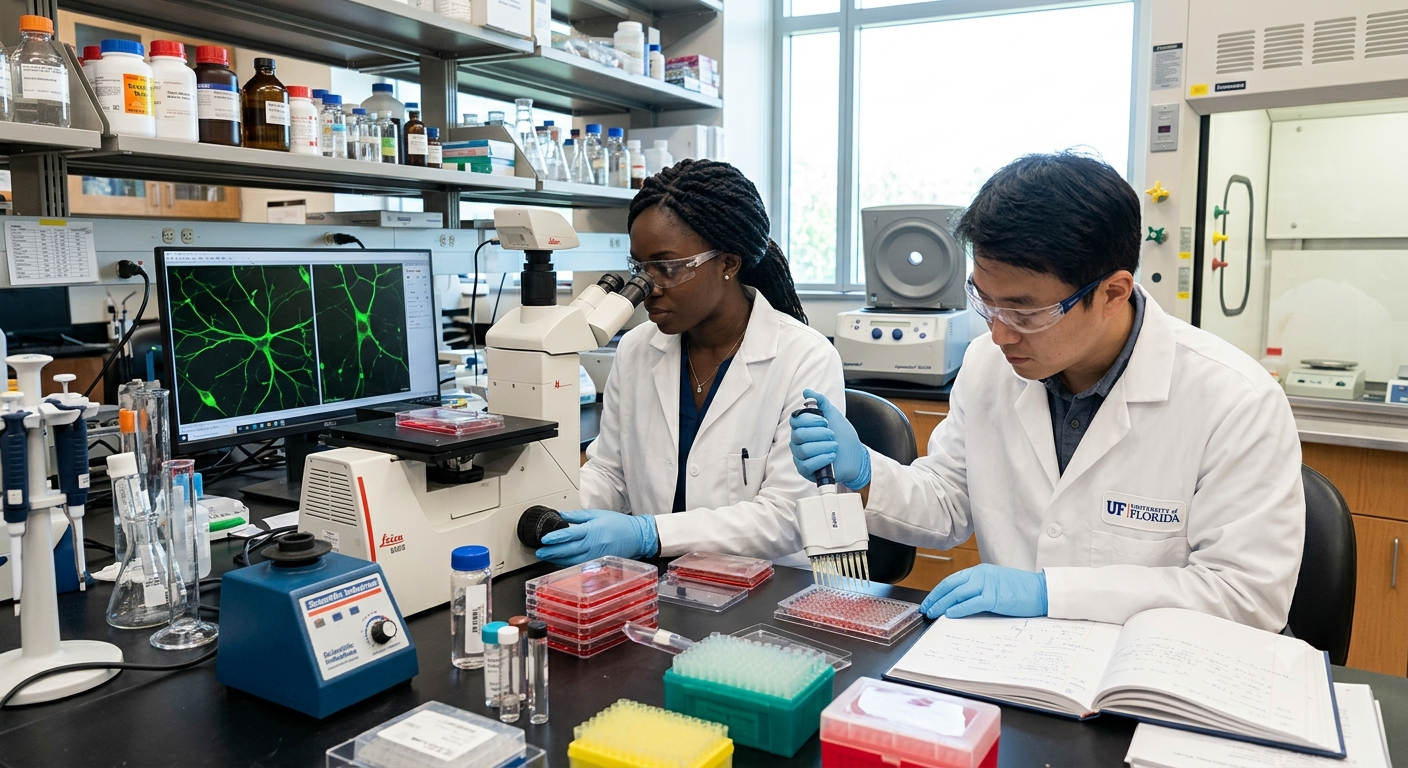
Scientists led by Dr Adamantios Mamais and Dr Matthew LaVoie examined how mutated versions of a gene called LRRK2 disrupt the delicate chemical balance inside brain cells. Excess iron in specific brain regions has long been associated with movement conditions, but whether this accumulation is a root cause or a secondary byproduct remained uncertain. By growing human stem cells into neurons and supporting helper cells known as astrocytes, the research team tracked down the precise cellular mechanism linking genetic changes to iron overload.
Inside these stem cell models carrying common LRRK2 variants such as G2019S and R1441C, the researchers observed a consistent breakdown in iron handling. Ferrous iron became trapped in excessive amounts inside lysosomes, which serve as the cellular waste recycling system. This buildup occurred across both signal sending neurons and astrocytes in a direct response to overactive LRRK2 enzyme activity.
The underlying process involves a relay network of transport proteins called Rab GTPases. The study revealed that LRRK2 altered the function of two key transport proteins, Rab8a and Rab10. When Rab8a activity was reduced, cells displayed the exact same faulty iron storage seen with LRRK2 mutations, confirming that Rab8a plays a vital role in moving iron through cells safely.
Trapped iron acts as a toxic trigger inside the cell. The excess iron reacts with surrounding cellular structures, generating dangerous oxygen molecules that damage essential cell fats through a process called lipid peroxidation. Over time, this chemical chain reaction pushes brain cells toward ferroptosis, a specialized form of cell death driven entirely by iron toxicity.
Crucially, the team demonstrated that this cellular damage can be halted. Applying a selective drug that blocks LRRK2 enzyme activity cleared the trapped iron from lysosomes and lowered oxidative stress. Similarly, introducing iron chelators, which are specialized compounds that bind to free iron and safely neutralize it, prevented lipid damage and protected the cells. These findings show that iron imbalance is an early, treatable pathway in genetic forms of the condition, offering clear targets for future therapies designed to protect brain cells before severe damage occurs.
Comments (0)
Loading comments...