


The Role of an Energy-Producing Enzyme in Treating Parkinson’s Disease
August 22, 2024
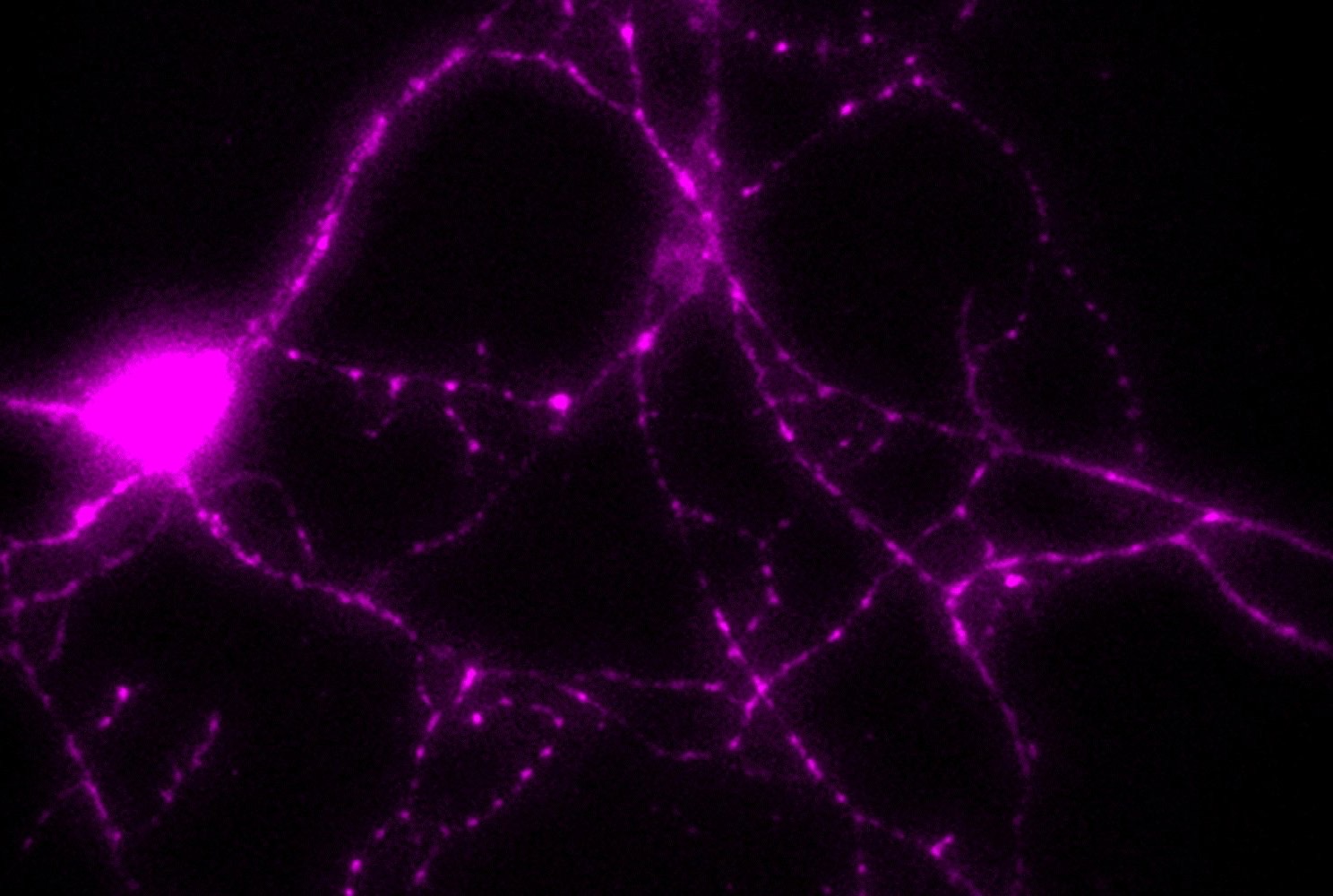
A recent study led by researchers at Weill Cornell Medicine found that an enzyme called PGK1 plays a surprisingly important role in producing energy in brain cells. This discovery suggests that increasing PGK1 activity might help the brain fight off the energy shortages that contribute to Parkinson’s disease.
Published on August 21 in *Science Advances*, the study revealed that PGK1 is a "rate-limiting" enzyme, meaning that even a small boost in its activity can significantly improve energy production in the parts of dopamine neurons that are damaged in Parkinson’s disease. By enhancing PGK1, researchers were able to prevent the breakdown of these neurons in animal models of Parkinson’s.
Dr. Timothy Ryan, the senior author of the study, expressed optimism about the potential for new Parkinson’s treatments based on this discovery.
For years, scientists have suspected that a lack of energy in neurons contributes to Parkinson’s, but they haven't had a clear target for treatment. The focus on PGK1 emerged after studies showed that terazosin, a drug used to treat prostate enlargement, also enhances PGK1’s energy-producing activity and has positive effects in animal models of Parkinson’s. However, the exact way terazosin worked was unclear, and some pharmaceutical companies were skeptical about its effectiveness.
In the new study, Dr. Ryan’s team used sensitive tests to clarify PGK1’s role in neuron energy production. They found that even a small increase in PGK1 activity, like that provided by terazosin, was enough to keep neurons functioning under low-energy conditions, such as those caused by Parkinson’s-related gene mutations.
The team also discovered that a protein called DJ-1, which is linked to Parkinson’s when mutated, works closely with PGK1 to support energy production. This was an unexpected finding, as DJ-1 was previously thought to mainly prevent harmful protein buildup in neurons.
Dr. Ryan believes that an energy deficit in dopamine neurons, caused by aging, genetics, and environmental factors, is a key early factor in Parkinson’s. Enhancing PGK1 activity could potentially reverse this deficit and stop the disease from progressing.
He is hopeful that new drugs, which can more effectively boost PGK1 activity than terazosin, could have a significant impact on treating Parkinson’s disease.
Comments (0)
Loading comments...