


Understanding the Role of Synaptic Proteins in Parkinson’s Disease
February 10, 2025
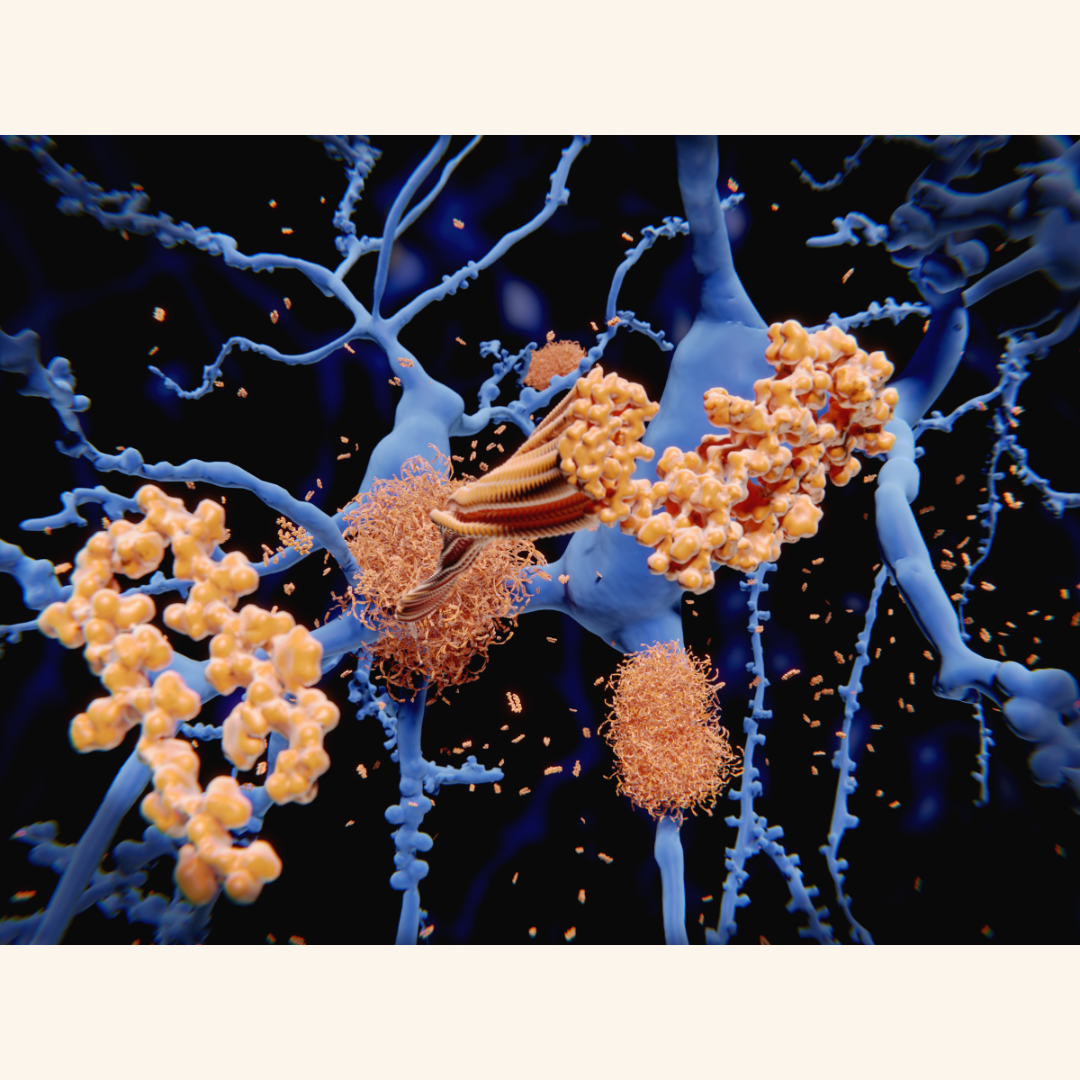
One of the biggest clues in understanding Parkinson’s is a protein called α-synuclein (alpha-synuclein). Normally, this protein helps brain cells communicate. But in Parkinson’s, α-synuclein clumps together into harmful structures called Lewy bodies, which interfere with brain function and contribute to cell death.
Other Synaptic Proteins and Their Role
Besides α-synuclein, scientists are now studying other synaptic proteins—proteins that help nerve cells send signals. These include:
β-synuclein (beta-synuclein): May help prevent α-synuclein from clumping.
γ-synuclein (gamma-synuclein): May actually promote α-synuclein clumping.
Synphilin-1: Works closely with α-synuclein and may influence Parkinson’s development.
Synaptophysin, synaptobrevin, synaptogyrin, synaptotagmin, and synaptojanin: These proteins play important roles in how brain cells send and receive signals, and some researchers believe they might be linked to Parkinson’s.
Why Does This Matter?
Right now, most Parkinson’s treatments only manage symptoms—they don’t stop the disease from getting worse. If scientists can better understand the role of these synaptic proteins, they might find new ways to diagnose Parkinson’s early and even develop treatments that slow or stop its progression.
The Gut-Brain Connection
Interestingly, research also suggests that Parkinson’s may start in the gut before affecting the brain. Some studies have found abnormal α-synuclein in the intestines long before movement problems appear. This means early warning signs—like digestive issues—could help doctors detect Parkinson’s sooner.
The Future of Parkinson’s Research
Since current treatments don’t stop Parkinson’s from progressing, researchers are looking for new ways to fight the disease. One promising area of research involves finding biomarkers—biological clues that help detect Parkinson’s early. Scientists are also working on therapies that target α-synuclein and other synaptic proteins, hoping to slow or prevent brain cell damage.
Final Thoughts
While there’s still much to learn, this research is a step forward in understanding Parkinson’s at a molecular level. By studying α-synuclein and other synaptic proteins, scientists hope to uncover better treatments and earlier detection methods—giving patients a brighter future.
Comments (0)
Loading comments...