


Understanding how Parkinson's and ageing influence long term dementia risk
August 15, 2026
 Beatrice
Weekend Long Read
For the past two years, my husband has had regular blood tests every few months, followed by detailed consultations with his doctor to closely monitor specific biomarkers, particularly homocysteine. Elevated levels of this amino acid are well documented in medical research as a significant risk factor for vascular damage, neuroinflammation, and cognitive decline, and his test results revealed that, alongside living with Parkinson's, his metabolic profile placed him at a heightened risk of developing dementia over the next ten years or so. In response, his doctor and care team introduced a systematic, proactive strategy: month after month, they adjust his targeted supplements such as essential B vitamins and refine his diet to optimise homocysteine breakdown and protect cellular health. Alongside this biochemical fine-tuning, every consultation reviews his physical exercise programme, structured cognitive activities, and broader daily routines, creating a powerful, combined approach designed to lower his risk and protect his brain health for the future.
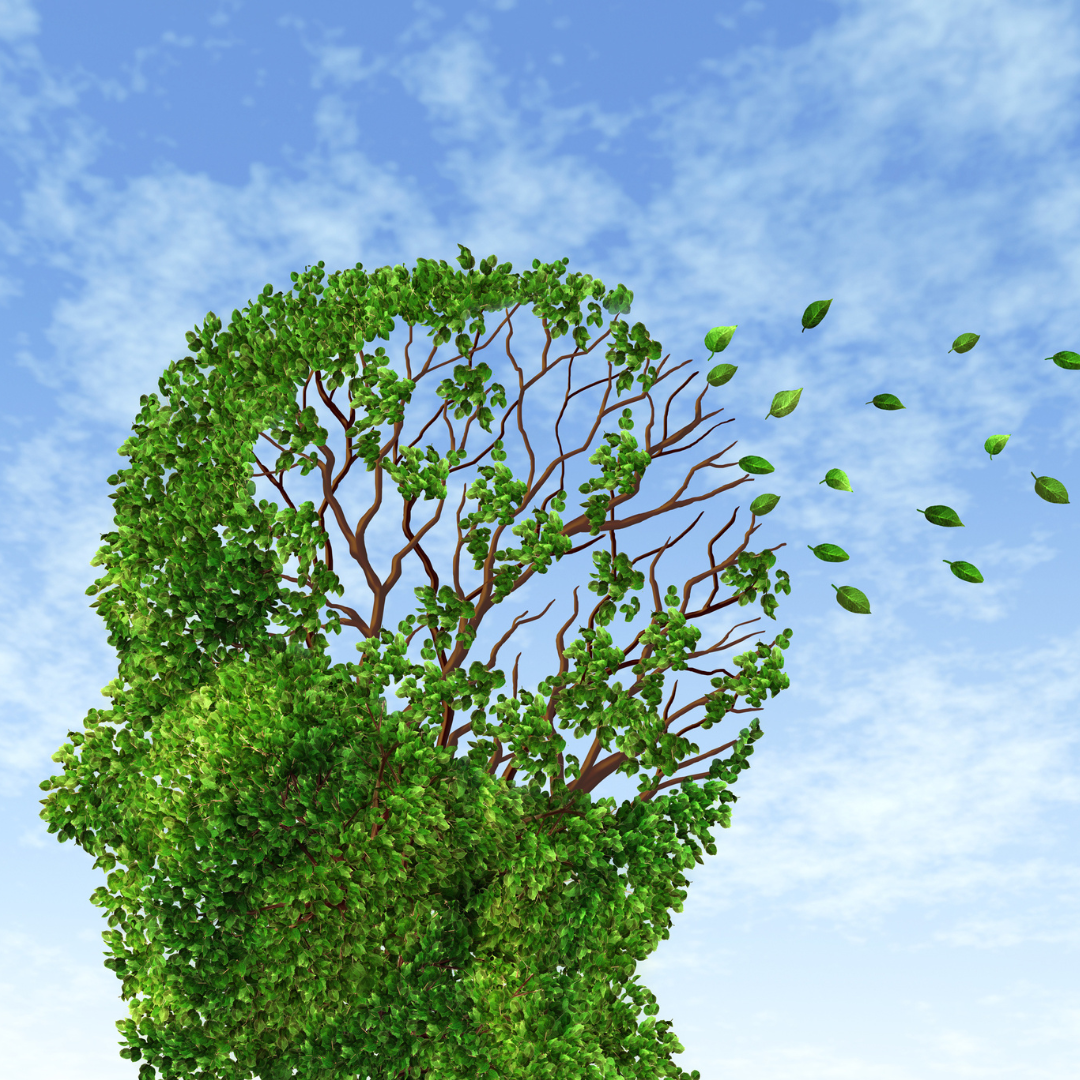
Yet, this raises a pressing question for many of us: is dementia an inevitable shadow of the ageing process for everyone with Parkinson’s, or is it a distinct risk that we can actively outmanoeuvre? In this article, we will explore the science behind cognitive change in Parkinson's, distinguishing between normal ageing and the specific pathways that influence our long-term brain health.
Taking control of brain health in this way feels essential, especially when you look at the wider healthcare landscape. A landmark report published this month by University College London, alongside the Alzheimer’s Society, revealed that one in every six acute hospital beds in the United Kingdom is currently occupied by someone living with dementia. That figure is projected to rise to one in four within the next fifteen years.
The difficulty is that modern hospitals were built for acute physical emergencies rather than cognitive care. When people with cognitive changes enter unfamiliar, noisy hospital environments, confusion and distress often follow. People end up staying far longer than necessary because community support systems struggle to keep pace. Across the globe, health services are facing the reality that caring for an ageing population requires an entirely different, community-first approach.
Yet behind these daunting statistics lies a remarkably hopeful story that rarely makes the headlines. While the absolute number of people with dementia worldwide is increasing because populations are living longer, the actual rate at which an individual develops dementia has been falling sharply in many countries. In North America and Europe, the age-adjusted incidence of dementia has dropped by roughly thirteen per cent per decade over the past twenty-five years. A recent forty-year study from Duke University revealed that people in their late eighties today are about one-third as likely to have dementia compared to people of the exact same age four decades ago.
This drop did not happen by chance. It happened because public health improved, smoking declined, and cardiovascular care advanced. The latest Lancet Commission on dementia concluded that up to forty-five per cent of dementia cases worldwide could be delayed or prevented entirely by addressing fourteen modifiable lifestyle and medical factors across our lives. These include managing blood pressure, treating high cholesterol, staying physically active, correcting vision, and using hearing aids for hearing loss. Researchers have even discovered that a routine shingles vaccination can reduce the risk of developing dementia by around twenty per cent, likely by calming dormant nerve inflammation and stimulating the immune system.
For people living with Parkinson's, understanding how cognitive changes work is just as empowering. Historically, thinking changes were treated as an unmentionable subject. Neurologists once assumed that cognitive difficulties only arrived at the very late stages of the condition. Long-term studies, such as those led by Dr Caroline Williams-Gray at the University of Cambridge, have shown that cognitive changes can develop at different times, but the trajectory varies enormously from person to person. While roughly half of people may experience some cognitive involvement after ten years, many navigate life for decades with their sharp intellect entirely intact.
Parkinson's dementia is also fundamentally different from Alzheimer's. Alzheimer's typically attacks short-term memory first, causing people to repeat questions or forget recent conversations. In Parkinson's, the core memory remains largely sound. Instead, the condition primarily affects two distinct areas: visual-spatial processing and executive function.
Visual-spatial processing relates to how the brain judges objects and distances in space. It shows up in practical tasks such as judging lanes while driving, parking a car, finding apps on a mobile screen, or getting your legs into trousers. Executive function governs organisation, multitasking, and planning, such as sorting out finances or organising travel.
These changes are entirely distinct from the harmless brain fog that many people experience after turning forty, such as walking into a room and forgetting why you entered, or struggling to recall an actor's name. True cognitive changes reflect specific pathways in the brain that we can now study, measure, and support.
At a biological level, Parkinson's dementia involves a combination of factors. Frederick Lewy first identified abnormal protein deposits known as Lewy bodies inside brain cells in 1912. These are made of a protein called alpha-synuclein. In some people, Alzheimer's-related proteins such as amyloid can also accumulate. When higher levels of amyloid are present, cognitive changes tend to progress more rapidly.
Equally important is the loss of a vital brain chemical called acetylcholine. While dopamine is famous for controlling movement, acetylcholine manages attention, visual processing, and mental speed. Acetylcholine is produced deep in the forebrain in a cluster called the nucleus basalis of Meynert. In people who develop cognitive symptoms, the nerve pathways carrying acetylcholine to the outer cortex gradually degrade.
Professor Rimona Weil, a neurologist and researcher at University College London, has pioneered fascinating research to spot these changes years before they impact daily living. Because the visual areas at the back of the brain rely heavily on acetylcholine, Professor Weil developed subtle computer tests to measure visual perception. In one test, participants identify pictures of cats and dogs that have been digitally stretched and distorted. In another, they watch clusters of moving dots to identify whether the pattern represents a person walking.
Her team discovered that people who struggle with these subtle visual tasks show early disruptions in the wiring of the brain. Using an advanced MRI technique called fixel-based analysis, her laboratory can measure individual nerve fibres where they cross, detecting tiny axonal swellings and early connection losses long before whole areas of the brain begin to shrink. This allows doctors to identify who is at risk and intervene early.
Risk is not evenly spread. People diagnosed at an older age, particularly over seventy-five, carry a higher risk, whereas those diagnosed in their forties or fifties are far less likely to develop dementia. Specific sleep disturbances, such as shouting or moving during dreams, can also indicate heightened risk, as can unmanaged high blood pressure or vascular changes.
The practical question is what can be done right now to protect the brain. Professor Weil advocates a clinical philosophy inspired by Sir Dave Brailsford, the famed British cycling coach who transformed his team through the aggregation of marginal gains. Instead of searching for one elusive silver bullet, making multiple small, positive adjustments across several areas creates a powerful collective benefit.
Physical exercise sits at the top of the list. Engaging in thirty minutes of activity five times a week stimulates brain plasticity and protects blood vessels. Combining aerobic exercise such as brisk walking, strength training with weights, and balance practice yields the best results. Breaking this up into smaller exercise snacks throughout the day makes it easy to maintain.
Social engagement is equally vital. Staying connected with family, continuing work or hobbies, and conversing with friends activates multiple brain networks simultaneously, offering far greater protection than isolated computer brain games.
Looking after your senses is another crucial step. Treating cataracts or updating your spectacles reduces the unnecessary cognitive strain on the visual cortex. Addressing hearing loss with modern hearing aids prevents the social withdrawal and sensory deprivation that accelerate decline.
In the clinic, medical reviews make a substantial difference. Doctors can check for and remove medications that block acetylcholine, including certain bladder and nerve pain drugs. When mild cognitive symptoms appear, starting medications called cholinesterase inhibitors, such as rivastigmine or donepezil, helps boost and preserve natural acetylcholine levels. Long-term observational studies show that people using these medications can maintain stable cognitive scores for five to six years.
Looking ahead, scientific momentum is accelerating. Researchers are exploring treatments to clear amyloid from the brain, alongside new anti-inflammatory tablets such as neflimod, which specifically target the pathways involved in Lewy body conditions. Advances in specialised PET scans and blood tests measuring phosphorylated tau are bringing precise, personalised medicine closer to reality.
Cognitive health is not an inevitable storm that you must simply endure. Through regular monitoring of biomarkers, active daily movement, rich social connections, sensory care, and targeted medical therapies, people with Parkinson's have more practical tools than ever to keep their minds sharp and protect their quality of life.
Comments (0)
Loading comments...