


Keck Medicine of USC Implants Stem Cells to Restore Dopamine in 2026 Trial
February 7, 2026
For decades, the standard approach to managing Parkinson’s has been essentially a delivery service. The brain stops making dopamine, so we swallow tablets to deliver a synthetic substitute. It works, but it is a rental agreement, not a repair. The medication wears off, the "off" periods return, and the cycle continues every few hours.
The team at Keck Medicine of USC (University of Southern California) is now attempting to cancel that rental agreement and buy the factory instead.
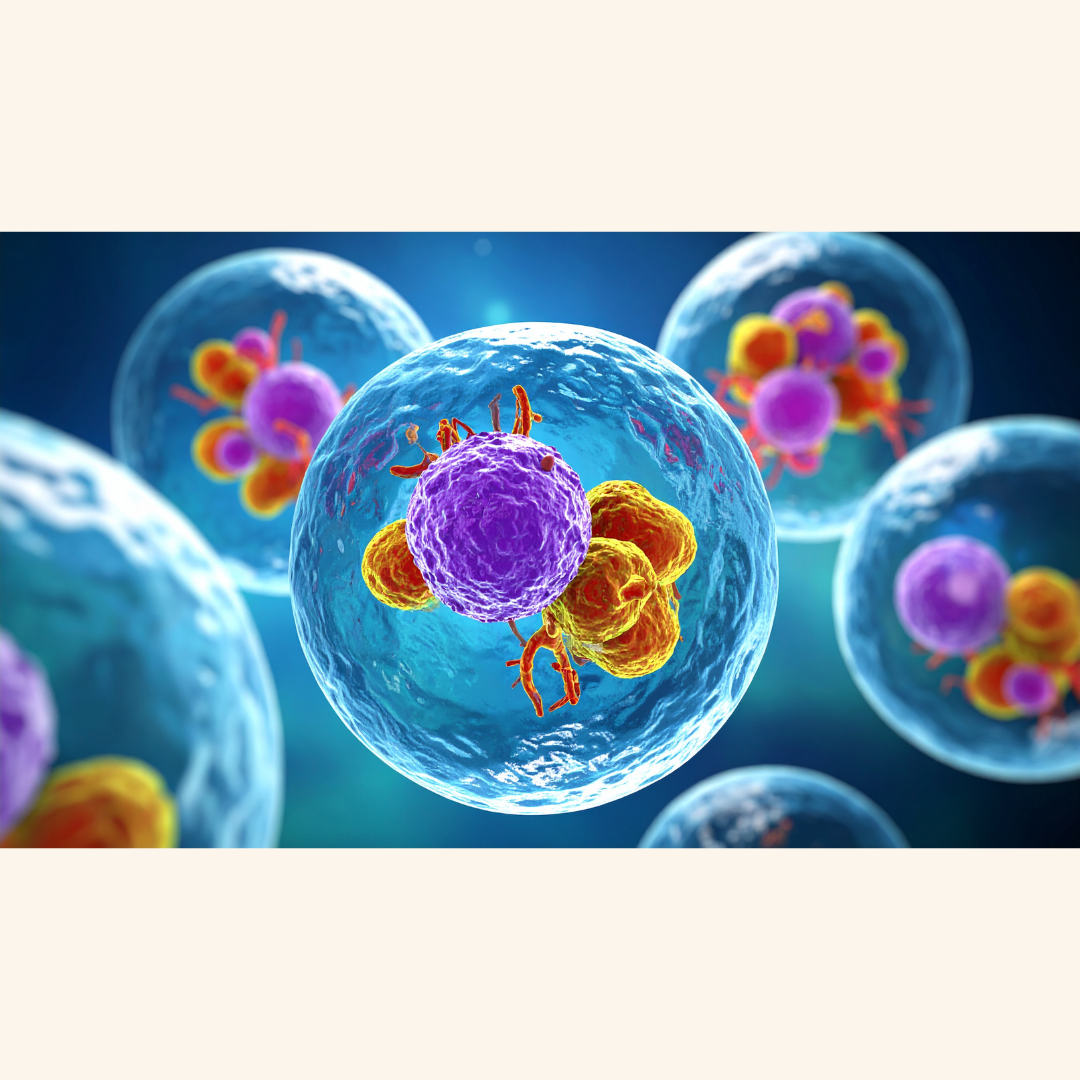
In a landmark clinical trial taking place this year, surgeons at Keck Medicine are testing a procedure that implants lab-grown stem cells directly into the brains of people with Parkinson’s. The goal is as ambitious as it sounds: they want to replace the dying neurons with fresh, healthy ones that can produce their own dopamine naturally.
This moves the science from merely managing symptoms to potentially restoring the brain's original architecture.
The procedure addresses the root of the problem. In Parkinson’s, specific cells in a deep region of the brain wither away and stop communicating with the areas that control movement. The trial at Keck Medicine involves a precise surgical delivery of precursor cells—essentially "blank slate" cells that have been coaxed in a lab to become dopamine-producing neurons. Once implanted, these cells are designed to integrate into the brain’s existing network and set up shop, releasing dopamine exactly where it is needed, around the clock.
If successful, this could mean a significant reduction in the reliance on oral medication. More importantly, it could smooth out the jagged ups and downs of daily life with the condition, offering a continuous flow of dopamine that a pill simply cannot mimic.
Keck Medicine of USC has a reputation for pushing the envelope in neurological surgery, and this trial represents the culmination of years of preclinical safety testing. The surgeons use advanced imaging to navigate the brain, ensuring the cells are deposited with sub-millimetre accuracy. It is high-stakes biology meeting high-tech engineering.
While the primary focus of this phase is safety, the implications for the future are massive. If these implanted cells survive and function as hoped, it validates the idea that we can rebuild the damaged circuitry of the brain. It suggests a future where a diagnosis leads to a repair procedure rather than a lifetime of increasing prescriptions.
We are still in the early days, and science moves at its own deliberate pace, but the work being done in California is a beacon. It signals a shift from asking "how do we hide the symptoms?" to "how do we fix the machinery?" For the millions watching from around the world, that is a very good question to be asking.
Comments (0)
Loading comments...