


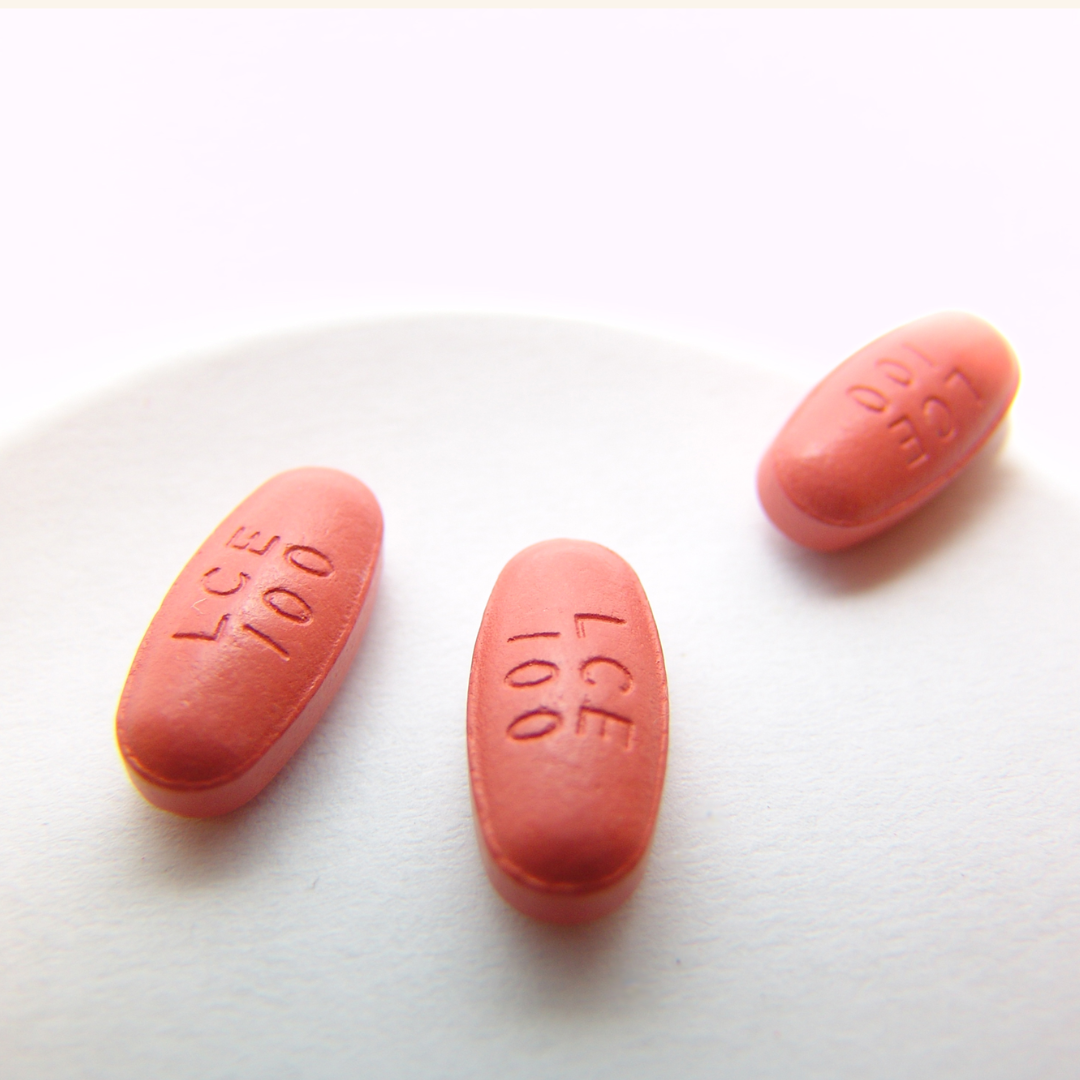
Understanding your options for carbidopa levodopa treatment
June 22, 2026
We would like to make you aware of the brilliant resources put together by the American Parkinson’s Association (APDA). They have highlighted that carbidopa levodopa is the absolute mainstay of treatment for Parkinson's and remains the most effective medication available. It is fascinating to note that APDA research funding actually played a vital role in the discovery of levodopa way back in the 1960s when they supported the pioneering work of Dr George C. Cotzias. Over the decades, scientists have developed many different versions of this therapy, which can sometimes feel overwhelming when you are trying to figure out which one suits you best. If you or someone you care about is taking this medication, or if you are wondering whether it might be time to start, diving into these specific topics can give you real clarity.
When considering the basic facts about daily therapy, common questions often arise regarding timing and efficacy. Dr Rebecca Gilbert, the Chief Mission Officer at APDA, frequently addresses whether it is sensible to delay starting this medication. Research shows that postponing treatment unnecesssarily does not provide long term benefits, as the medication is designed to replace dopamine, a chemical that your brain is producing less of over time. People often wonder how many years the treatment remains effective. The good news is that it helps manage symptoms for decades, though the way your body responds to it will naturally shift. Another frequent worry is what to do if you happen to miss a dose. It is generally advised to take the missed dose as soon as you remember, unless it is almost time for your next scheduled one, but you should always keep your healthcare team informed. You can find more detailed guidance on handling daily routines by exploring the APDA Common Questions Guide.
The sheer variety of formulations available today exists because the condition affects everyone differently. While the classic immediate release tablets are excellent for quick absorption, scientists have designed extended release capsules that release the ingredients slowly into your system to provide a more stable level of support throughout the day. There are also intestinal gels and newer subcutaneous options, which are delivered just under the skin to assist people who experience sudden fluctuations where the medication seems to switch off. Dr Gilbert explains the logic behind each specific choice, helping you understand that these variations are not meant to confuse you, but rather to give your doctor the precise tools needed to tailor your care. To see how these different options stack up, you can read the full breakdown in the APDA Formulations Article.
To hear directly from experts in the field, you can watch a dedicated video episode where Dr Gilbert hosts Dr Eleni Okeanis Vaou. In this discussion, they walk viewers through how neurologists actually decide which specific delivery method is right for your lifestyle. They look at the clear differences between older capsules and modern extended release tech, and they highlight the signs that suggest it might be time to ask your doctor for a change in your prescription. Watching this conversation can help you feel much more confident before your next medical appointment, and you can view the broadcast on the APDA Dr Gilbert Hosts YouTube Episode.
There are also specific symptoms that people often wonder if the medication can fix. For instance, many want to know if it addresses balance issues, walking difficulties, or speech changes. While levodopa is fantastic for stiffness, slowness, and tremors, it is less effective for balance and speech because those specific symptoms often involve different pathways in the brain. People also ask if muscle cramps can be a side effect, which is indeed possible, particularly when the medication is wearing off between doses. For a complete look at these community questions, you can check out the APDA Additional Questions Answered Page.
Misinformation can sometimes cause unnecessary hesitation, so it is helpful to dismantle common myths. One widespread worry is that levodopa is toxic or that it will stop working after a few years. In reality, the medication does not lose its inherent power, rather, the underlying condition progresses, meaning your brain simply requires a more refined dosage or a different formulation to get the same relief. Knowing the facts helps eliminate fear, and you can read the truth behind these misconceptions in the APDA Five Myths Debunked Article.
Finally, keeping up with the latest scientific updates is essential for long term wellbeing, especially regarding nutrition. The regulatory authorities recently introduced warnings noting that long term levodopa use can sometimes lead to a deficiency in Vitamin B6 and Vitamin B12. This happens because the process of breaking down the medication in your body uses up these specific vitamins. A shortage can lead to complications like neuropathy, which causes tingling or numbness in your hands and feet. Fortunately, this is easy to monitor with simple blood tests, and your doctor can recommend straightforward supplements to keep your levels exactly where they need to be. You can explore the full chemical relationship and advice by visiting the APDA Vitamin B6 and B12 Guide.
Every single person experiences this journey differently. Your symptoms, your rate of progression, and your lifestyle are unique to you, which means what works beautifully for someone else might not be the right choice for your routine. We hope this comprehensive overview helps you feel empowered, but please remember never to hesitate to ask your own neurologist any questions you have. If you feel your current dose is losing its punch, start a conversation with your healthcare team to see if one of these modern variations could give you the steady support you deserve.
Comments (0)
Loading comments...