


Breakthrough Cell Therapy for Parkinson's Disease Shows Promise in Early Trial
November 27, 2024
South Korea-based biotech company S.BIOMEDICS has shared exciting news about its experimental cell therapy, TED-A9, for Parkinson’s disease, showing positive results in a clinical trial after one year. The Phase 1/2a study, which included 12 participants, demonstrated that TED-A9 could help improve motor and behavioral symptoms of Parkinson’s disease, potentially offering new hope for those suffering from this challenging condition.
What is TED-A9?
TED-A9 is a cell therapy designed to address the loss of dopaminergic neurons in Parkinson’s patients. These neurons are responsible for producing dopamine, a neurotransmitter crucial for controlling movement. TED-A9 is made from high-purity dopaminergic progenitor cells, which are derived from human embryonic stem cells (hESCs). These cells are carefully produced under stringent manufacturing standards and then transplanted into the brain. Once inside, the cells are expected to mature into the missing dopaminergic neurons, potentially restoring motor function.
Promising Results After One Year
The clinical trial, which began in 2023, followed participants with moderate to severe Parkinson’s disease who had been living with the disease for over five years. Six of the participants received a low dose of TED-A9 (3.15 million cells), and six others received a higher dose (6.3 million cells). After 12 months, positive results were observed in both groups.
Motor Symptom Improvement: Using the Hoehn and Yahr scale, which is a common way to measure the severity of motor symptoms in Parkinson’s, participants showed significant improvements. Low-dose patients saw a 19.4% improvement in their motor symptoms, while the high-dose group experienced a 44.4% improvement, moving from severe to milder stages of the disease.
Behavioral Recovery: In addition to motor improvements, participants showed behavioral recovery. The MDS-UPDRS Part III (off) scale, which measures motor performance, showed a 22.7% improvement for low-dose patients and a 25.3% improvement for high-dose patients.
Freezing of Gait: One of the most common and debilitating symptoms of Parkinson’s disease, freezing of gait (temporary cessation of movement), was completely resolved in the high-dose group and partially improved in the low-dose group.
The improvements were confirmed through advanced neuroimaging techniques like FP-CIT PET scans, which measure dopamine transporter (DAT) levels in the brain. The results showed that TED-A9 led to increased dopamine transporter activity, particularly in the high-dose group, supporting the theory that the transplanted cells are effectively restoring dopamine function.
Safety and Additional Benefits
In terms of safety, the trial showed that TED-A9 was well-tolerated. Although one participant experienced mild hemorrhaging unrelated to the transplant site, no serious side effects were observed. The study also assessed non-motor symptoms, such as mood and daily activities, and TED-A9 showed positive effects across multiple measures, including the Parkinson’s Disease Questionnaire and the Non-Motor Symptoms Scale.
Looking Ahead
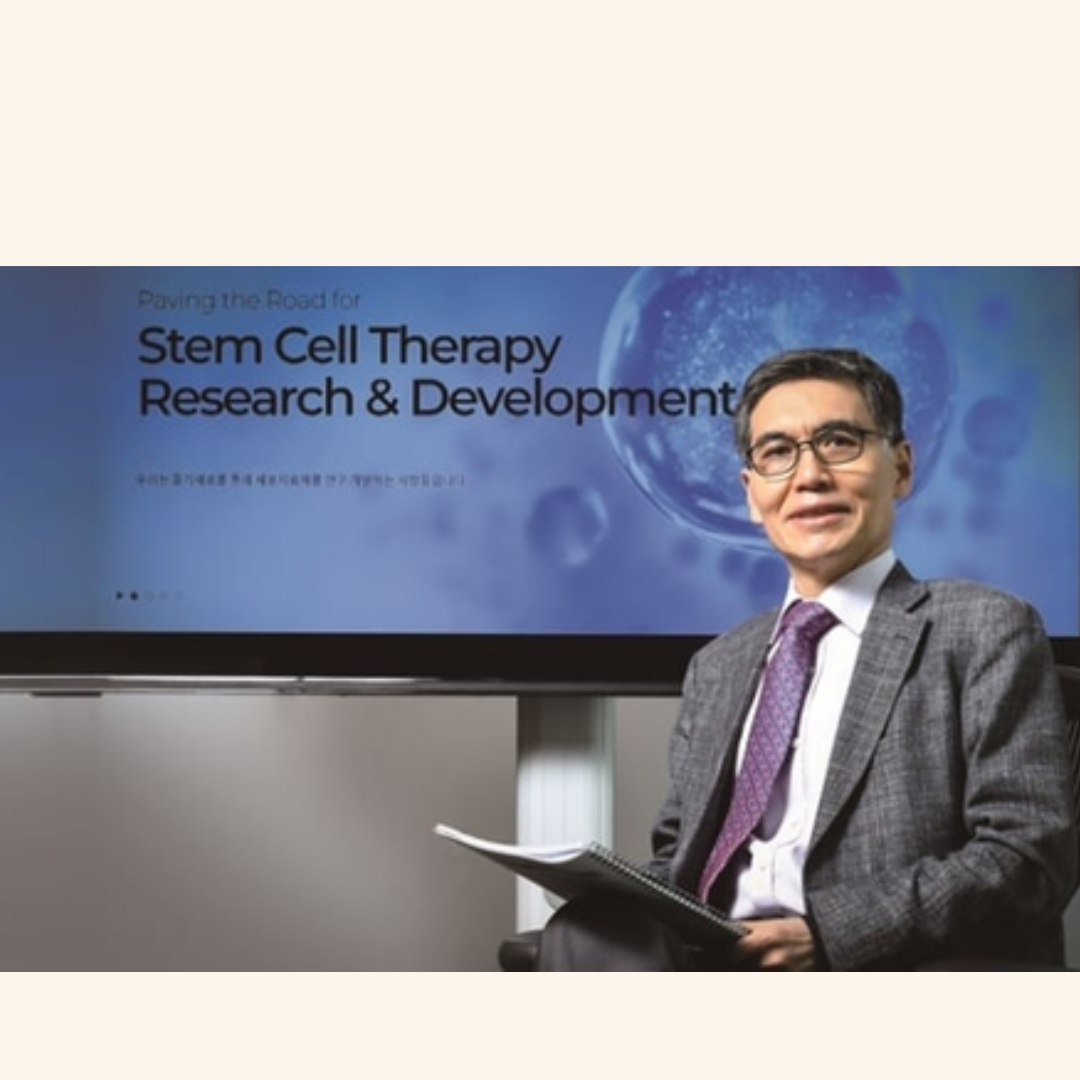
The Phase 1/2a trial is still ongoing, with participants being monitored for a total of five years to assess the long-term effects of TED-A9. The research team, led by Professor Dong-Wook Kim of Yonsei University, is optimistic about the continued progress of this therapy.
“We are excited by the data so far, which shows significant potential for TED-A9 to promote behavioral recovery and confirm its mechanism through neuroimaging,” said Prof. Kim. “We look forward to unveiling more data as our study continues.”
Conclusion
While Parkinson’s disease remains a challenging and incurable condition, TED-A9’s success in early trials offers a promising step toward new treatments that could potentially slow or even reverse some of the disease's effects. With ongoing trials and further research, TED-A9 could become a groundbreaking treatment for those affected by Parkinson’s disease.
For more information on S.BIOMEDICS and their innovative treatments, visit www.sbiomedics.com.
Photo: Dong-Wook Kim, Prof. at Yonsei University College of Medicine and CTO of S.BIOMEDICS (photo: S.BIOMEDICS)
Comments (0)
Loading comments...