


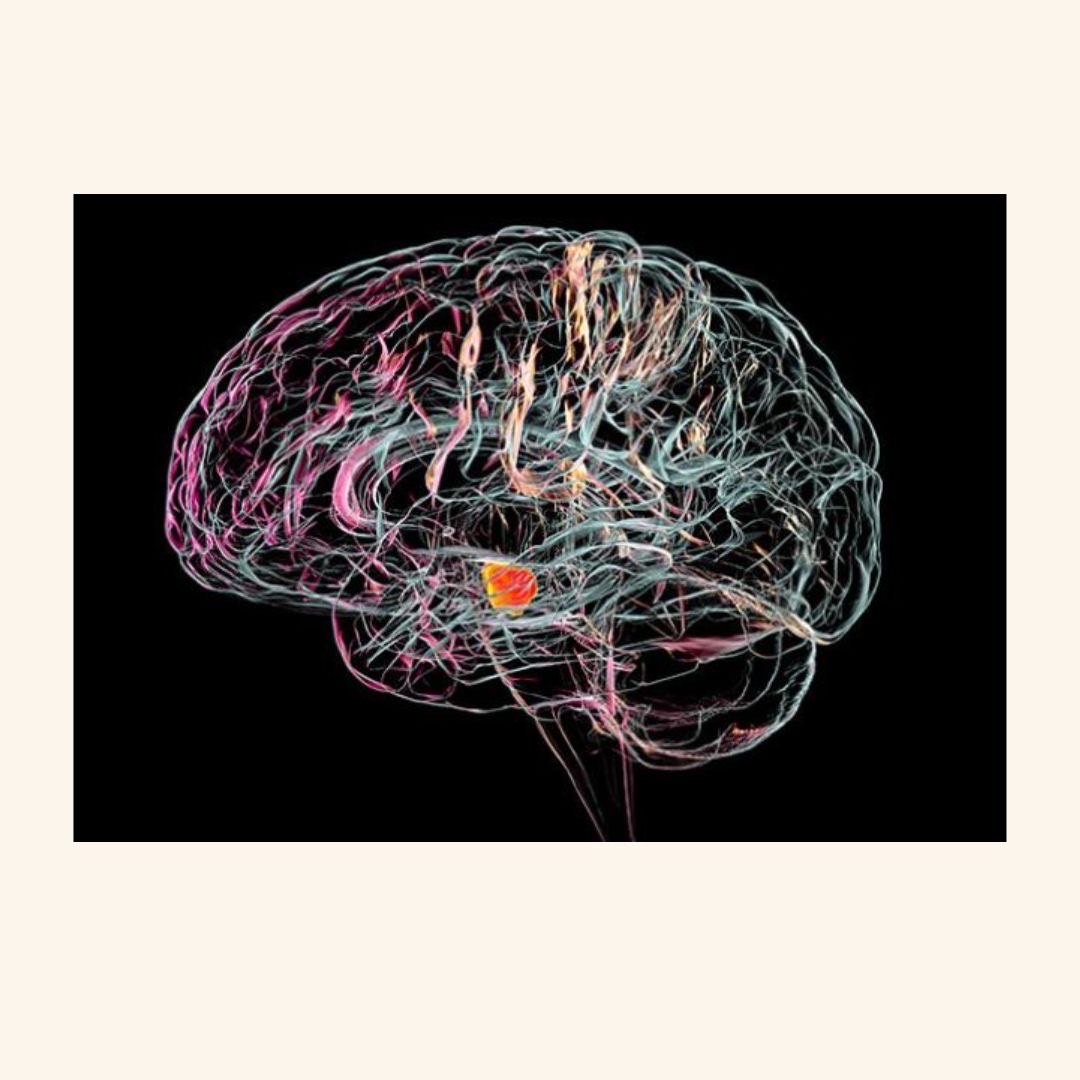
Cambridge researchers are developing implants that could help repair the brain pathways damaged by Parkinson’s disease
January 24, 2025
A groundbreaking research project co-led by Professor George Malliaras from Cambridge University and Professor Roger Barker from the Department of Clinical Neurosciences is exploring a new way to treat Parkinson’s disease. Supported by the UK’s Advanced Research + Invention Agency (ARIA) as part of a £69 million Precision Neurotechnologies programme, the team is developing a cutting-edge brain implant using small clusters of brain cells called midbrain organoids.
The idea is to replace the dopamine-producing brain cells that are lost in Parkinson’s. Dopamine is crucial for controlling movement, and its loss leads to the condition’s hallmark symptoms, like tremors and stiffness. While current treatments, such as dopamine-based drugs, can help in the early stages, they often come with serious side effects over time.
The new approach involves placing these midbrain organoids in the brain and using advanced materials and electrical stimulation to help them integrate and repair damaged brain networks. The goal is to create a more precise and effective therapy that could restore normal brain function in people with Parkinson’s.
This project is one of 18 funded by ARIA’s Precision Neurotechnologies programme, which aims to advance brain-computer interface technologies for treating complex neurological conditions like Parkinson’s, Alzheimer’s, epilepsy, and depression. With £69 million invested over four years, the programme is focused on creating innovative, less invasive, and more targeted solutions to improve the lives of people with brain disorders.
“Our ultimate goal is to create precise brain therapies that restore normal brain function,” said Professor Malliaras. By addressing current challenges, this project and others like it could significantly reduce the social and economic impact of neurological disorders across the UK, providing hope for patients and their families.
Comments (0)
Loading comments...