


Emerging wearable technologies for monitoring and treatment of Parkinson’s disease
March 1, 2024
 Beatrice Zatorska
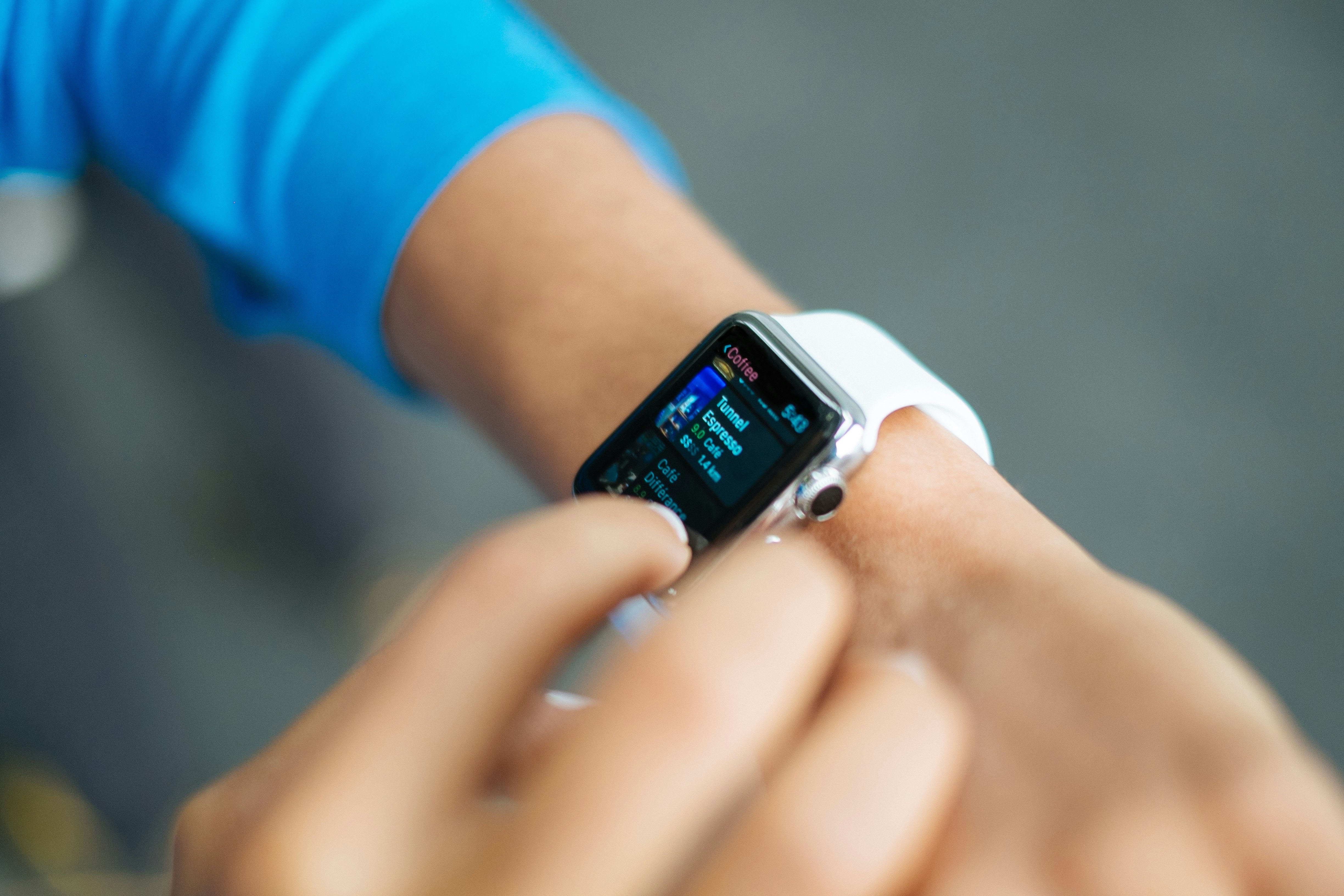
Insightful short paper from Professor Peter Tass (the same one who is working on the Parkinson’s glove) about the benefits of wearable devices for people with Parkinson’s.
Please read the full paper in the attached linked. I wrote a short short summary of it:
Benefits with assessing motor and cognitive functions:
Wearable technologies are becoming important tools for understanding Parkinson's disease symptoms. They track symptoms better than traditional methods and are easy to use. By analyzing data from wearables, we can learn more about how Parkinson's affects the body. This is helpful for improving clinical trials and treatments. This review will discuss using wearables to monitor four main systems affected by Parkinson's: movement, thinking, digestion, and sleep. It will also talk about new wearable devices that can deliver personalized therapy.
Benefits with assessing gastrointestinal function:
The GI system plays a complex role in Parkinson's disease (PD), requiring the development of wearable technologies to assess it objectively and non-invasively. Recent studies have used electrogastrogram (EGG) technology to measure gastric activity in PD patients, revealing irregularities suggesting gastric dysmotility. High-resolution EGG (HR-EGG) can provide more detailed information, correlating irregularities with symptom severity. New methods, like ingestible bioelectronic sensors, offer non-invasive ways to diagnose GI disorders by measuring GI motility. These advancements could offer PD patients valuable insights and earlier clinical intervention options.
Benefits with assessing sleep function:
Monitoring autonomic features in Parkinson's disease (PD) is crucial for tracking disease progression, but it's been challenging. Autonomic symptoms can vary throughout the day and disease course. Regular blood pressure (BP) measurements are essential for managing PD and reducing cardiovascular risks. New technologies like wristwatch BP monitors using photoplethysmography (PPG) have been validated for PD patients, offering reliable monitoring regardless of time or environment. Tracking heartbeat patterns has also proven useful for managing PD. Recent studies have used wearable devices to monitor heart activity, providing dynamic measures of autonomic balance. Additionally, ingestible devices can now monitor breathing and heart rates overnight, offering a non-invasive way to assess autonomic function in PD and other conditions.
Comments (0)
Loading comments...