


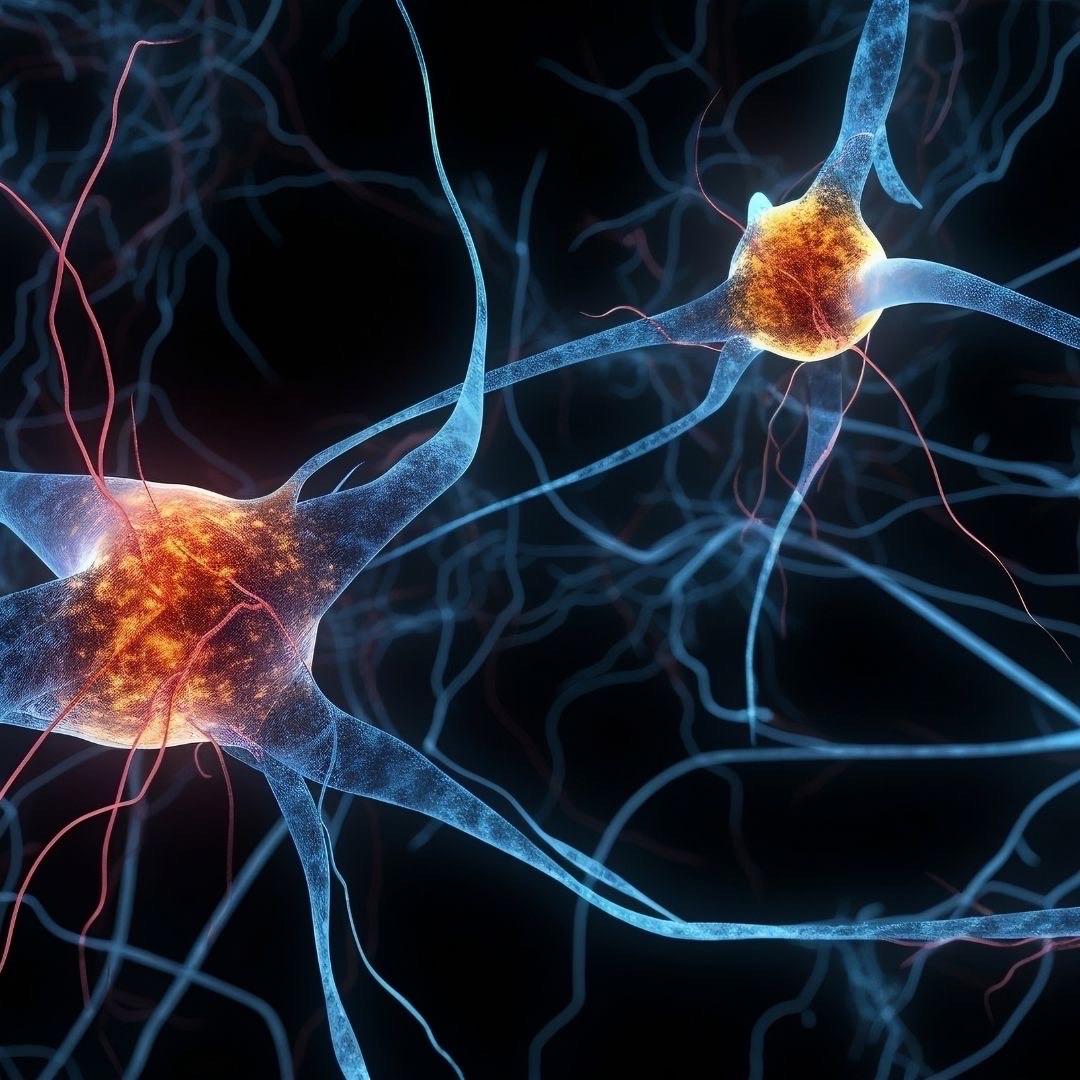
Scientists discover a new way brain cells "forget" information, which could help improve Parkinson's treatment
August 26, 2024
Researchers at Northwestern Medicine have discovered a new way brain cells "forget" connections that influence our behavior and habits, according to a study published in Cell Reports. These findings could also lead to better treatments for Parkinson's disease, says Dr. D. James Surmeier, the study's senior author and chair of Neuroscience.
In the study, Surmeier and his team explored how certain neurons in the brain's striatum—a crucial area for decision-making—are affected by changes over time. They focused on how these neurons weaken connections that are no longer actively used, a process triggered by a chemical messenger called nitric oxide.
The team found that when brain cells are active, an enzyme (PDE1) breaks down a molecule called cGMP, which affects how nitric oxide works. This process blocks the weakening of connections in the parts of the brain that are busy processing information, while connections in inactive areas are allowed to weaken. This "use it or lose it" mechanism shows how the brain adapts by discarding unused pathways.
Interestingly, in a mouse model of Parkinson's disease, the researchers observed that this nitric oxide signaling was reduced, leading to less weakening of unused connections. However, they found that by restoring the balance of two key brain chemicals, dopamine and acetylcholine, they could revive this process, suggesting a potential new treatment approach for Parkinson's.
Moving forward, Surmeier and his team plan to continue studying how the brain's adaptability is affected in Parkinson's disease and explore new ways to manipulate nitric oxide signaling, which could offer new strategies for treating the disease.
Comments (0)
Loading comments...