


Joint efforts are being made to automate ANPD001 cell therapy production for Parkinson’s
January 10, 2025
 LeahJS
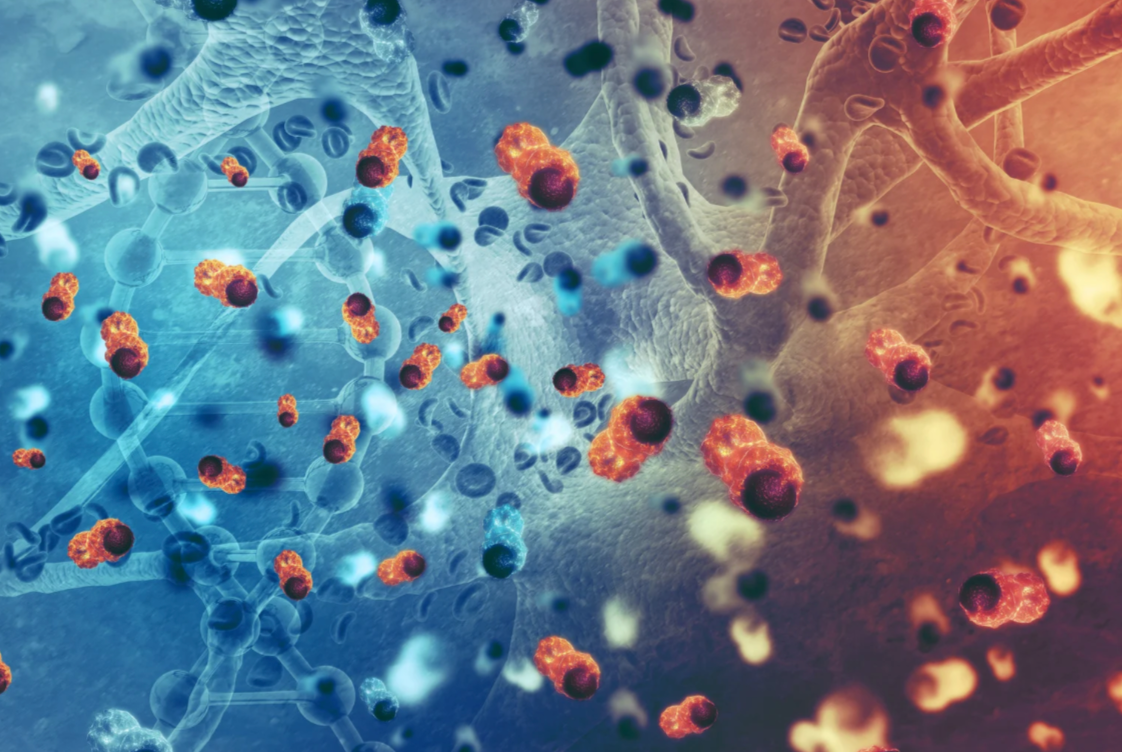
Mytos and Aspen Neuroscience are partnering to improve the manufacturing process for ANPD001, Aspen’s experimental cell therapy for Parkinson’s disease. The collaboration will incorporate Mytos’ iDEM automated cell culture technology into Aspen’s new facility in Torrey Pines, California. This automation aims to enhance the efficiency and scalability of producing autologous dopaminergic neuronal precursor cells (DNPCs), which are critical for the therapy.
ANPD001 uses a patient’s own cells to replace the dopamine-producing neurons lost in Parkinson’s. The process begins with collecting skin cells from the patient, reprogramming them into induced pluripotent stem cells (iPSCs), and guiding their development into DNPCs. These precursor cells mature into functional neurons when surgically implanted into the brain. Because the therapy uses the patient’s cells, it reduces the need for immunosuppressive drugs.
The production of these cells is traditionally labor-intensive and complex. Mytos’ iDEM technology streamlines this by combining cell handling, mechanical control, and advanced imaging to automate multiple steps. This system allows for simultaneous production of several cell batches, reducing the need for extensive staffing and facility expansion as demand for cell therapies grows.
Leaders from both companies emphasize the potential of iDEM technology to transform personalized cell therapy manufacturing. Ali Afshar, PhD, Mytos’ CEO, highlighted the benefits of accelerating ANPD001’s scale-up, while Aspen’s Thorsten Gorba, PhD, noted the platform’s ability to reduce labor and increase production capacity.
ANPD001 is being tested in the ASPIRO Phase 1/2 trial (NCT06344026) at five U.S. sites in people aged 50–70 with moderate to severe Parkinson’s. The study will evaluate the therapy’s safety, tolerability, and effectiveness in reducing symptoms, along with cell survival for up to five years after transplantation.
Comments (0)
Loading comments...