


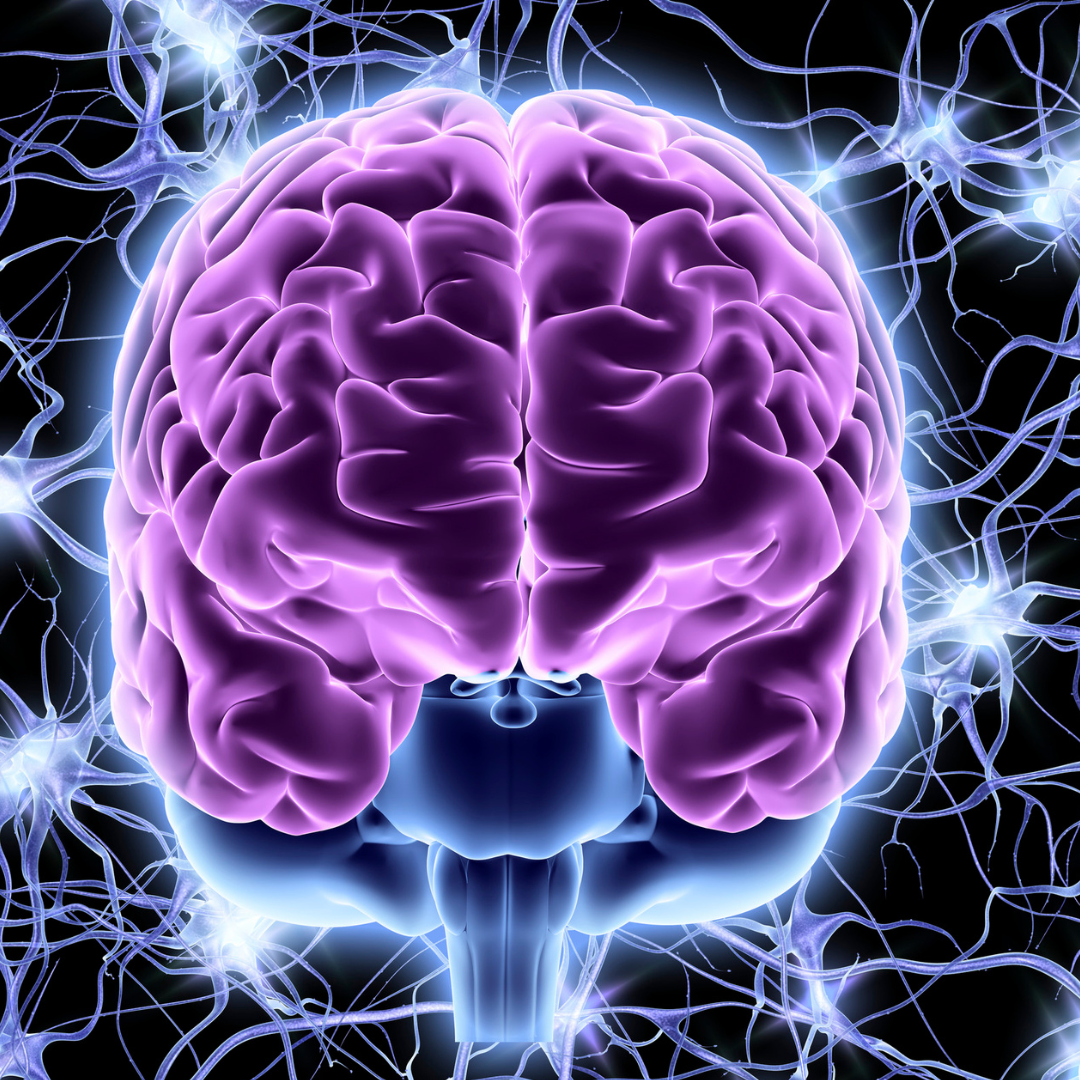
New research explains how blocking cell death could help stem cells repair the brain
July 19, 2026
Regenerative medicine has long held the promise of repairing the brain by replacing lost neurons with healthy new ones grown from pluripotent stem cells. These specialized cells have the unique ability to turn into any cell type in the human body, offering a potential way to restore function in various neurological conditions. However, scientists face a major hurdle when transplanting these cells into the brain: the vast majority of the transplanted cells die shortly after the procedure. This high mortality rate severely limits how well the new cells can integrate into existing brain networks and help the brain heal.
A review article published in the journal Cell Death and Disease by researchers Ouye Chen, Kelvin K. Hui, Fabian Raudzus, and Jeffrey T. Henderson explores the exact biological mechanisms behind this cell loss and outlines how scientists can intervene. When stem cells are prepared and injected into the brain, they experience immense physical stress, a sudden loss of connection with neighboring cells, and exposure to a hostile, inflamed environment inside the damaged tissue. These harsh conditions trigger internal self-destruct programs within the transplanted cells, leading to different forms of regulated cell death.
To overcome this problem, the scientific community is focusing on ways to modulate, or precisely control, these cell death pathways. By using specific chemical compounds or genetic adjustments, researchers can temporarily block the signals that tell the transplanted cells to die. Protecting the cells during the critical initial days after transplantation gives them the time they need to adapt to their new environment, sprout connections, and successfully blend into the surrounding brain tissue.
Successfully keeping transplanted stem cells alive changes the focus of regenerative treatments from merely delaying damage to actively rebuilding brain structure. As researchers refine these methods to control cell death pathways, the efficiency of stem cell therapies is expected to improve significantly. This progress brings science closer to providing reliable, long-term restorative therapies for people living with complex neurological conditions.
Comments (0)
Loading comments...