


The Brain’s "Idle Mode" is Set Too Low
January 26, 2026
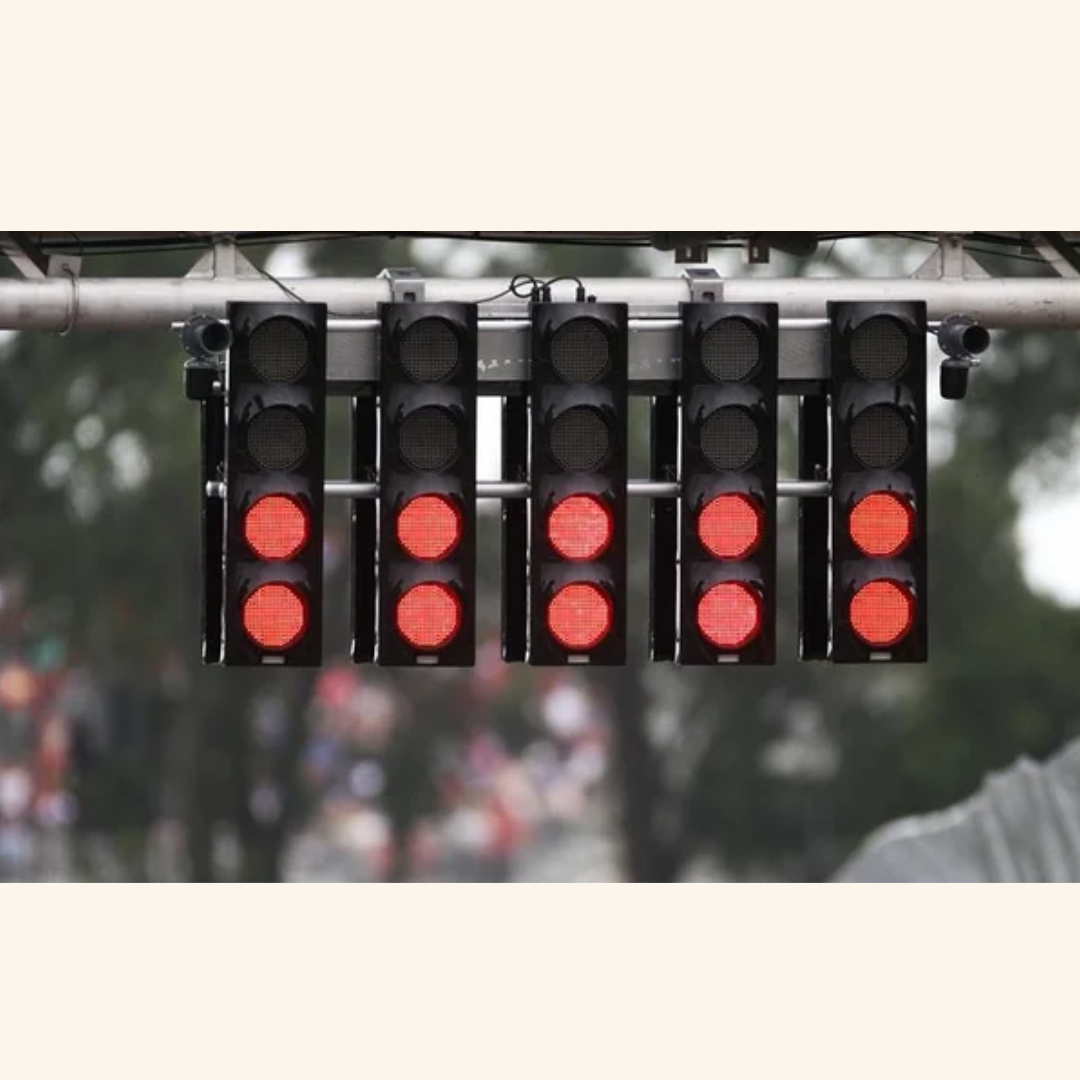
To understand this study, imagine your brain is like a high-performance car sitting at a red light. Even though the car is not moving, the engine is still humming. It is idling, ready to pounce the second the light turns green. That "hum" is what scientists call resting-state activity. It is the brain keeping the engine warm so it can react instantly.
This new study shows that in Parkinson's, that idle hum is simply too quiet in the specific areas responsible for movement. The engine isn't broken, but the idle speed is set so low that the car threatens to stall when you try to hit the gas.
The researchers found the volume was turned down in two critical departments. First, there is the Supplementary Motor Area. Think of this part of the brain as the Starter Motor. Its entire job is to prepare you to move before you actually move. It is the part that plans the action. Because this area is under-active, it explains that frustrating hesitation or "freezing" sensation. You want to walk, but the Starter Motor is struggling to turn over.
The second area is the Putamen. If the first area is the Starter, the Putamen is the Automatic Gearbox. It regulates smooth, automatic movements—the things you shouldn't have to think about, like swinging your arms or maintaining a steady pace. The study confirms that this gearbox is also humming too quietly.
This is why everything feels like a manual effort. Because the brain’s automatic "idle" mode is dialled down, you have to use conscious effort to override it. You are effectively having to push the car to get it moving, rather than just tapping the accelerator. The good news is that by proving exactly where the idle is low, scientists can stop looking at the whole engine and focus on tuning these specific parts.
Why This Matters
For years, science has known that dopamine is the fuel we are missing. But this study confirms exactly where the engine is sputtering. By pinpointing the Left Supplementary Motor Area, for instance, we better understand why initiating movement—that first step—is often the hardest. The part of the brain responsible for planning that step is simply too quiet.
This robustness in the data is good news. It gives future researchers a solid target. If we know exactly which circuits are under-active, future therapies (like non-invasive brain stimulation) can stop guessing and start aiming directly at these specific coordinates to turn the lights back on.
Comments (0)
Loading comments...