


How Dr Matthew Phillips uses metabolic flexibility to support brain health in Parkinson's
August 27, 2026
 Beatrice
When examining neurological conditions, traditional research has largely focused on managing outward signs and neurotransmitter pathways. Dr Matthew Phillips, a neurologist and Director of Neurology at Waikato Hospital in New Zealand, approaches brain health from a practical energetic foundation. Having followed his clinical work and research into metabolic therapies closely over the years, and having had the privilege of interviewing him twice, his insights offer a clear way to understand how biological power drives human movement and vitality.
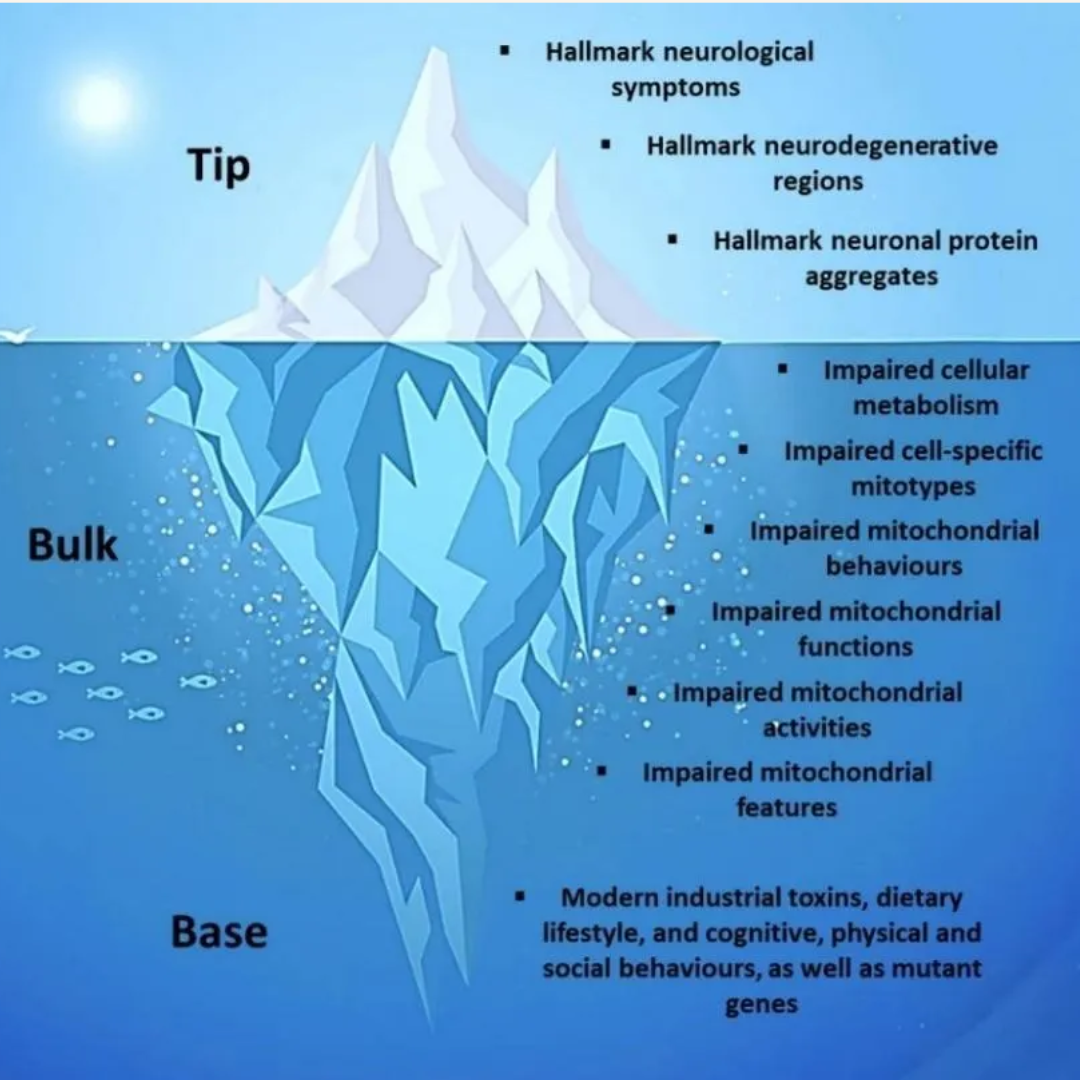
At the core of Dr Phillips’ work is the idea that the brain is an extraordinary consumer of energy. Although the human brain accounts for only about two per cent of total body weight, it consumes roughly twenty per cent of the body's daily fuel. Inside our brain cells sit tiny power stations called mitochondria, which process the nutrients we eat and the oxygen we breathe into steady biological power.
A central concept highlighted in Dr Phillips' writing is metabolic flexibility. To understand this in simple terms, imagine a modern hybrid vehicle that runs seamlessly on electricity for town driving, but shifts effortlessly to petrol when extra power is required. In a healthy state, human brain cells possess a similar ability: they can burn glucose from carbohydrates, or they can switch to burning ketones and fatty acids derived from fats.
When metabolism becomes inflexible, cells lose the capacity to switch fuels smoothly. If a cell relies almost entirely on glucose but faces difficulties in processing it efficiently, an energetic bottleneck occurs. Over time, this shortfall in cellular power creates stress across delicate neurological networks.
This principle is especially important for people with Parkinson's. The specialised neurons involved in coordinating physical movement and balance have some of the highest energy demands in the entire central nervous system. Because these cells work continuously to maintain complex electrical firing patterns, they are among the first to feel any disruption when cellular power generation falters.
Dr Phillips suggests that training the brain to regain metabolic flexibility could represent a practical, supportive approach for neurological wellbeing. Rather than viewing the brain as an isolated system running on a single fuel track, we can actively encourage our cells to tap into alternative energy pathways such as ketones.
Cellular energy networks respond directly to regular daily signals. Structured physical exercise, periods of fasting or balanced whole-food nutrition, restorative sleep, and good daily pacing stimulate mitochondria to clear out worn parts and generate energy more effectively.
By looking at Parkinson's through the lens of whole body metabolism and cellular fuel, Dr Phillips provides an objective, grounded perspective: supporting the body's natural ability to switch and burn clean energy is a powerful, proactive way to nurture long term neurological resilience.
Comments (0)
Loading comments...