


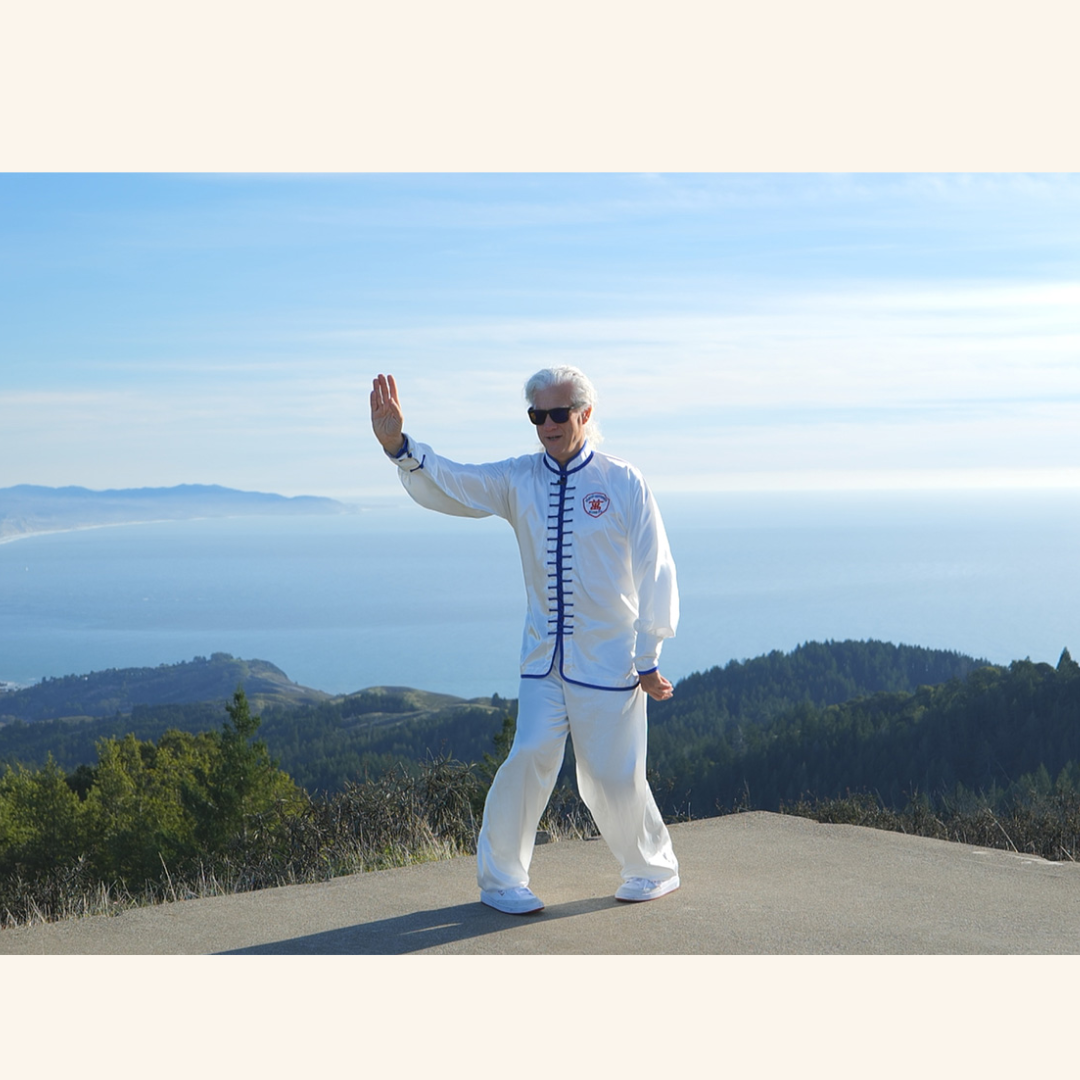
Moving Towards Better Sleep: How Ancient Exercises May Help people with Parkinson's
July 21, 2025
For individuals living with Parkinson's disease, sleep problems are a common and frustrating reality, often significantly impacting their daily lives and overall well-being. While many treatments focus on motor symptoms, addressing sleep issues is crucial for a better quality of life. Recent research published in the journal Frontiers explored whether an ancient Chinese exercise, Yijinjing, could offer a natural way to improve sleep for those with PD.
What is Yijinjing?
Yijinjing, also known as the "Muscle and Tendon Change Classic," is a traditional Chinese exercise form that combines slow, gentle movements, stretching, and controlled breathing. It's similar to Tai Chi or Qigong, focusing on improving physical and mental harmony.
The Study: A Look at Yijinjing's Impact
Researchers conducted a controlled study involving 96 Parkinson's patients. These patients were divided into three groups:
Exercise Group: Practiced Yijinjing-inspired exercises.
Music Therapy Group: Received music therapy.
Control Group: Did not receive any specific intervention.
The participants engaged in their respective activities for eight weeks. To measure the impact, the researchers used standard questionnaires to assess sleep quality (Pittsburgh Sleep Quality Index - PSQI), cognitive function (thinking and memory), and motor symptoms (movement difficulties). They also used a technique called functional near-infrared spectroscopy (fNIRS) to look at brain activity changes.
Key Findings: A Promising Connection
The results were encouraging, particularly for the Yijinjing exercise group:
Significant Sleep Improvement: The patients who practiced Yijinjing exercises showed a substantial improvement in their sleep quality. This was a statistically significant finding, meaning it's highly unlikely to have happened by chance.
Brain Changes Observed: The fNIRS scans revealed positive changes in certain areas of the brain for the exercise group. These areas are linked to movement control and cognitive functions, suggesting that Yijinjing might be helping by promoting beneficial adjustments in the brain.
Modest Impact on Other Symptoms: While sleep was the most significantly improved area, the exercise group also showed some moderate, though not statistically significant after rigorous correction, improvements in their thinking abilities and motor symptoms.
In comparison to the control group, the exercise group experienced a much greater reduction in their sleep problems. However, the improvements in sleep were not statistically better than those seen in the music therapy group, indicating that music therapy may also offer some benefits.
What Does This Mean for Parkinson's Patients?
This study suggests that incorporating Yijinjing-inspired exercises into a daily routine could be a valuable non-drug approach for Parkinson's patients struggling with sleep disorders. The preliminary evidence of brain changes also hints at the potential for these exercises to have a deeper, positive impact on brain health in PD.
Looking Ahead
While these findings are promising, the researchers emphasize that Yijinjing training could be a beneficial addition to comprehensive care plans for Parkinson's disease. As with any new therapy, it's important for individuals to discuss this with their healthcare providers to determine if it's a suitable option for their specific needs.
This research opens the door for further exploration into how traditional exercises can support the well-being of people living with Parkinson's, offering hope for more restful nights and an improved quality of life.
Comments (0)
Loading comments...