


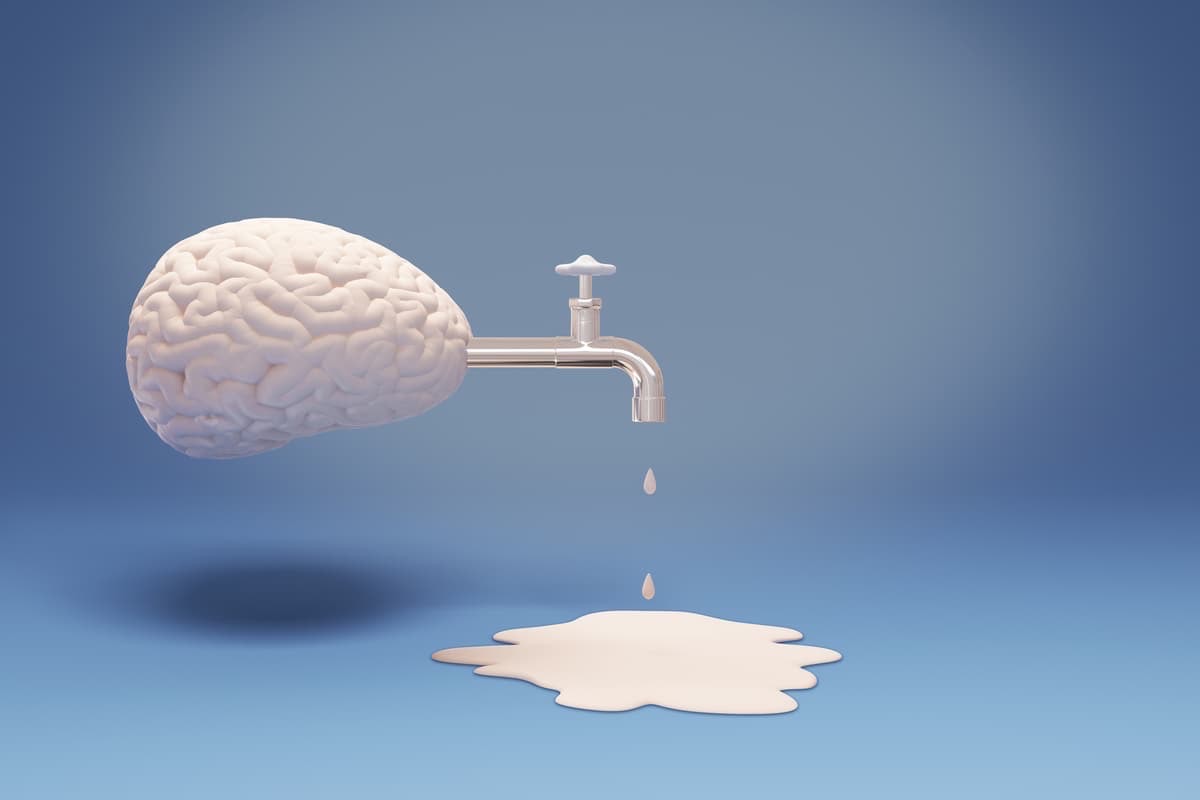
Common drug restores youthful function to clean up aging brains
August 17, 2024
A drug commonly used to induce labor in pregnant women has been found to reactivate small waste-clearing pumps in the brains of elderly mice, potentially offering a new approach to combating Alzheimer's, Parkinson's, and general cognitive decline. Normally, our brains accumulate excess proteins from the energy-intensive activities between neurons, which need to be cleared out to maintain proper brain function. When this waste removal process falters, it can lead to the formation of beta-amyloid and tau protein tangles, characteristic of Alzheimer's, or the buildup of alpha-synuclein associated with Parkinson's.
In 2012, Danish neuroscientist Maiken Nedergaard discovered a system that uses cerebrospinal fluid (CSF) to clear waste from the brain, naming it the glymphatic system. Recently, Nedergaard and her team explored the system further, focusing on lymph vessels known as lymphangions. These small pumps in the neck help move waste-laden CSF from the brain into the lymphatic system, where it eventually reaches the kidneys for processing.
Through advanced particle tracking in mouse models, the researchers observed that as the mice aged, the activity of these pumps diminished, resulting in 63% less waste being cleared from the brains of older mice compared to younger ones, which could contribute to cognitive decline.
Curious whether the pumps could be reactivated, Nedergaard noted that lymphangions are lined with smooth muscle cells, leading the team to test prostaglandin F2α—a drug that targets these cells and is widely used to induce labor. When administered topically to older mice, the drug successfully restored the pumps' activity, bringing waste clearance back to levels seen in younger mice.
If these results translate to humans, this discovery could pave the way for new treatments to combat cognitive impairment and neurodegenerative diseases.
“These vessels are conveniently located near the surface of the skin, we know they are important, and we now know how to accelerate function,” said study co-author Douglas Kelley, from the University of Rochester's Hajim School of Engineering and Applied Sciences. “One can see how this approach, perhaps combined with other interventions, could be the basis for future therapies for these diseases.”
Comments (0)
Loading comments...