


Oxford scientist explains how stem cells grown in a dish are unlocking the secrets of Parkinson's
June 1, 2026
An extraordinary scientific breakthrough is happening inside laboratory rooms at the University of Oxford, where researchers are successfully growing human brain cells from simple skin samples. This cutting-edge method allows scientists to study the intricate inner workings of Parkinson's in ways that were previously impossible.
The primary challenge with studying Parkinson's has always been a lack of access. The specific dopamine-producing cells affected by the condition are located deep inside the midbrain, right in the center of the structure, meaning they cannot be safely reached or looked at in living people. For generations, researchers could only study these precious cells post-mortem, which left huge gaps in understanding how the condition progresses over time.
Now, innovative cellular reprogramming technology is changing everything.
Rewinding Time on Human Cells
The process sounds like science fiction, but it is a reality being driven forward by researchers like Dr Charmaine Lang. The methodology begins with taking a tiny skin biopsy from an individual. Scientists then introduce specific growth factors to essentially rewind the biological clock of these skin cells, turning them back into flexible, blank-slate stem cells.
Once the cells are reset, researchers use a precise biochemical recipe to guide them to grow into dopamine-producing brain cells. The entire process requires immense patience, taking up to two months to create the initial stem cell and another two months to grow the specific brain cells needed for experiments.
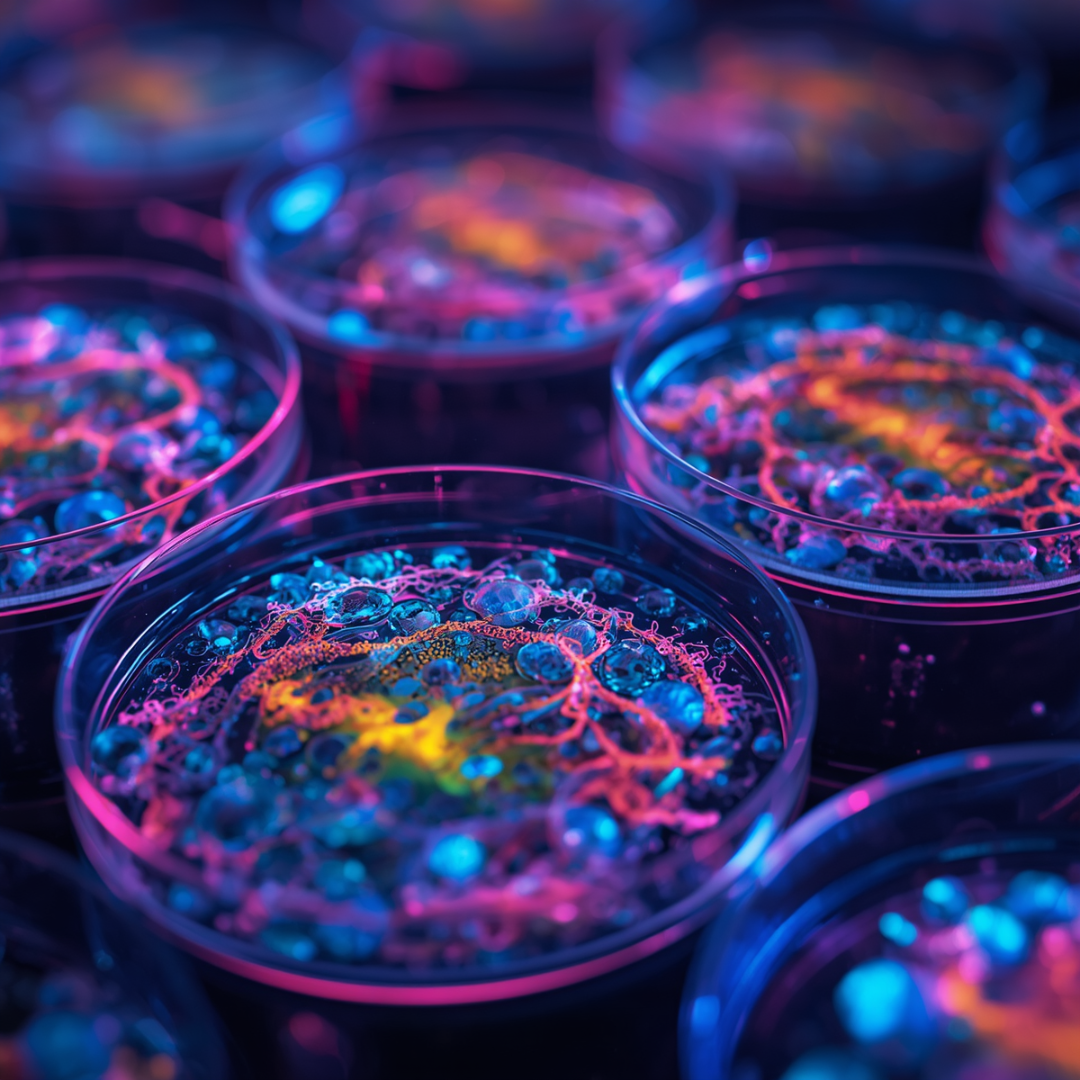
Because these brand-new brain cells carry the exact genetic background of the person they came from, they inherently display the biological features of Parkinson's. This means scientists can observe the real-world complexities of the condition unfolding right inside a petri dish.
Spotting the Early Signs
While the grown brain cells are biologically young, their value lies in how they change over time. Instead of only examining the final stages of cell loss, scientists can watch the cells develop over weeks and months. This long-term window allows them to see when and how problems begin to emerge.
Inside the laboratory, researchers use these models to investigate vital cellular functions. They test how efficiently the cells generate energy, how they cope with stress, and how their internal powerplants, known as mitochondria, are functioning. Crucially, they can also track the buildup and movement of alpha-synuclein, a key protein known to accumulate and spread through the brain in Parkinson's.
Building Mini-Brains and Support Networks
Human brain cells do not exist in isolation, which is why research is moving toward building more complex networks. Dopamine neurons are normally surrounded by vital support cells called astrocytes. Current theories suggest that Parkinson's might not just be a problem with the neurons themselves, but a breakdown in communication between the neurons and their surrounding support system.
To replicate this environment, scientists are creating complex 3D structures called organoids, sometimes referred to as mini-brains, alongside microfluidic systems where different cell types grow in connected chambers. These advanced models generate vast amounts of data very quickly. To make sense of it all, researchers utilize artificial intelligence to sift through thousands of single-cell sequences and images, helping them rapidly identify which proteins or pathways are misbehaving.
Fast-Tracking Treatments Through Repurposing
Beyond understanding the biology, these living models serve as an ideal testing ground for potential therapies. Creating a brand-new drug from scratch is incredibly expensive and takes years to navigate clinical trials. To speed up this process, researchers use the cells to screen existing medications that are already approved for other conditions, such as cancer or immune disorders.
This method, called drug repurposing, means the safety profile of the medication is already well-known. If an existing drug is found to protect dopamine neurons or improve cell communication in the dish, it can be fast-tracked into clinical trials far more quickly and cheaply than a completely new compound.
A Collaborative Future
The ultimate goal of this research is to move away from treating Parkinson's as a single, uniform condition. Because the condition presents differently in every individual, subtyping people based on their specific biological cell behavior could pave the way for precision medicine. In the future, doctors might test a variety of treatments on a person's grown cells first to see exactly what works before prescribing it to the individual.
The Parkinson's research community relies heavily on collaboration, working hand-in-hand with patient groups who regularly visit the laboratories to view the progress firsthand. For the scientists spending long nights at the laboratory bench, interacting with the community provides a vital reminder of the core purpose behind their work. The collective dream for the next decade is to discover a genuine disease-modifying treatment that can finally slow down or alter the progression of the condition.
This is a super interesting podcast by the North of Scotland Parkinson’s Research Podcast Series.
Comments (0)
Loading comments...