


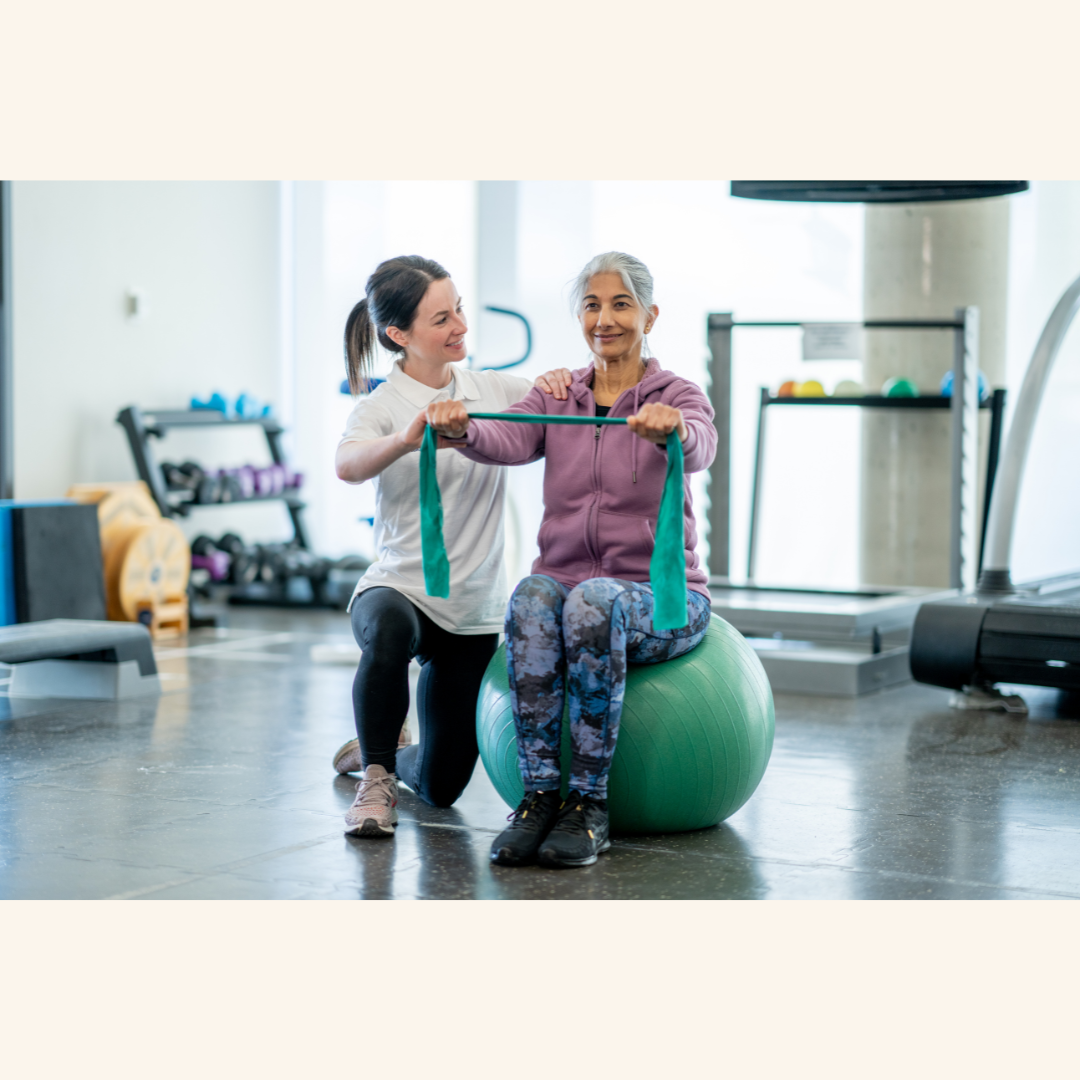
Could Specialised Physiotherapy Help You Live Longer with Parkinson’s?
July 23, 2025
It might sound surprising, but new research out of the Netherlands suggests that physiotherapy—when it’s tailored specifically to Parkinson’s—could do more than help you move better. It might actually help you live longer.
Researchers followed nearly 38,000 people with Parkinson’s over a decade. What they discovered was striking. Those who received physiotherapy from specialists trained in Parkinson’s care—through a national programme called ParkinsonNet—were significantly more likely to still be alive at the end of the study than those who saw general physiotherapists without Parkinson’s-specific training.
The numbers speak volumes. About 28% of those treated by ParkinsonNet physiotherapists had died during the study period, compared to 42% in the usual-care group. And even after adjusting for other factors such as age, medication use, and overall health status, people receiving the specialised care still had an 11% lower risk of dying.
So, what makes this kind of physiotherapy so different?
It’s not just about stretching muscles or working on general fitness. Specialist Parkinson’s physiotherapists are trained to understand the full picture of the condition. They know how Parkinson’s affects walking, balance, posture, and coordination—and how to tailor exercises and strategies to those specific challenges. They’re also trained to spot early signs of trouble, like increased fall risk or changes in gait, and to intervene before these lead to serious complications. The Dutch ParkinsonNet programme also ensures that therapists regularly update their knowledge, work closely with other professionals, and treat a high volume of Parkinson’s patients, giving them valuable, hands-on experience.
Interestingly, the benefit of specialist physio seemed strongest for people who were already struggling with motor symptoms like walking or balance problems. The effect was slightly less in people taking antidepressants or dealing with mental health challenges—suggesting that a person’s overall wellbeing and symptom profile can influence how much they benefit.
While this wasn’t a randomised controlled trial—it used health insurance data and compared groups based on real-life treatment choices—the size of the study and the careful analysis give the findings real weight. It adds to growing evidence that tailored, condition-specific care can make a meaningful difference—not just in quality of life, but in how long people live.
The ParkinsonNet model has already caught international attention for reducing falls, hospital stays, and overall healthcare costs. This new data strengthens the case for similar networks in other countries—especially in places like the US and UK, where access to specialist services can be patchy.
So, what does this mean for people living with Parkinson’s now?
In short, if you’re seeing a physiotherapist, it’s worth checking whether they have specialist Parkinson’s training. It’s also a reminder that care for Parkinson’s isn’t just about medication or future breakthroughs. Sometimes, the most impactful things are already available—just underused.
And while a physiotherapy session may not sound as dramatic as a brain implant or gene therapy, this study is a powerful nudge: consistent, expert care can help you live better—and maybe even longer.
Comments (0)
Loading comments...