


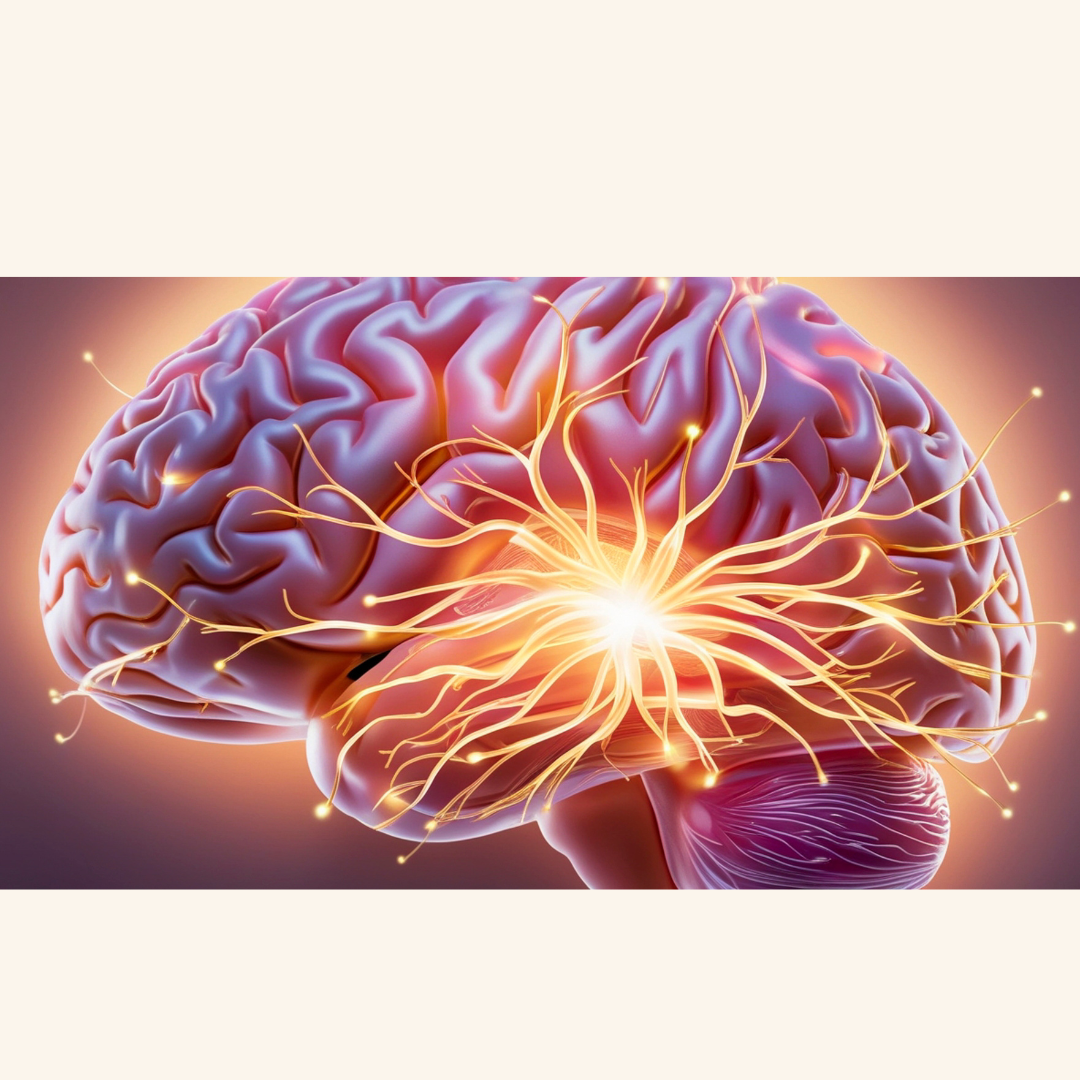
The Brain's Hidden Conversations: The Crucial 'Sorting Office' That Fails in Parkinson’s
December 2, 2025
For years, Parkinson’s disease has baffled scientists because the damage often begins silently, deep within the brain's communication network, long before people show clear symptoms like tremors. The big news from Johns Hopkins Medicine is that researchers have finally used a groundbreaking technique to peer into these hidden conversations, discovering a crucial stage in brain cell communication that seems to be the very point where the illness starts for many patients.
The discovery centres around a tiny 'sorting office' inside the brain cells. When this office gets stressed, it jams up, stopping cells from talking properly. Since most Parkinson’s cases are not inherited, this new insight—showing exactly where the communication fails—gives us a brand new and specific target for developing future medicines.
The Problem: When Brain Cells Stop Talking
Parkinson’s disease is fundamentally a communication failure. Our brain cells, called neurons, talk to each other across microscopic gaps called synapses. When a cell sends a message, it releases chemical packets, known as neurotransmitters, across this gap to the next cell. The entire process of sending this message, receiving it, and getting ready for the next one, happens in less than a thousandth of a second. This speed is what has made it impossible to study in detail.
The problem in Parkinson’s often involves these brain cells becoming stressed or overloaded. If they cannot quickly and efficiently get ready for the next conversation, the entire system slows down, leading to the gradual loss of these vital cells.
The Breakthrough: Zap and Freeze
To overcome the incredible speed of this brain chat, the research team created an ingenious two-step method that they call 'zap-and-freeze.'
The Zap: First, they stimulate the brain cell with a tiny, precise electrical pulse. This is done to perfectly mimic a real brain signal, forcing the cell to release its chemical messengers across the synapse.
The Freeze: Crucially, immediately after this zap—in a fleeting few milliseconds—they blast the tissue with cold, freezing it instantly to a temperature of around minus $200$ degrees Celsius.
This rapid freezing stops all movement in the cell. It's like having a super-fast camera that takes perfectly focused snapshots of the cell’s internal machinery at every single fraction-of-a-second stage of the communication process. These snapshots revealed a stage of brain activity that had never been clearly seen before.
The Hidden 'Sorting Office'
By analysing these extremely detailed images, the scientists confirmed a critical step: once a brain cell releases its chemical messengers from their tiny storage bubbles, the empty bubbles have to be quickly recovered and recycled to prepare for the next signal.
The research showed that these empty bubbles pass through a specific internal staging area, which the scientists have effectively identified as a 'sorting centre' or temporary holding space. This centre’s sole job is to process and recycle the empty communication bubbles before they are refilled with new chemical messengers.
The significant detail here is that the scientists believe this specific sorting centre is extremely sensitive to the kind of cellular damage and stress associated with non-inherited Parkinson’s. If the proteins or components that run this sorting centre become damaged—perhaps due to aging, environmental factors, or general cell stress—the system jams. The brain cell can no longer recycle its communication bubbles fast enough, leading to a bottleneck that overwhelms the cell and starts the pathway to disease.
The Future of Treatment: Protecting the Network
This work is truly a breakthrough because it shifts the focus of research. Instead of simply studying the final stages of the disease where cells are already dying, we can now look at the very earliest moment of failure: the breakdown in communication.
The "zap-and-freeze" method has clearly identified the physical structure—this sorting centre—that is most vulnerable. Future drug development programmes can now be designed with a very specific goal: to create medicines that protect or repair this crucial recycling mechanism at the synapse.
By strengthening the brain’s ability to clear and recycle its communication bubbles, scientists hope to slow down or even prevent the stress that pushes these vulnerable neurons over the edge. This moves treatment thinking from simply replacing the missing chemical (like dopamine) to actively preserving the function and life of the neurons themselves, marking a significant step towards disease-modifying therapies.
Comments (0)
Loading comments...