


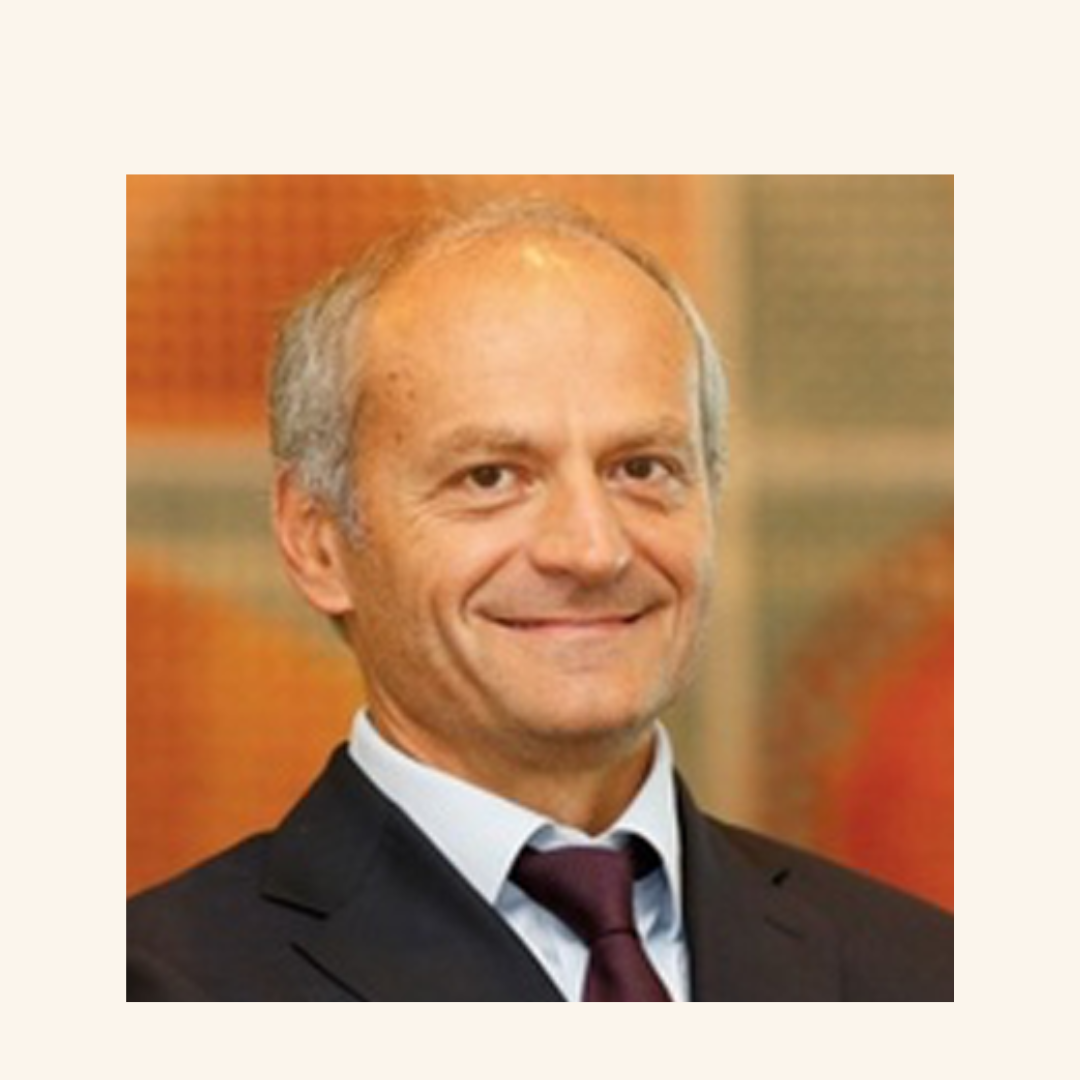
Professor Angelo Antonini explains why Parkinson’s starts in the body before reaching the brain
July 29, 2026
 Beatrice
Professor Angelo Antonini from the University Hospital of Padua in Italy highlights why experts are completely rethinking how Parkinson's works and how it should be treated.
For decades, medical science focused almost entirely on the brain when thinking about Parkinson's. The standard view was that it was simply a problem caused by losing dopamine producing cells in a specific part of the brain called the substantia nigra. Professor Antonini points out that if you listen to people lived experience, a very different picture emerges.
Long before the first tremor or stiffness develops, many people experience non motor symptoms for years. These include severe constipation, vivid sleep disturbances such as rapid eye movement sleep behaviour disorder, loss of smell, and sudden drops in blood pressure when standing up.
Researchers now find abnormal protein clumps, known as misfolded alpha synuclein, spread throughout the rest of the body, including the skin, the colon, and the vagus nerve. By the time noticeable movement difficulties begin, up to 70 percent of those vital dopamine brain cells are already gone. Professor Antonini explains that treating Parkinson's purely as a brain shortage is like attempting to fix an entire city power grid by swapping out a single lightbulb.
Gut first versus brain first routes
The interview explores how Parkinson's takes different paths in different people, which explains why symptoms vary so much.
In the gut first route, the misfolded proteins appear to start in the digestive tract's nervous system. From there, they travel up the long vagus nerve directly to the brainstem. People with this type often experience sleep problems and body regulation issues years before any physical movement changes happen. Professor Antonini and his research group have actually found these abnormal proteins inside small bowel tissue samples from people in the early stages of Parkinson's.
In the brain first route, physical movement changes like a tremor on one side of the body appear first, without early digestive or blood pressure disruptions.
To make tissue testing a regular diagnostic check in the future, clinics need fully standardized tests. Using sensitive methods like seed amplification assays, doctors hope simple skin samples or small mucosal swabs will soon allow standard laboratories to spot the condition reliably.
Catching the condition early like oncology
Professor Antonini compares the current approach to how medicine used to treat cancer. In oncology, doctors do not wait for a tumour to spread before starting care; they screen for it early and take action at Stage 0 or Stage 1. With Parkinson's, medicine has historically waited until the equivalent of Stage 4, after massive brain cell loss, before writing a first prescription.
Technology is getting close to finding signs of Parkinson's long before symptoms show up. Tests looking at skin biopsies and blood markers, such as neurofilament light chain or protein signals in microscopic fluid sacs, can reveal molecular clues years in advance.
However, Professor Antonini warns that early detection creates an ethical dilemma if we do not have treatments ready to slow or stop progress. Detection science is progressing rapidly, and therapies need to catch up. Clinical trials evaluating monoclonal antibodies like prasinezumab are currently underway to try to provide the first true disease modifying options.
Placing non motor symptoms at the centre of care
Although advanced care often revolves around controlling tremors and movement, non motor symptoms cause the most daily frustration and affect quality of life significantly. Memory slowdown, anxiety, body pain, and broken sleep are invisible and harder to measure than a visible tremor, which is why they have historically been overlooked.
Professor Antonini argues that clinical trials must change how they measure success. A medication should not be called a success if it improves walking speed but worsens hallucinations or blood pressure.
Interestingly, continuous drug delivery systems demonstrate that keeping dopamine levels stable throughout the day helps smooth out non motor changes alongside physical movement issues, showing that treating the whole person produces far better outcomes.
Choosing advanced therapies without head to head tests
When simple oral tablets no longer provide smooth daily control, several advanced options exist. Because few direct comparisons between these treatments exist in clinical trials, Professor Antonini recommends using clear guidelines, such as the 5 to 1 rule: if someone takes oral levodopa five or more times a day, has two hours of troublesome slow off time, or suffers one hour of involuntary movement daily, it is time to look at advanced therapies.
Choosing the right option depends entirely on the person:
Deep brain stimulation suits younger individuals with sharp cognitive health whose main challenge is severe tremor or fluctuating movement, and who are comfortable with brain surgery.
Intestinal gel pumps deliver exceptional stability directly into the small bowel, though this requires a permanent feeding tube through the abdomen, making it best for those with good home support.
Subcutaneous continuous infusions offer a newer middle option. They deliver continuous medication under the skin via a small pump without requiring major abdominal or brain surgery, giving people an effective way to keep their independence.
Parkinson's is an umbrella term, not a single condition
The interview concludes with what Professor Antonini considers the most critical unanswered question in neurology today. Parkinson's is not one single entity, but an umbrella term covering several distinct biological pathways that happen to end in similar movement difficulties. Someone with a GBA gene change experiences a different path than someone with a LRRK2 gene change or someone who develops gut first symptoms.
The goal for future care is precision medicine. Once researchers can map an individual's specific biological subtype, doctors will be able to match them immediately to targeted treatments before significant brain cells are lost.
Comments (0)
Loading comments...