


The Missing Link in the Gut-Brain Connection
January 7, 2026
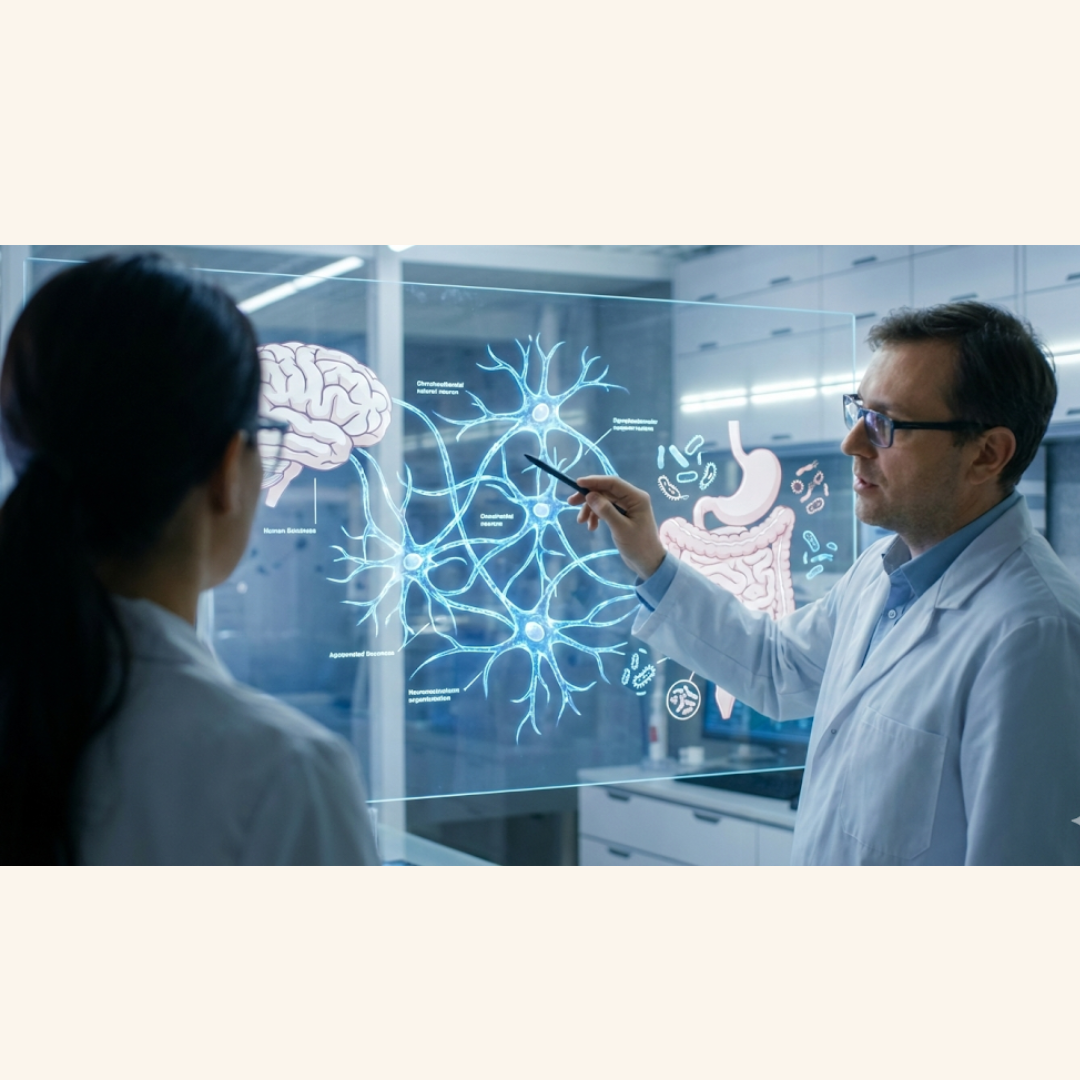
We have long known that the gut and the brain are in constant conversation. In the world of Parkinson’s research, this dialogue has often centered on the trillions of bacteria living in our digestive system—the microbiome. But a new review suggests we might have been focusing too much on the passengers and ignoring the vehicle itself. The study argues that the Enteric Nervous System (ENS), often called the "second brain," is not just a passive victim but a central player in how the condition develops and spreads.
The Overlooked Network
The ENS is a vast mesh of neurons lining the gastrointestinal tract, capable of operating independently from the brain in our skulls. For years, scientists observed that this network suffers damage in people with the condition, but it was often viewed as a side effect. This latest analysis flips that script. It proposes that the ENS is the critical bridge translating chaos in the gut into trouble for the brain.
The researchers highlight that while gut bacteria are undoubtedly important, they don't act on the brain directly. Instead, they communicate through this local neural network. When the ENS is healthy, it acts as a gatekeeper. But in Parkinson’s, this system appears to break down, becoming a superhighway for inflammation and toxic proteins to travel upwards.
From Bystander to Mediator
The study details how the breakdown happens. It points to specific chemical signals—short-chain fatty acids and serotonin circuits—that usually keep the gut’s nervous system humming. In this condition, however, these signals go awry. This disruption weakens the gut's lining and allows inflammation to take hold. More critically, the ENS seems to be the site where alpha-synuclein—the protein responsible for the condition’s signature clumps—starts to misfold and accumulate before potentially migrating to the brain.
This perspective shifts the focus from simply trying to change the bacteria (using probiotics or diets) to repairing the neural network they interact with. If the ENS is the mediator, then strengthening this "second brain" could be the key to stopping the signals of the condition before they ever reach the head.
A New Therapeutic Target
By reframing the gut’s role, this research opens new doors for treatment. Rather than just targeting the microbiome, future therapies might aim to protect or repair the enteric neurons themselves. Securing the health of this second brain could be the most effective way to safeguard the first.
Comments (0)
Loading comments...