


A New Study Shows That TMS Can Boost Walking Ability in People with Parkinson’s
August 25, 2025
 mister green
There’s fresh research offering promising insights into how transcranial magnetic stimulation (TMS) could help people with Parkinson’s improve their walking — especially when combined with regular physical exercise.
Published recently in the Annals of Neurology, the study was conducted in the United States in collaboration with researchers in Canada. It was a randomised, controlled clinical trial, which means participants were divided into groups and carefully monitored to ensure reliable results.
What the researchers wanted to know
Walking difficulties are very common in Parkinson’s, ranging from slow, shuffling steps to episodes of freezing, where the feet feel “stuck” despite wanting to move. The researchers wanted to see if combining treadmill training (a form of aerobic exercise) with TMS could help improve walking more than exercise alone.
How TMS works
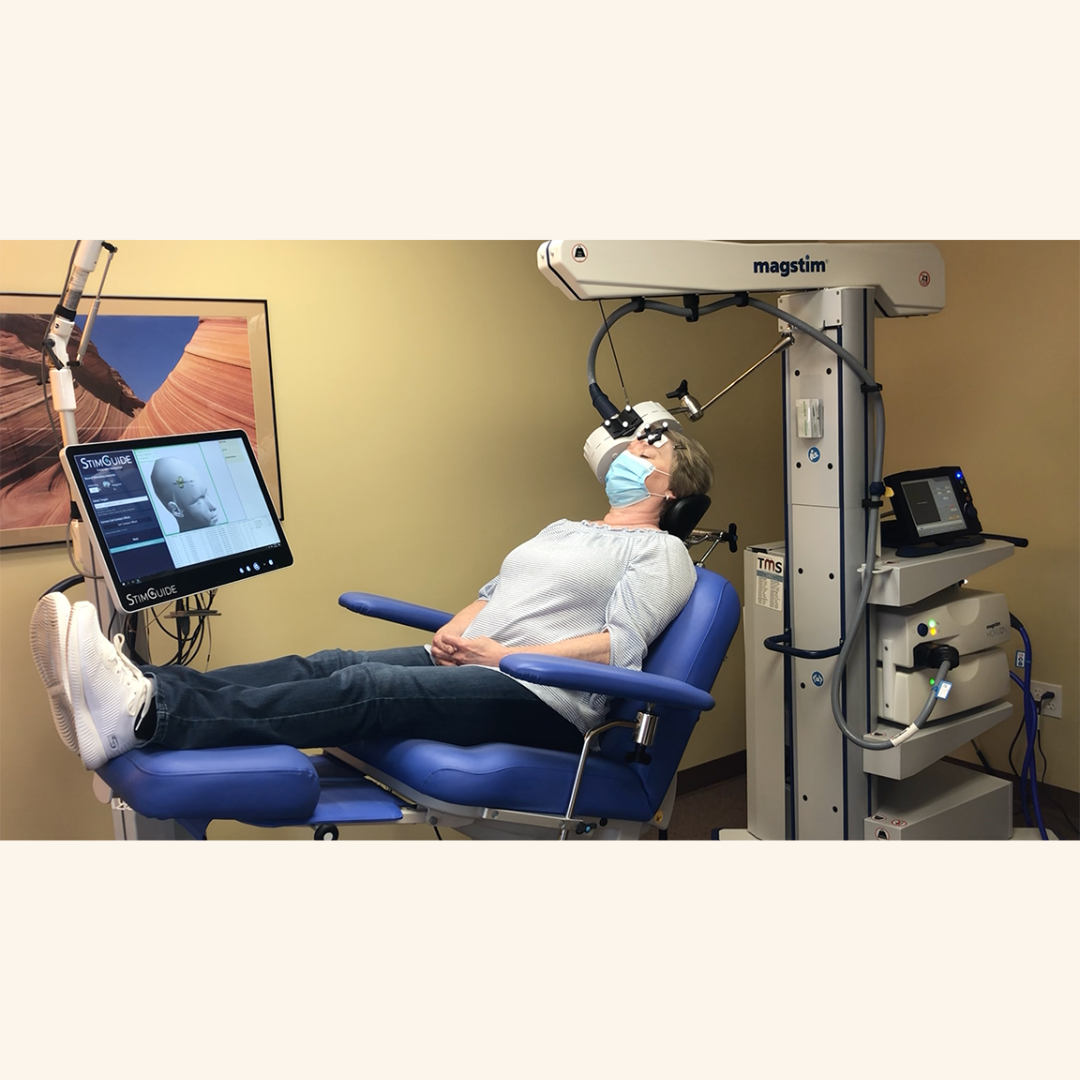
TMS is a non-invasive treatment that’s been around since the 1990s. It uses a device with a magnetic coil placed on the scalp. The coil sends small, controlled pulses of energy through the skull to stimulate specific areas of the brain.
In Parkinson’s, the coil is usually placed over the motor cortex — the area of the brain responsible for movement. By stimulating this region, TMS is thought to “wake up” underactive brain circuits, improving communication between the brain and the body.
A helpful way to picture it: imagine a city seen from above at night. Most neighbourhoods are brightly lit, but one area is dim and struggling. TMS acts like sending extra electricity to that area to “light it up” and improve function.
The study results
Participants were split into two groups:
One group did only treadmill training.
The other group combined treadmill training with TMS sessions.
The results were clear: both groups improved, but those who received TMS alongside exercise showed significantly greater gains in walking ability. This suggests that TMS can boost the benefits of physical training by strengthening brain connections involved in movement.
Where TMS fits in Parkinson’s care
TMS isn’t a replacement for other treatments, and it doesn’t work as dramatically as deep brain stimulation (DBS) — a surgical procedure that implants electrodes directly into the brain. DBS tends to have stronger effects but also comes with greater risks and is not suitable for everyone.
TMS, by contrast, is non-invasive, painless, and typically involves a series of short sessions — often 10 initial treatments to “activate” the area, followed by maintenance sessions every few months.
In real-world practice, TMS might be considered for:
People who want to improve walking or motor function but aren’t ready to increase medication.
Those experiencing freezing episodes or gait issues despite ongoing physiotherapy.
People delaying DBS surgery but needing additional symptom support in the meantime.
Certain Parkinson’s-related challenges, like pain, depression, or even cognitive changes — though these uses are still being researched.
The bottom line
This study adds to growing evidence that TMS could become an important tool for managing Parkinson’s symptoms, particularly walking difficulties. While it’s not yet a standard treatment, combining TMS with regular exercise may offer a new, effective way to improve mobility and quality of life.
As always, more research is needed to refine protocols, understand long-term benefits, and figure out who is most likely to respond well. But for now, it’s another encouraging step towards expanding treatment options for people living with Parkinson’s.
Comments (0)
Loading comments...