


PD Parlor on New Infusion Therapies for Parkinson's
August 21, 2025
 mister green
At the August 2025 PD Parlor, movement disorder neurologist Dr. Pria Cardone introduced two new treatment options for Parkinson’s Disease that are delivered through infusion pumps worn on the body. These pumps provide an alternative to oral medication, helping reduce motor fluctuations (like wearing off) and offering more consistent symptom control. While the idea of delivering medicine through the skin isn’t new, these two options represent a leap forward in convenience and customisation.
The first option, called Viov, delivers a continuous infusion of foslevodopa/foscarbidopa, which is essentially a liquid gel form of levodopa-carbidopa. This pump runs 24 hours a day and is worn directly on the skin, with the medication delivered just below the surface via a tiny needle. The pump is about the size of a smartphone and can be carried discreetly in a pocket, pouch, or vest. Patients can adjust the rate of infusion depending on what they’re doing — for example, increasing it during exercise and decreasing it during sleep. Extra doses can also be given manually if needed.
Viov is particularly useful for people whose oral medication is no longer lasting long enough or is causing side effects. Since it bypasses the digestive system entirely, it avoids problems caused by poor absorption due to constipation or delayed stomach emptying — both common in Parkinson’s. The main downside so far has been skin irritation at the infusion site, occasionally severe enough to need antibiotics. To help prevent this, some doctors are recommending skin prep with salicylic acid wash, though this isn’t yet backed by formal data. The pump settings and dose adjustments are made during in-person visits with the doctor.
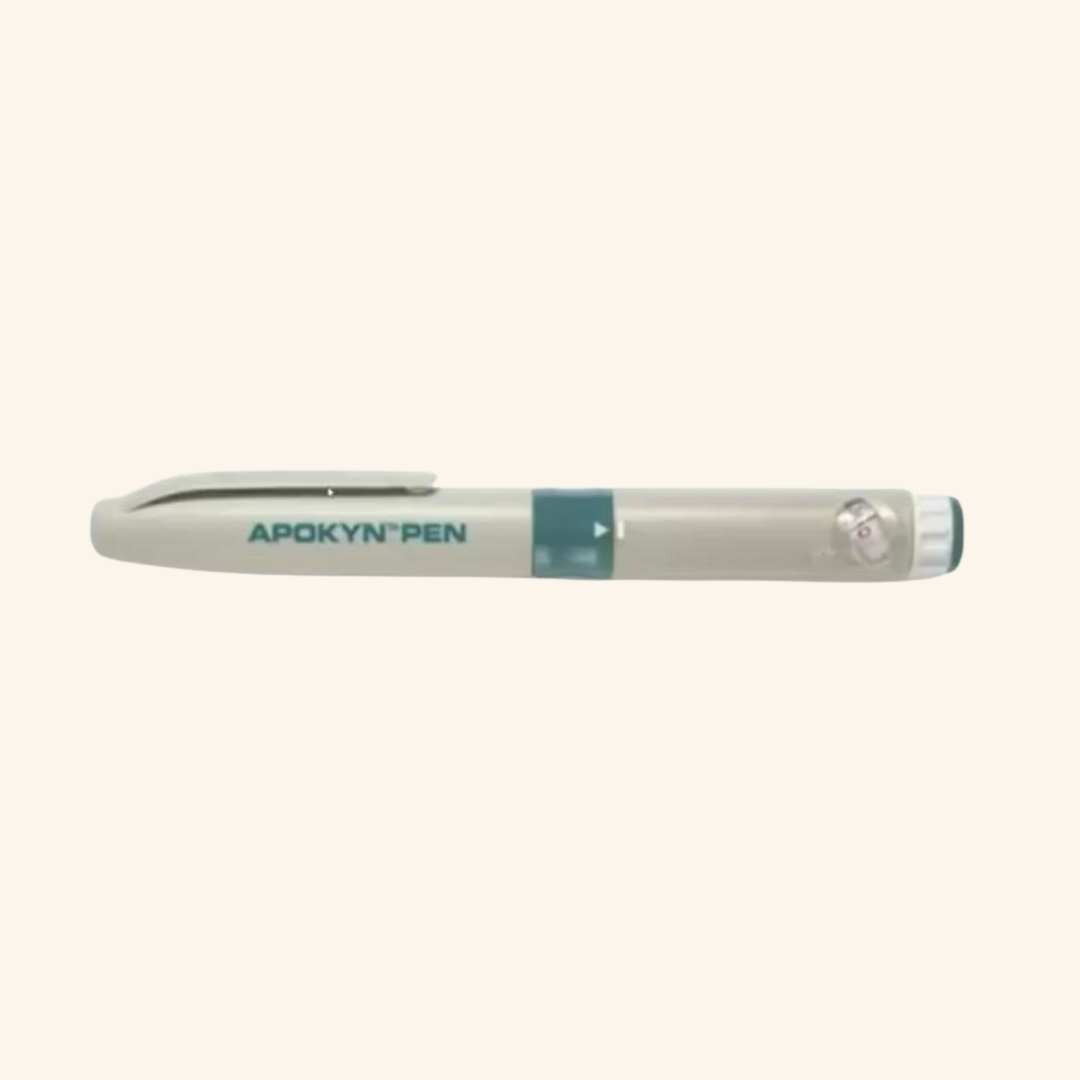
The second option, Onapko, delivers a different medication called apomorphine, which isn’t dopamine itself but mimics its effect by directly stimulating dopamine receptors in the brain. This pump is worn for 16 hours a day, not overnight, and the canula is replaced daily to keep the skin healthy. The device is similarly discreet and about the size of a large mobile phone. One of its advantages is that all set-up and dose titration can be done at home, supported by a clinical nurse navigator who provides hands-on training and follow-up care.
Onapko is useful for patients who already take oral levodopa-carbidopa but still experience frequent “off” periods. Like Viov, it bypasses the gut, which helps make symptom control more predictable. Patients can receive a steady base dose and use optional "boost" doses when needed. This therapy is not intended as a standalone treatment — it’s added on top of other medications. Though relatively new, early reports suggest good patient satisfaction. Insurance coverage, including Medicare Part B, is reportedly strong, but patients are encouraged to ask about financial assistance if needed.
Dr. Cardone explained that she typically starts considering these pump therapies when patients are taking around 1000 mg of oral levodopa per day and still experiencing fluctuations, dyskinesia, or absorption issues. She also considers pumps for patients with erratic schedules, cognitive capacity to manage devices, or difficulty remembering pills. The pumps can also be useful for people who need overnight symptom control, especially those at risk of falls when getting up to use the bathroom.
When choosing between the two, she currently has no strong preference. If a patient is doing well on levodopa but needs to skip the gut, she leans toward Viov. If someone has less benefit from oral levodopa but still needs dopamine receptor stimulation, she might try Onapko. For those who already have Deep Brain Stimulation (DBS) but still need additional help, the pumps could be added as another layer of treatment.
Both therapies are still new, and more data will come with time. But they offer fresh hope for people with Parkinson’s who are struggling with symptom control — without the need for invasive surgery. Talk to your movement disorder specialist if you’re curious about whether a pump might be right for you.
Comments (0)
Loading comments...