


From Gums to Guts to Brain: How Mouth and Gut Bacteria Might Drive Dementia in Parkinson’s
June 10, 2025
Ever thought your toothbrush and your breakfast could be affecting your brain? New research suggests they just might—especially for people with Parkinson’s Disease.
Scientists from King’s College London have uncovered a striking link between the bacteria in your mouth and gut and how Parkinson’s progresses, particularly when it comes to memory loss and dementia.
🧠 So what did they find?
In short: people with Parkinson’s who experience cognitive decline—anything from mild memory problems to full-blown dementia—have a different mix of bacteria in their saliva and stool compared to people without Parkinson’s.
And here’s the kicker: many of these “problem” bacteria in the gut actually seem to have migrated there from the mouth. Yes, your gum bugs might be gate-crashing your gut party—and causing all kinds of trouble.
🦠 Wait—mouth bacteria in the gut?
Yup. It’s called oral-gut translocation, which is a fancy way of saying bacteria that normally live in your mouth have somehow made their way to your gut—where they really shouldn’t be.
Once there, they start producing toxic molecules called virulence factors. These can inflame the gut lining, potentially spread through the body, and may even help trigger damage in the brain. In people with Parkinson’s, this appears to be linked to faster cognitive decline.
🧪 How do we know this?
Researchers looked at 228 samples of stool and saliva, comparing three groups:
People with Parkinson’s and mild memory issues
People with Parkinson’s and dementia
Healthy people with no Parkinson’s
Using powerful AI tools (because science these days is wild), they found clear differences in both the types of bacteria and what those bacteria were doing.
The harmful bacteria—especially ones thought to come from the mouth—were more common in the guts of people with worse brain symptoms. These bugs were also busy producing more virulence factors.
🤔 Cause or effect?
The scientists are careful to say they don’t yet know if the bacteria are causing the brain decline, or if changes in the body due to Parkinson’s are simply making it easier for these bacteria to grow. But either way, the link is strong—and that’s important.
🔍 What does this mean for real life?
Early warning signs: These gut and mouth changes might help doctors spot people at risk of dementia earlier—before symptoms become severe.
New treatment ideas: If bacteria and their toxins are part of the problem, we might one day be able to treat the gut to protect the brain.
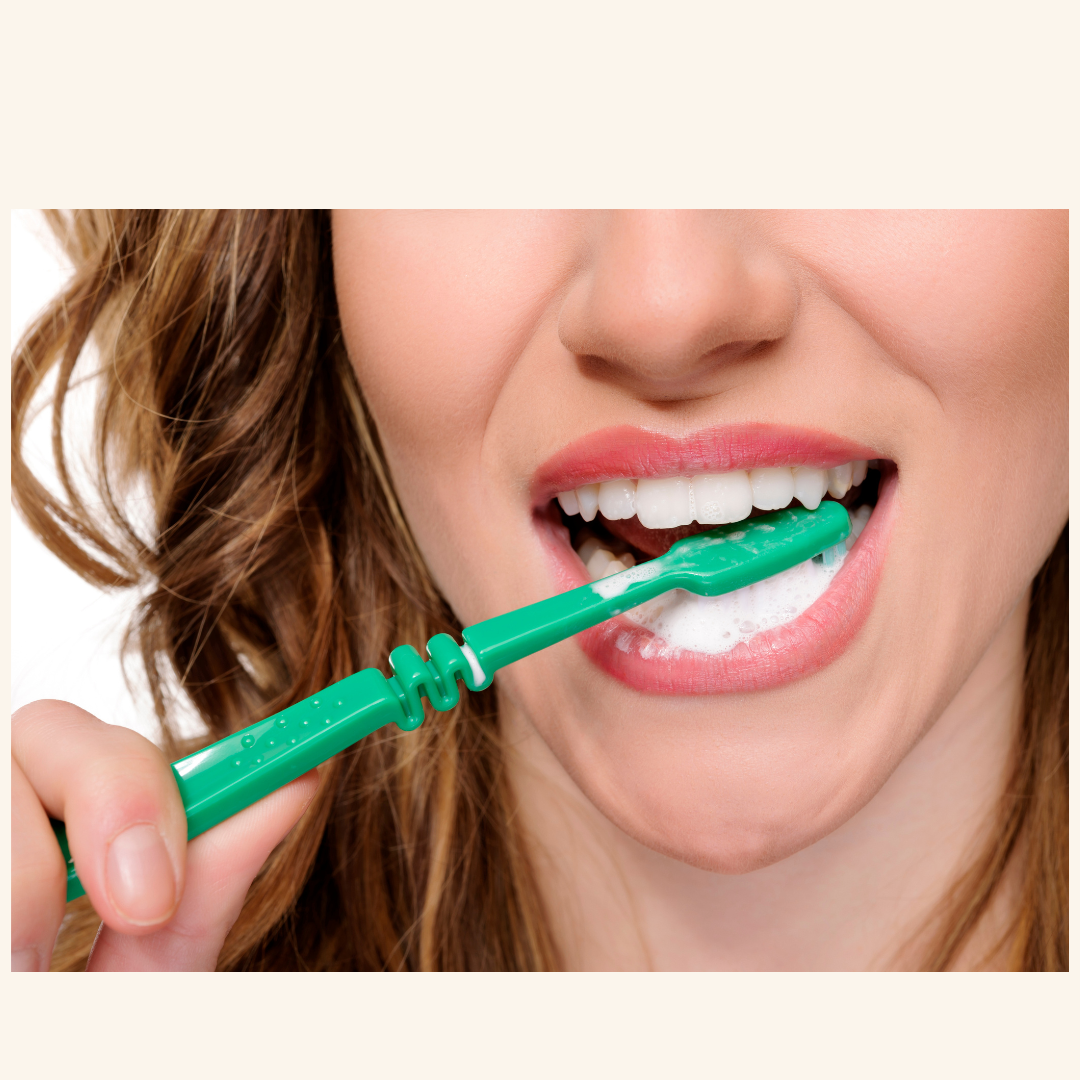
Oral hygiene matters: Yep—brushing your teeth might just help your brain. As Parkinson’s progresses, things like brushing, eating well, and looking after the gut often get overlooked. This research suggests they deserve way more attention.
🥦 So what can people with Parkinson’s do now?
While it’s early days, the message is clear:
Keep up with good oral care (brushing, flossing, dental visits)
Eat a diverse, gut-friendly diet (think fibre, fermented foods, whole plants)
Ask your healthcare team about support for nutrition and hygiene, especially as symptoms progress
🌱 Looking ahead
The researchers hope future studies will reveal whether changing the mouth and gut microbiome—through diet, probiotics, or even medication—could slow or prevent cognitive decline in Parkinson’s.
Until then, it’s one more reason to value that humble toothbrush, and maybe pass on the ultra-processed snacks. Because in Parkinson’s, as in life, what’s going on in your mouth and gut might just be shaping your mind.
Comments (0)
Loading comments...