


The new “clean-up switch” that could protect brain cells in Parkinson’s
October 4, 2025
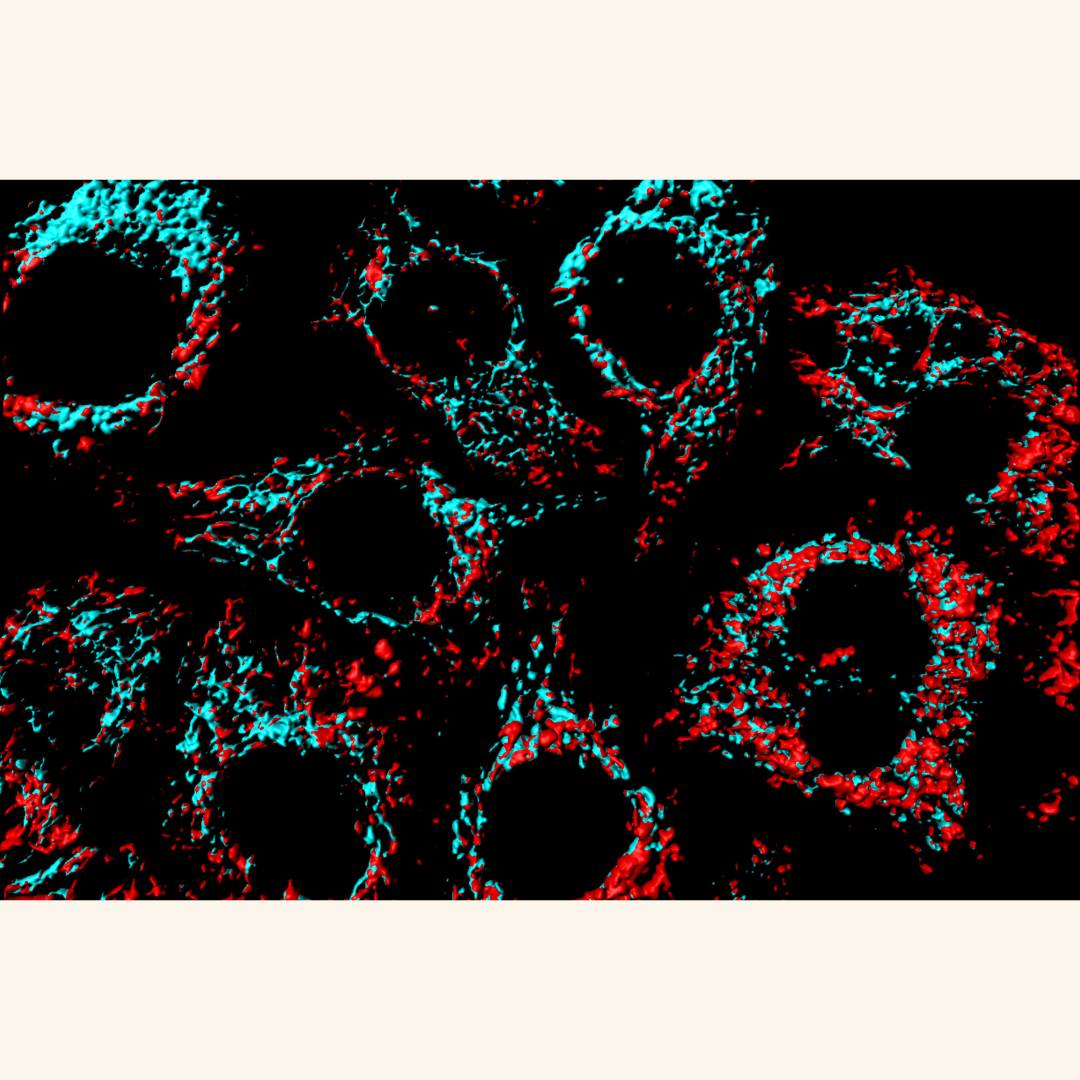
Why do dopamine-making brain cells burn out in Parkinson’s? One major culprit is broken mitochondria — the cell’s little power packs. Cells normally tidy these up through mitophagy, a recycling programme that spots damaged mitochondria and removes them before they poison the neighbourhood. A new study has identified a master control for that tidy-up: a protein complex called PP2A-B55α. Think of it as the dial that sets how strongly mitophagy turns on and how completely it runs.
The researchers showed that when mitochondria are injured, PP2A-B55α determines both the start of mitophagy (the “induction” step) and the finish (the “execution” step). It does this in concert with the Parkinson’s pathway proteins PINK1 and Parkin, which tag faulty mitochondria for removal. In simple terms, PP2A-B55α helps decide how many worn-out mitochondria get cleared and how fast that clearance proceeds. Tuning this dial improved mitochondrial quality control in lab models.
Why this matters: if future drugs can safely nudge PP2A-B55α, clinicians might boost mitophagy in vulnerable neurons, prevent the build-up of defective power packs, and reduce the stress that pushes dopamine cells toward death. Independent coverage framed it as a newly discovered “energy balance switch” with potential for Parkinson’s and other mitochondrial disorders — promising because it targets the process rather than a single gene fault.
Important caveats. This is preclinical science — not a pill you can take today. We still need to learn whether adjusting PP2A-B55α is effective and safe in living brains, what doses are needed, and who would benefit most. But as a roadmap, it is compelling: rather than chasing every damaged mitochondrion one by one, go upstream and reset the clean-up system so cells can look after themselves.
Comments (0)
Loading comments...