


Before the Tremors: How Missing B Vitamins and Gut Bugs May Trigger Parkinson’s
May 19, 2025
A study from Nagoya University in Japan, published in May 2024, has reshaped our understanding of Parkinson’s disease. Researchers found that the gut microbiome—the community of microorganisms living in our intestines—plays a crucial role in its development. Their findings suggest that B vitamin supplementation could help some patients, offering a new and practical treatment option for a condition that has long been difficult to manage.
Scientists have long suspected a gut-brain connection in Parkinson’s disease. In a study led by Hiroshi Nishiwaki, researchers analyzed fecal samples from 94 Parkinson’s patients and 73 healthy individuals in Japan. They also compared these samples with data from other countries, including China, Taiwan, Germany, and the United States.
The results revealed significant changes in the gut microbiomes of people with Parkinson’s, often appearing long before motor symptoms like tremors and stiffness. Early signs such as constipation and sleep disturbances can emerge up to 20 years before more severe symptoms develop.
B Vitamins: A Potential Protective Role
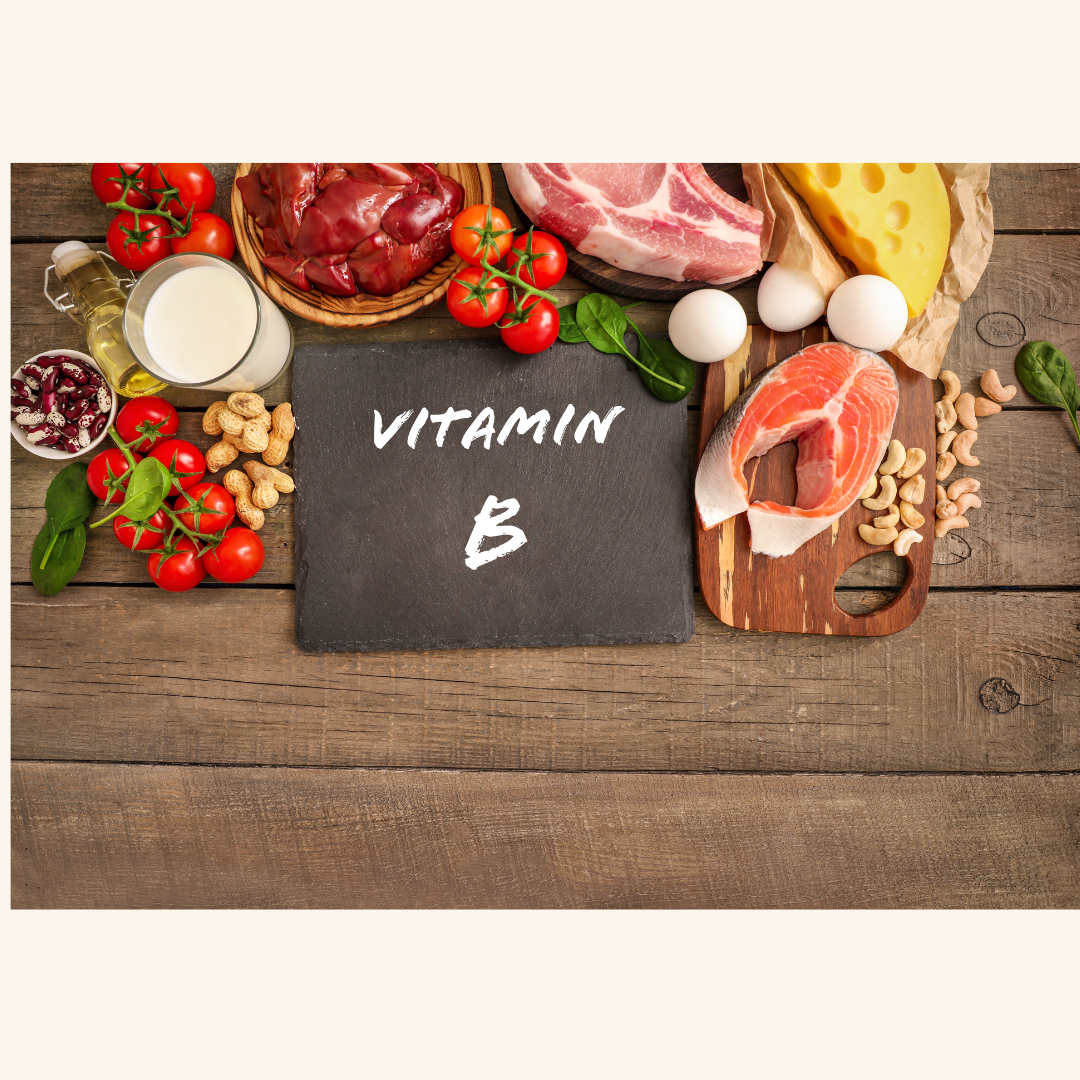
The study also found a decrease in the genes responsible for producing two essential B vitamins—riboflavin (B2) and biotin (B7)—in Parkinson’s patients. This deficiency reduces the production of key molecules that help maintain the protective mucus layer in the intestines, potentially weakening the intestinal barrier and increasing its permeability. This change may allow environmental toxins to reach the enteric nervous system, ultimately contributing to brain degeneration.
A Simple Solution for Some Patients
Supplementing with B vitamins—especially riboflavin and biotin—could benefit certain Parkinson’s patients, particularly those with gut dysbiosis. Previous research has shown that high doses of riboflavin, combined with eliminating red meat from the diet, can improve motor function in some individuals.
The research team suggests that high-dose B vitamin supplementation could prevent some of the neurological damage caused by the disease. “We could analyze gut microbiomes or fecal metabolites, identify deficiencies, and target treatment with riboflavin and biotin,” says Nishiwaki.
This approach underscores the importance of a healthy gut microbiome in both preventing and treating Parkinson’s. It also points to the need to reduce exposure to environmental toxins that may contribute to the disease.
A Personalised Approach to Parkinson’s Treatment
Not all Parkinson’s patients have the same underlying causes, which makes personalized evaluations essential. If these findings are confirmed on a larger scale, they could revolutionize the way we treat Parkinson’s. A simple intervention like B vitamin supplementation could be a game-changer for millions affected by this debilitating disease. This discovery also highlights the critical role of the gut-brain axis in neurological health.
Comments (0)
Loading comments...