


Gut Immune Cells Found to Help Parkinson’s Spread from Belly to Brain
February 12, 2026
For many people, the first signs of Parkinson’s do not appear as a tremor or stiffness, but as digestive issues like constipation. This has led to a long-standing theory that the condition might actually start in the gut before travelling to the brain. A new study published in Nature has now identified the specific "middlemen" responsible for this journey: a group of immune cells in the gut called macrophages.
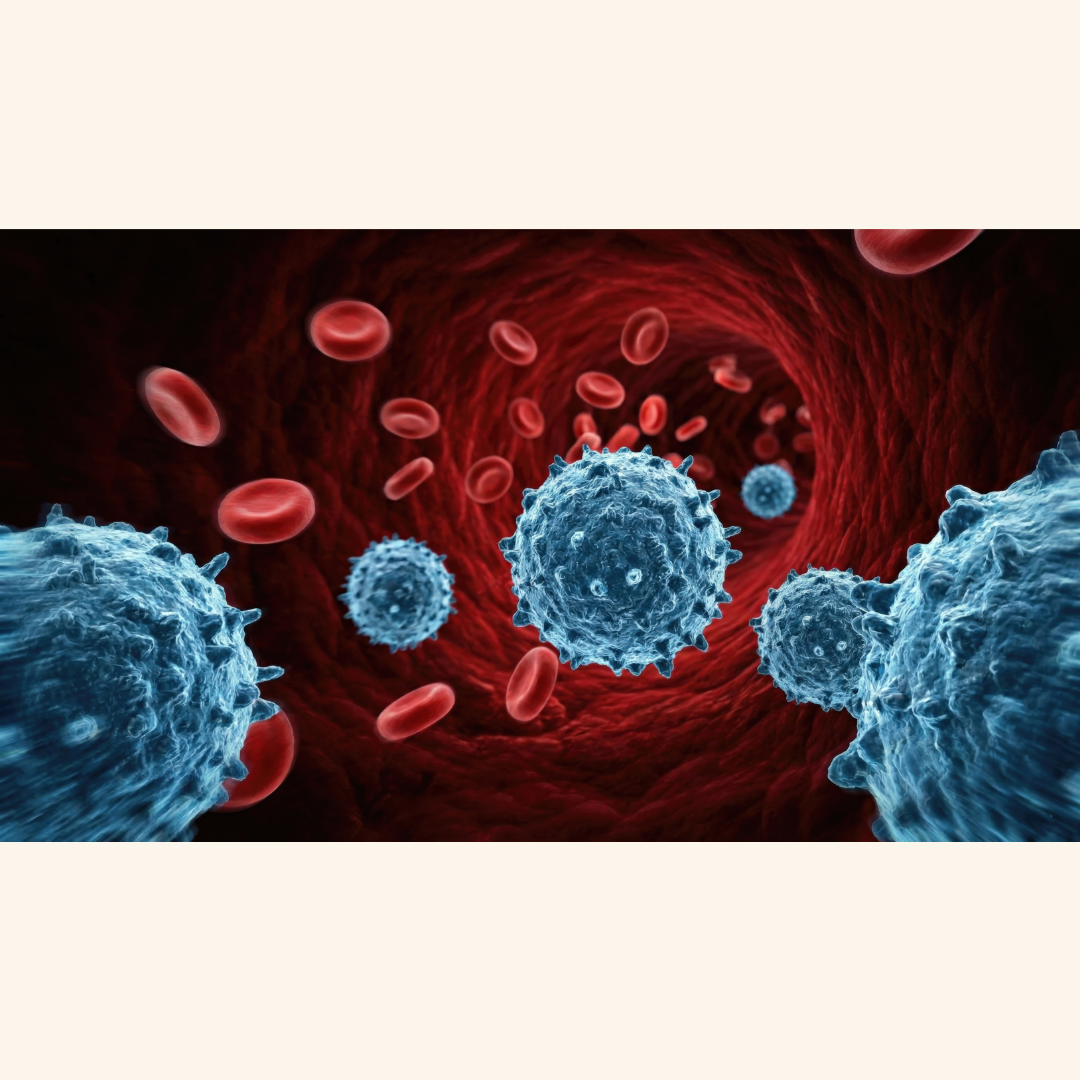
These macrophages usually act as the gut’s housekeepers. Their job is to "vacuum up" and destroy harmful invaders or waste. However, the research shows that when they encounter alpha-synuclein—the toxic protein that clumps together in the brains of people with the condition—their cleaning system becomes overwhelmed and dysfunctional.
From Housekeepers to Pathmakers
The study, led by researchers at the UK Dementia Research Institute at UCL, found that instead of simply destroying the toxic alpha-synuclein, these gut macrophages begin to signal other parts of the immune system. Specifically, they activate T cells, which are the body’s "soldier" cells.
Once these T cells are "instructed" by the gut macrophages, they leave the digestive system and travel through the body into the brain. In mouse models, the researchers observed that this immune cascade directly leads to the loss of the dopamine-producing neurons that are central to the movement symptoms of Parkinson’s.
A New Way to Intervene
One of the most significant findings of the study was what happened when these gut macrophages were removed or reduced. By depleting these specific immune cells in the gut, the scientists were able to block the spread of the toxic protein to the brain. This protected the brain’s neurons and prevented the development of motor problems.
This discovery is exciting because it suggests we could potentially stop the progression of the condition long before it reaches the brain. Since gut symptoms often appear decades before movement issues, targeting these immune cells in the digestive tract could offer a window for very early intervention.
Looking Ahead
The team is now looking at how this knowledge can be used to develop new treatments and diagnostic tools. This could include:
Early Detection: Developing blood tests that look for signs of these "gut-instructed" immune cells to diagnose the condition years earlier.
New Therapies: Creating drugs that help gut macrophages function correctly or prevent them from triggering the harmful T cell response.
While more work is needed to translate these findings from the lab to the clinic, the research shifts our focus from the brain to the body, offering a fresh perspective on how to slow or even stop the spread of the condition.
Comments (0)
Loading comments...