


Brain Stimulation Shows Promise for Parkinson’s Symptoms
October 28, 2025
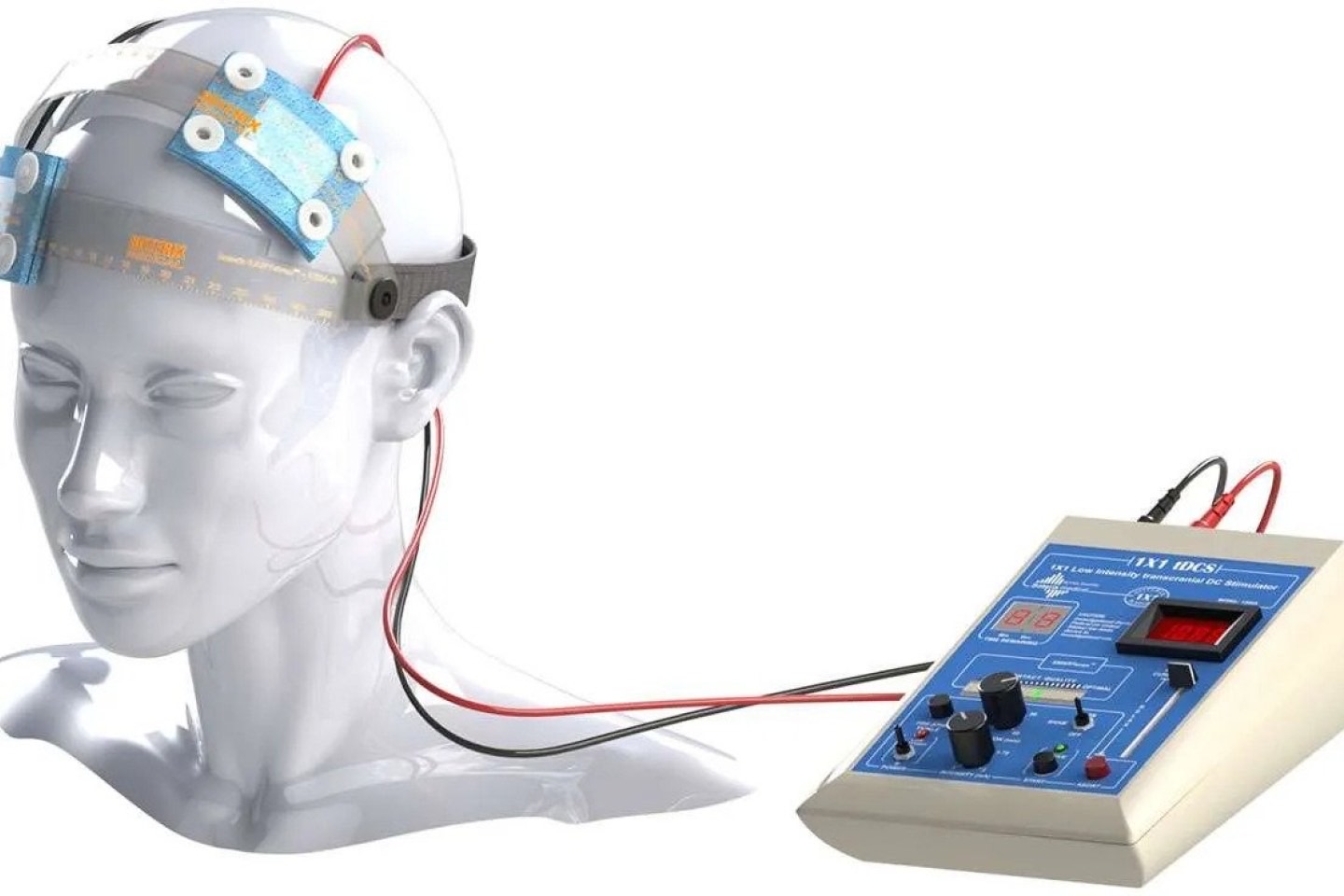
A recent wave of research has shone a spotlight on a non-invasive brain stimulation technique called transcranial direct current stimulation, or tDCS. This method delivers a very low electrical current to the brain to subtly modulate neuronal activity. Researchers have been exploring its potential to help people with Parkinson’s targeting both motor and non-motor symptoms.
One recent study focused on anodal tDCS, which specifically aims to increase activity in targeted brain regions. The trial included participants with Parkinson’s and measured how the therapy affected symptoms when patients were in the OFF-state, meaning their medication effects had worn off. The results were encouraging. Participants showed noticeable improvements in bradykinesia, the slowness of movement that is a hallmark of Parkinson’s, as well as reductions in tremor and better gait control. Non-motor symptoms also saw benefits, including mood and cognitive function improvements, suggesting that tDCS may have a broader impact beyond movement.
Other studies reinforce these findings. A 2025 study in Frontiers in Aging Neuroscience looked at how tDCS could enhance cognitive abilities in people with Parkinson’s. Patients experienced immediate improvements in executive function, attention, language, and memory after sessions, highlighting tDCS as a potential tool to tackle cognitive deficits associated with the disease. Another 2025 trial, published in Pain Practice, examined whether tDCS could reduce pain in Parkinson’s patients. Using a randomised controlled crossover design, researchers found that participants reported significantly less pain during the OFF-state, showing that the therapy might also provide relief from one of the more disruptive non-motor symptoms.
Together, these studies suggest that tDCS could offer multiple benefits for people living with Parkinson’s, from improved motor function to better cognition and reduced pain. It appears especially promising during periods when medications are less effective, potentially giving patients a more consistent quality of life.
However, tDCS is still primarily a research tool. Its use outside of clinical trials is limited. Most evidence comes from specialised studies conducted at academic or medical centres, where the therapy is carefully monitored. Some commercially available devices claim to deliver tDCS at home, but their safety and effectiveness for Parkinson’s have not been conclusively established. Doctors caution that home use should be approached with care and always under professional guidance. Regulatory authorities such as the FDA or EMA have not yet approved tDCS for the treatment of Parkinson’s disease, meaning that its clinical use remains experimental.
For people with Parkinson’s interested in trying tDCS, the safest path is to participate in a clinical trial or consult with a neurologist familiar with the therapy. Doctors can advise on potential benefits, risks, and whether a patient’s particular symptoms might respond well.
Comments (0)
Loading comments...