


Kenai doses first patient in Phase I trial of cell therapy for Parkinson’s
December 17, 2025
For decades, the standard approach to Parkinson's has been somewhat like trying to squeeze the last few drops of juice out of a drying lemon. We use drugs to push the remaining brain cells to work harder, but we haven't really been able to replace the ones we have lost. That narrative took a significant step towards changing this week with a major announcement from Kenai Therapeutics, a biotech company that has officially started testing a new way to restock the brain's inventory.
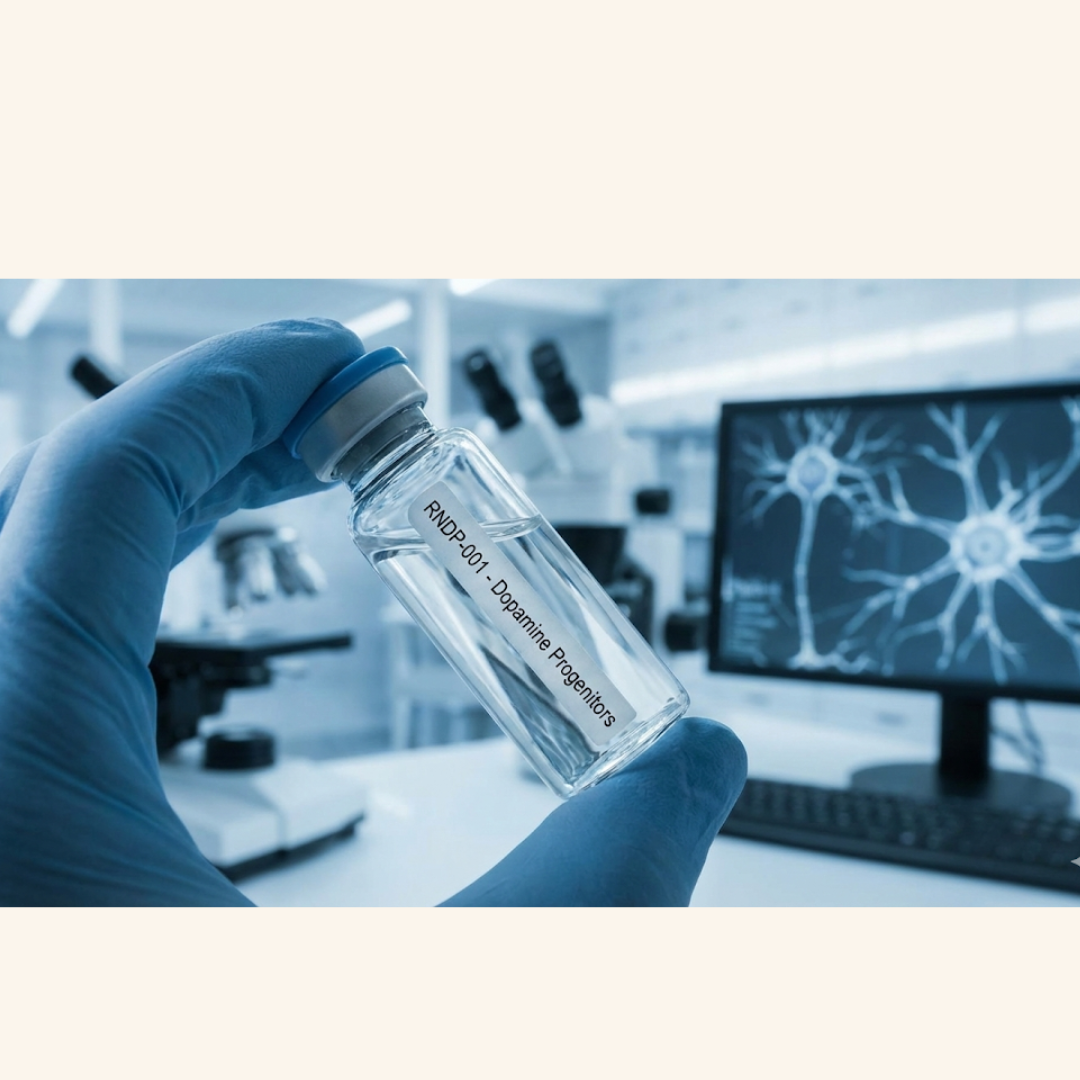
They have successfully dosed the first participant in their Phase I "REPLACE" trial, marking the beginning of a study that feels less like medicine and more like science fiction. The therapy, known as RNDP-001, involves surgically implanting healthy, dopamine-producing neurons directly into the brain. These aren't just any cells; they are "off-the-shelf" dopamine progenitors. This is a crucial distinction because it means the cells are manufactured in a lab to be ready for anyone, rather than the slow, prohibitively expensive process of growing them from a specific individual's own skin or blood cells.
The logic here is refreshingly simple. If the engine is missing parts, put new parts in. Unlike Levodopa, which simply provides the fuel for the remaining cells, this therapy aims to physically replace the dying neurons and repair the damaged circuits responsible for motor control. It is designed specifically for those with moderate to severe Parkinson's, aiming to restore function and rebuild the network rather than just masking the decline.
Of course, this is science, not magic, and patience is still the most important tool in our kit. This is a Phase I trial, which means the primary goal right now is to ensure safety and tolerability. However, the company expects to have initial data on how well it works—and potentially images of the new cells actually surviving and functioning in the brain—by 2026. It is a bold step forward in the field of regenerative medicine, moving us closer to a future where we don't just manage the loss, but actually fix it.
Comments (0)
Loading comments...