


The Impact of Diet on Parkinson's Disease
September 30, 2024
Recent research suggests that diet could play an important role in PD—impacting its risk, progression, and symptom management. However, understanding the relationship between dietary factors and PD remains a challenge. This article summarizes findings from a comprehensive review of studies examining how diet influences PD.
Key Findings on Diet and PD Risk
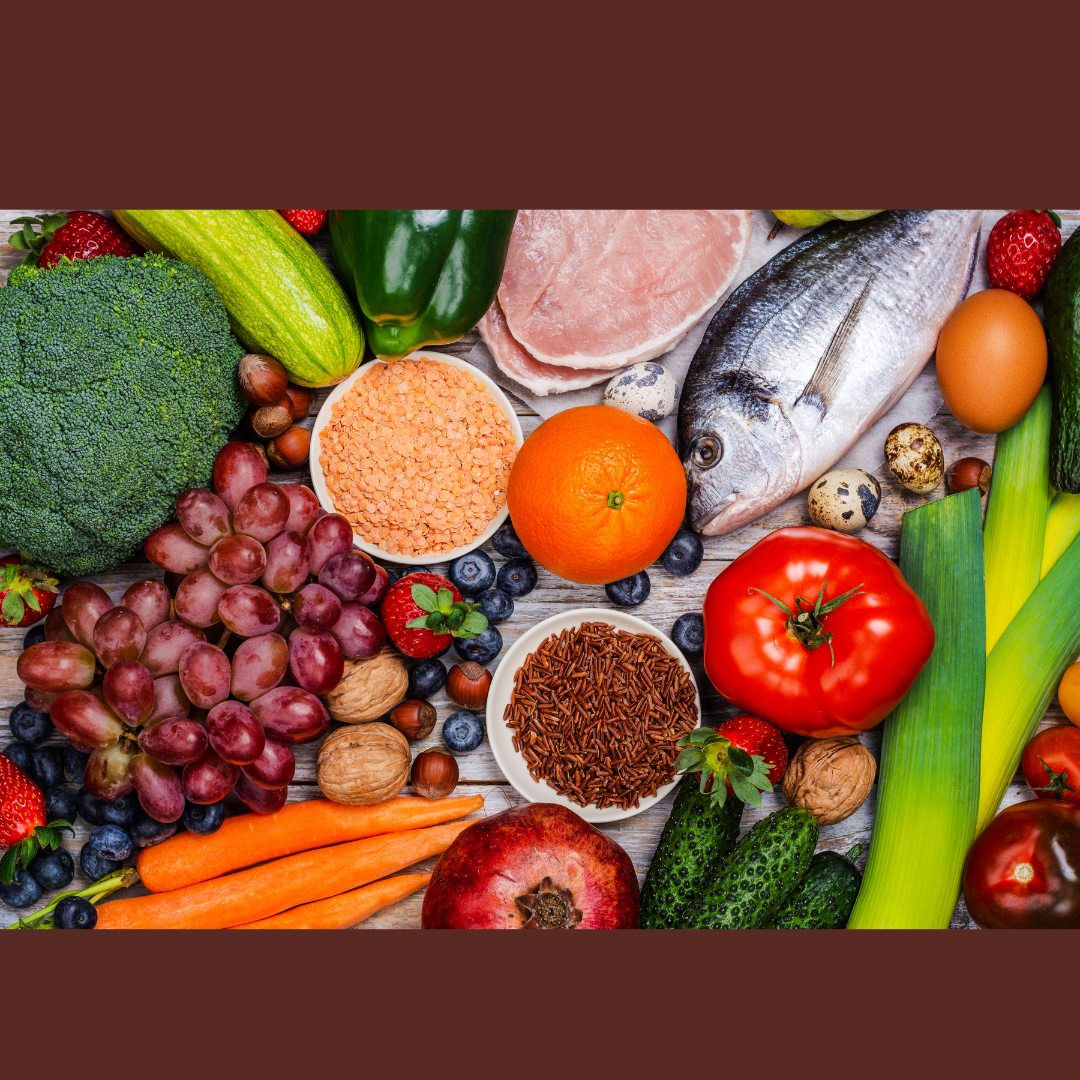
Several studies suggest that healthy dietary patterns, such as the Mediterranean diet, which is rich in fruits, vegetables, whole grains, and fish, are linked to a lower risk of developing PD. On the other hand, Western diets high in processed foods and red meat may increase PD risk. Specific nutrients like vitamins C and K, known for their antioxidant properties, may have protective effects, while higher iron intake was associated with increased PD risk.
Diet and PD Progression
Research also shows that diet quality can influence how PD progresses, particularly in managing non-motor symptoms like constipation. The Mediterranean diet, in particular, was linked to improvements in gut health and motor symptoms in patients. Additionally, small-scale studies on specialized diets like ketogenic and low-carbohydrate diets show promise in helping to manage PD symptoms.
Emerging Role of the Gut Microbiome
Recent evidence highlights the gut-brain connection in PD. Diets high in fiber, for example, are associated with beneficial gut bacteria that may protect against PD progression. This area of research is still growing, but it could open new avenues for dietary interventions aimed at managing PD.
Conclusion
The review highlights that diet has the potential to serve as a complementary approach to existing PD treatments. While there is compelling evidence for the benefits of healthy dietary patterns and certain nutrients, more research, particularly long-term studies, is needed to develop personalized dietary recommendations for preventing and managing Parkinson's disease.
Comments (0)
Loading comments...