


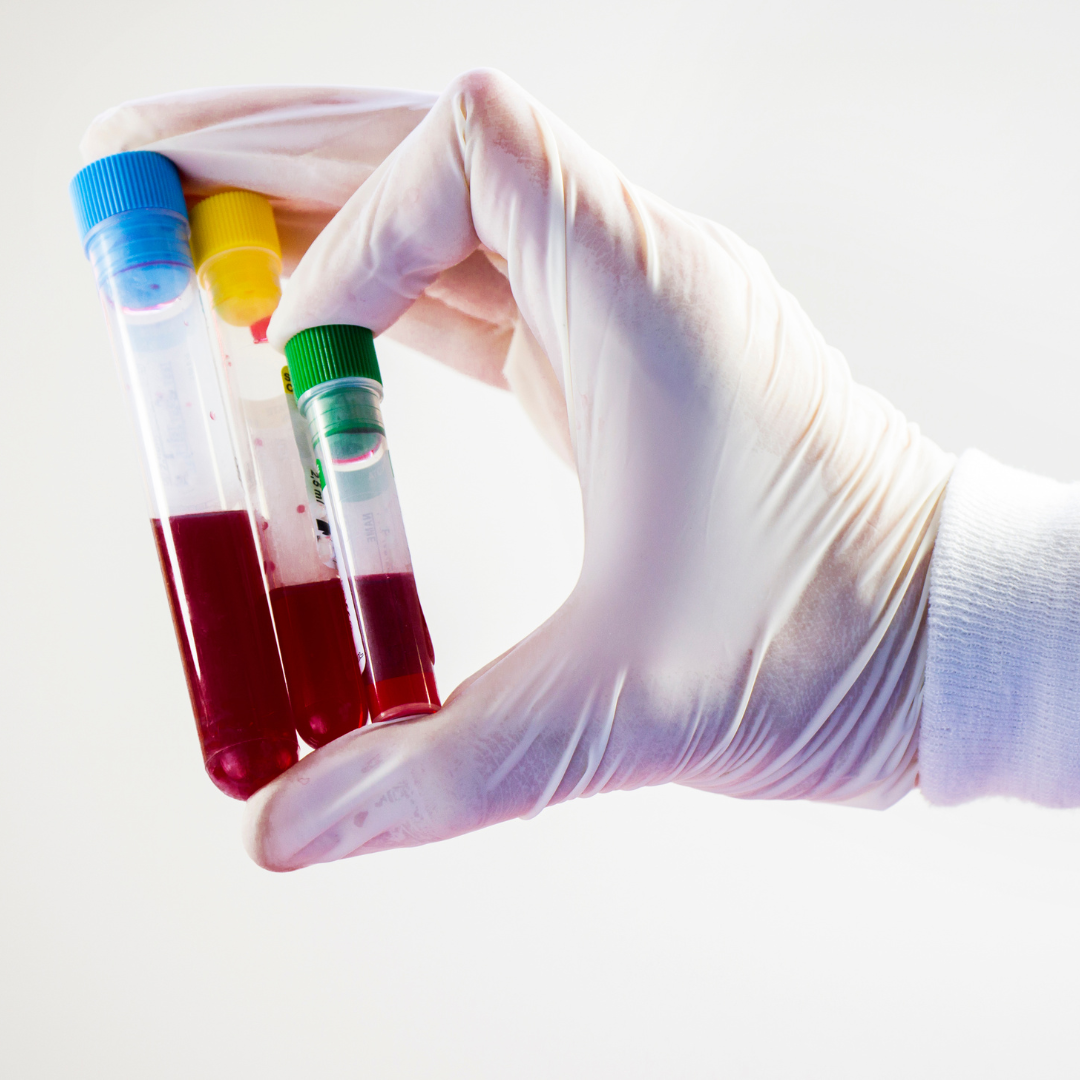
Tracking proteins in repeated blood tests uncovers hidden biological pathways and why routine blood work is vital for tracking Parkinson's progression
November 4, 2026
 Beatrice
Researchers at the Medical University of Graz demonstrated in October 2026 that regular blood tests can reveal hidden biological shifts driving symptom changes in Parkinson's.
If you live with Parkinson's, you already know that a standard clinic visit usually involves a quick chat and a few physical exercises like tapping your fingers or walking down a corridor. Right now, regular blood tests are not a required part of routine care, and even in research, scientists usually only take a single blood sample on the day of diagnosis. Yet trying to understand a changing condition from one blood test is like trying to understand a whole film from a single photograph.
A study published the Medical University of Graz in Austria offers a strong argument for why routine blood testing needs to become part of the picture. They followed 166 people with the condition over several years, taking blood samples and checking symptoms every 12 to 18 months. By looking at 297 different proteins in the blood over time, they proved that repeated blood work can spot biological changes happening beneath the surface that a physical check up alone cannot see.
The most exciting discovery is that Parkinson's does not follow one single biological path. Instead, different symptoms leave completely different footprints in the blood. First, the researchers looked at medication needs. As people needed higher doses of levodopa over time, a protein called DDC rose in their blood. DDC is the helper enzyme that turns levodopa into usable dopamine. Because blood levels of DDC rise alongside medication doses, tracking it in the blood could act as a useful gauge of how your body is processing your daily treatment.
When the team separated out the effects of medication, they found that different types of progression are tied to distinct systems in the body. For people who found everyday tasks like dressing or eating becoming harder, blood levels of two proteins called CD276 and periostin went up, pointing to shifts in the immune system and how body tissues repair themselves.
When doctors saw physical movement slowing down during clinic exams, two other proteins called IL19 and VEGF C increased. IL19 is a calming protein that tries to cool down inflammation, suggesting the body is actively fighting back against progression. Meanwhile, VEGF C helps maintain blood vessels and the brain's waste drainage system. If the brain's plumbing slows down, unwanted proteins can build up, showing that blood vessel health and waste clearance are closely tied to physical movement. Finally, in a smaller group of 39 people who experienced memory and thinking changes, an inflammatory protein called IL12 crept up, linking targeted inflammation to cognitive health.
While these specific 297 protein panels are currently laboratory research tools rather than tests your local GP can order tomorrow, this study gives you a very practical foundation for your next neurology or GP appointment. Because routine blood work is often overlooked in care, many people go years without having their basic blood markers checked.
You can bring this research up with your doctor to start a proactive conversation about monitoring your internal health over time. Even without experimental protein panels, you can ask your doctor for an annual blood test to track general inflammation, cardiovascular and blood vessel health, and vital nutrients like vitamin B12, vitamin D, and homocysteine, which can be affected by levodopa. Tracking your own baseline blood results year after year applies the exact same logic as the Austrian study. You can also ask your specialist how you can look after your body's natural waste clearance and immune systems today, as good sleep, hydration, and regular movement all help the brain's drainage plumbing work better. By pushing for regular blood monitoring alongside your physical check ups, you and your doctor can stop looking at isolated snapshots and start managing the whole story of your health.
Comments (0)
Loading comments...