


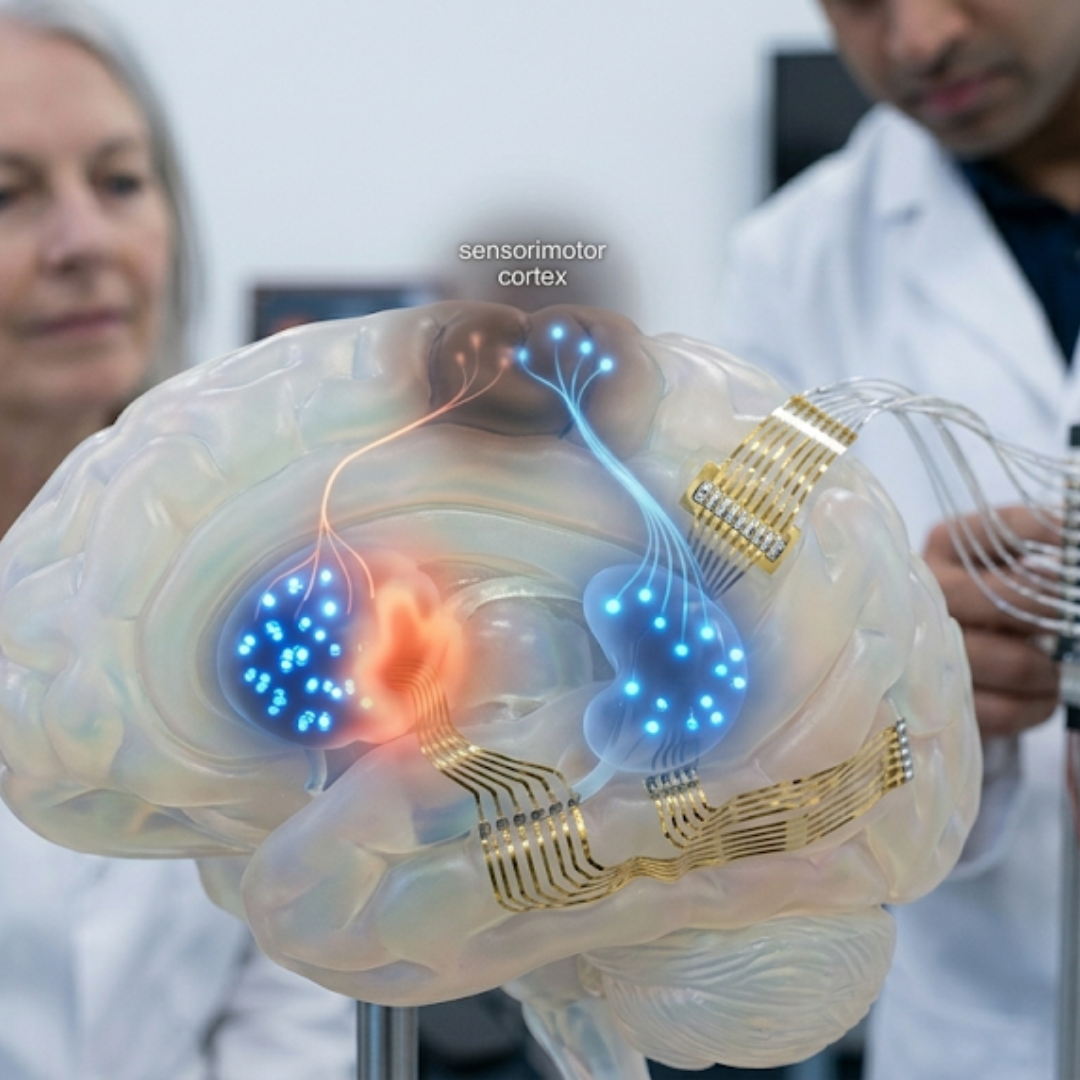
Dapansutrile: New Phase 2 Trial Tests Drug to Stop Brain Inflammation
April 14, 2026
In the quest to stop Parkinson’s in its tracks, researchers are increasingly looking at "inflammation" as a primary culprit. A major milestone has just been reached in this field: the DAPA-PD Phase 2 clinical trial is officially underway, testing a promising drug called dapansutrile.
Supported by Cure Parkinson’s and the Van Andel Institute, this trial is exploring whether we can slow down the progression of Parkinson's by "putting out the fire" in the brain.
What is Dapansutrile?
Dapansutrile is a specialized anti-inflammatory drug. Unlike common painkillers like ibuprofen, it is highly specific. It targets a protein complex called the NLRP3 inflammasome.
Think of the NLRP3 inflammasome as a "smoke detector" inside your immune cells. In a healthy body, it detects threats like bacteria or viruses and triggers an inflammatory response to fight them off. However, in Parkinson’s, this "smoke detector" seems to be stuck in the 'ON' position, causing chronic, low-level inflammation that slowly damages healthy nerve cells.
The Science: Breaking the Cycle
The theory behind DAPA-PD is that by blocking the NLRP3 inflammasome, dapansutrile can stop the release of harmful chemicals (cytokines) that lead to cell death.
In earlier laboratory studies, blocking this specific pathway prevented the loss of dopamine-producing neurons. Now, the Phase 2 trial—led by Professor Thomas Foltynie and his team at University College London (UCL)—aims to see if the same protective effect happens in humans.
How the Trial Works
The DAPA-PD study is a "double-blind, placebo-controlled" trial. This is the gold standard of clinical research:
Participants: 48 people with Parkinson’s are being recruited.
The Process: Some will receive the active dapansutrile tablets, while others will receive a placebo (a dummy pill).
The Goal: Over several months, researchers will use advanced brain imaging and clinical assessments to see if the drug is safe and if it effectively reduces brain inflammation.
Why This is a Big Deal for the Community
Most current Parkinson’s treatments are "symptomatic," meaning they help with the tremors or stiffness but don't stop the condition from getting worse. Dapansutrile is different because it is a disease-modifying candidate. If successful, it wouldn't just mask the symptoms; it would protect the brain from further damage.
Furthermore, dapansutrile has already been tested in human trials for other conditions (like gout), which means we already know a lot about its safety profile. This often helps speed up the regulatory process if the results are positive.
A Step Toward the Future
The launch of DAPA-PD represents a shift toward "Precision Medicine" in Parkinson’s care. By targeting a specific biological pathway—the NLRP3 inflammasome—scientists are moving away from a one-size-fits-all approach and toward therapies that address the underlying biology of the condition.
As Cure Parkinson's notes, this trial is part of a wider international effort to find treatments that can slow, stop, or reverse Parkinson’s. While we must wait for the data, the start of this Phase 2 trial is a significant beacon of hope for everyone following the research.
Comments (0)
Loading comments...