


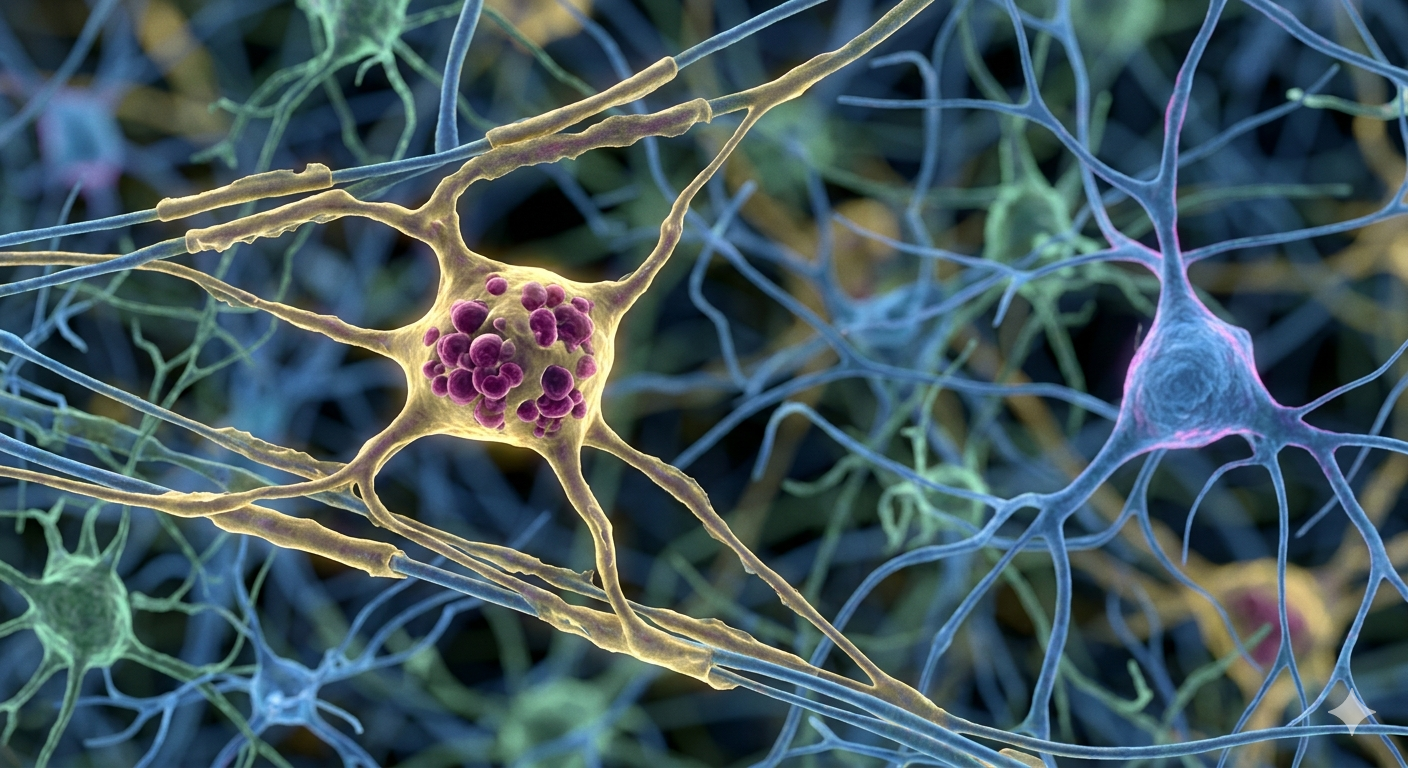
DNAJC6 Gene Mutations and the Vital Role of Support Cells in Parkinson's
April 6, 2026
Recent research has cast a new light on how Parkinson's develops at a cellular level, moving focus away from neurons alone and towards the supporting cast of the brain. A significant study has identified that mutations in a gene called DNAJC6 are a major player in the progression of the condition. This gene is responsible for creating a protein called auxilin, which acts like a logistical manager inside our cells, helping to move and recycle essential materials.
When this gene doesn’t work properly, the cell’s internal recycling system—known as the endolysosomal pathway—begins to fail. Think of this system as the cell’s waste disposal and refurbishment centre. In people with these specific genetic mutations, the "rubbish" begins to pile up. Specifically, a protein called alpha-synuclein, which is closely linked to Parkinson's, isn't cleared away effectively. Instead, it clumps together, creating stress and eventually leading to the breakdown of vital cell functions.
One of the most intriguing reveals of this study is the role of oligodendrocytes. For a long time, these cells were seen as the background crew of the brain, primarily responsible for wrapping nerves in a protective coating called myelin. However, the research shows that DNAJC6 mutations also disrupt the recycling centres within these specialist cells. When oligodendrocytes struggle, they can’t maintain the healthy insulation nerves need to function, and they stop sending out the protective signals that keep neurons alive.
This shift in understanding is vital because it suggests that Parkinson's isn't just a condition of the "wiring" (the neurons), but also of the "insulation" and the surrounding maintenance team. The damage to these supporting cells appears to happen quite early, sometimes long before the physical tremors or stiffness usually associated with the condition become obvious.
By identifying these specific cellular traffic jams, scientists are opening up new doors for treatments. Instead of just managing symptoms, future therapies might focus on "greasing the wheels" of the cell's recycling system or finding ways to support the oligodendrocytes. This research moves us closer to a more complete picture of the brain's internal environment, offering hope for interventions that can protect the whole neural community rather than just one part of it.
Comments (0)
Loading comments...